


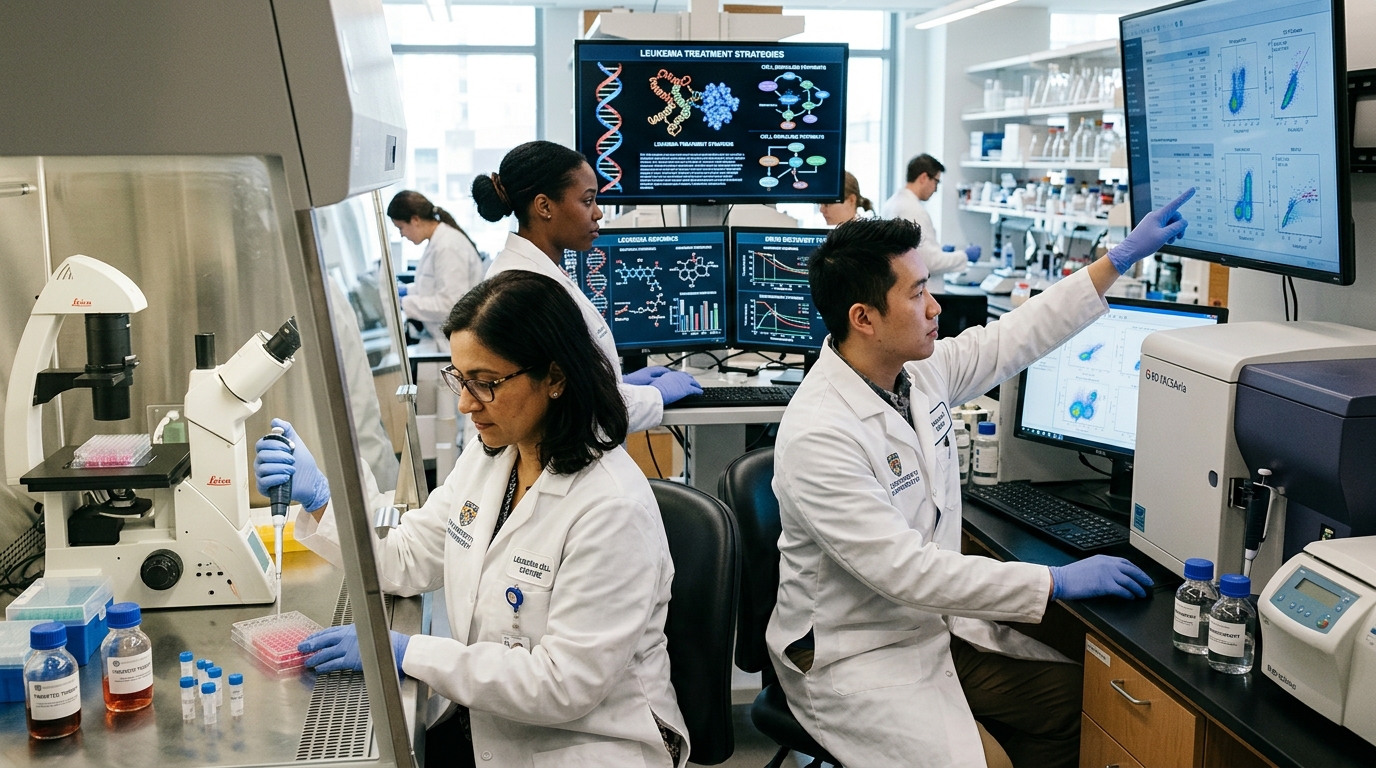
A cancer diagnosis brings immense uncertainty, but understanding your options provides immediate clarity. Advanced Leukemia Treatment Strategies are evolving rapidly, offering patients better survival rates and a higher quality of life. This guide explores everything you need to know about navigating your unique medical journey.
This comprehensive guide breaks down modern Leukemia Treatment Strategies, evaluating how different medical therapies actively target cancer cells. You will discover actionable insights on chemotherapy, immunotherapy, stem cell transplants, and emerging targeted therapies. By understanding these options, you and your medical team can build a personalized, highly effective approach to achieving long-term remission.
Understanding Modern Leukemia Treatment Strategies
Leukemia is a complex cancer that originates in the blood-forming tissues, including the bone marrow and the lymphatic system. Because it affects the blood, it behaves differently than solid tumors, requiring highly specialized medical approaches. Over the past few decades, Leukemia Treatment Strategies have shifted from broad, systemic approaches to highly personalized regimens tailored to your specific genetic makeup.
Your medical team will recommend specific Leukemia Treatment Strategies based on the exact type of leukemia you have. The four primary classifications include Acute Myeloid Leukemia (AML), Chronic Myeloid Leukemia (CML), Acute Lymphoblastic Leukemia (ALL), and Chronic Lymphocytic Leukemia (CLL). Acute leukemias progress rapidly and require aggressive, immediate intervention. Chronic leukemias develop much more slowly, allowing for a different pace and style of management.
Age, overall health, and specific genetic mutations found within your cancer cells also dictate which Leukemia Treatment Strategies will yield the best outcomes. By analyzing your cellular DNA, oncologists can predict which medications your body will respond to most favorably. This precision medicine approach ensures you receive the maximum benefit from your treatment while minimizing unnecessary side effects. We will explore exactly how these distinct Leukemia Treatment Strategies work to help you achieve remission.
Core Leukemia Treatment Strategies: Chemotherapy

Chemotherapy remains the foundational pillar of most Leukemia Treatment Strategies. It uses powerful chemicals to destroy rapidly dividing cancer cells throughout your entire body. While it is highly effective, it also affects healthy dividing cells, which leads to well-known side effects like hair loss, nausea, and fatigue.
For acute leukemias, Chemotherapy is typically administered in three distinct phases to ensure no cancer cells are left behind.
The Induction Phase
The primary goal of the induction phase is to clear the blood and bone marrow of leukemia cells as quickly as possible. This brings the disease into remission. During this intensive phase, you will likely stay in the hospital so your medical team can closely monitor your blood counts and manage any immediate side effects. Induction involves high doses of medications, usually a combination of an anthracycline drug and cytarabine, delivered directly into your bloodstream.
The Consolidation Phase
Once you achieve remission, your Leukemia Treatment Strategies shift into the consolidation phase. Even if tests show no signs of leukemia, microscopic cancer cells may still hide in your body. Consolidation therapy uses different drugs or different doses of the same drugs to eliminate these hidden cells and prevent a relapse. This phase is critical for securing long-term health.
The Maintenance Phase
Maintenance therapy involves taking lower doses of Chemotherapy drugs over an extended period, sometimes lasting years. This ongoing approach keeps the cancer from returning. Not all types of leukemia require maintenance therapy, but it is highly common in the management of Acute Lymphoblastic Leukemia (ALL).
While traditional Chemotherapy can be taxing on the human body, modern Leukemia Treatment Strategies have vastly improved the delivery methods. Oncologists now utilize lower-dose strategies that are much more tolerable for older adults or individuals with heart conditions, ensuring they still receive effective care without overwhelming their physical systems.
Targeted Therapy as Precision Leukemia Treatment Strategies
Unlike traditional systemic drugs that attack all rapidly dividing cells, Targeted Therapy focuses on specific genetic abnormalities within the leukemia cells themselves. Because these medications zero in on the exact mechanisms that allow cancer cells to grow and survive, they often cause fewer side effects than conventional treatments. Integrating Targeted Therapy into Leukemia Treatment Strategies has drastically changed the prognosis for many patients.
Tyrosine Kinase Inhibitors (TKIs)
For patients with Chronic Myeloid Leukemia (CML), the discovery of Tyrosine Kinase Inhibitors revolutionized care. Most CML cells contain an abnormal gene called BCR-ABL, which produces a protein that signals the leukemia cells to multiply out of control. TKIs actively block this signal. Medications in this class have turned a once-fatal disease into a manageable chronic condition, allowing many patients to live a normal lifespan.
Genetic Mutation Inhibitors
Advanced Leukemia Treatment Strategies now include testing your bone marrow for specific DNA mutations. For instance, if you have Acute Myeloid Leukemia (AML), your doctor will check for FLT3, IDH1, or IDH2 mutations. If these mutations are present, your doctor can prescribe oral medications that specifically target those flawed genes. These drugs can be used alone or combined with standard therapies to dramatically improve your chances of achieving full remission.
STAMP Inhibitors
A recent breakthrough in Leukemia Treatment Strategies involves STAMP inhibitors. These drugs target the leukemia cells in a completely different physical location on the protein structure than traditional TKIs. This is particularly vital for patients whose cancer has developed resistance to older medications. By continuously researching how cancer cells mutate, science keeps finding new ways to outsmart the disease.
Immunotherapy and CAR T Cell Therapy Innovations

Harnessing the power of your own immune system represents one of the most exciting frontiers in Leukemia Treatment Strategies. Immunotherapy trains your body to recognize and destroy cancer cells naturally. Because leukemia cells are excellent at hiding from the immune system, these therapies strip away their camouflage.
Monoclonal Antibodies
These are laboratory-produced molecules engineered to serve as substitute antibodies that restore, enhance, or mimic your immune system’s attack on cancer cells. They bind to specific proteins on the surface of leukemia cells, marking them so your immune system can find and destroy them. Some monoclonal antibodies carry radioactive substances or toxins directly to the cancer cell, delivering a lethal dose of medicine right where it is needed most.
Bispecific T-cell Engagers (BiTEs)
BiTEs are a fascinating addition to modern Leukemia Treatment Strategies. These drugs act as a physical bridge, grabbing hold of a leukemia cell with one arm and a healthy immune T-cell with the other. By forcing the immune cell directly into contact with the cancer cell, BiTEs trigger an immediate, targeted immune attack. This approach shows incredible promise in treating aggressive forms of leukemia.
The Power of CAR T Cell Therapy
CAR T Cell Therapy is a highly personalized, revolutionary treatment. Doctors extract your own T-cells from your blood and send them to a laboratory. There, scientists genetically reprogram these cells to produce special receptors called chimeric antigen receptors (CARs). Once these supercharged cells are multiplied by the millions, they are infused back into your body. The newly added receptors allow the T-cells to aggressively hunt down and eradicate leukemia cells. CAR T Cell Therapy is currently a crucial component of Leukemia Treatment Strategies for certain types of relapsed or treatment-resistant cases.
Integrating Stem Cell and Bone Marrow Transplants
When discussing comprehensive Leukemia Treatment Strategies, a Stem Cell Transplant (often referred to as a bone marrow transplant) is frequently considered a potential cure for aggressive leukemias. This procedure replaces diseased, cancerous bone marrow with healthy stem cells that will grow into new, disease-free marrow.
Conditioning Regimens
Before a transplant can occur, you must undergo a conditioning regimen. This involves receiving extremely high, intense doses of medical therapy to completely wipe out your existing bone marrow and suppress your immune system so it will not reject the new donor cells. This clears the physical space needed for the new stem cells to take root and flourish.
Allogeneic vs. Autologous Transplants
The most common approach in Leukemia Treatment Strategies is an allogeneic transplant, which uses stem cells from a matched healthy donor. The donor could be a family member or an unrelated volunteer from a national registry. The incredible benefit of an allogeneic transplant is the “graft-versus-leukemia” effect, where the new donor immune system recognizes any remaining leukemia cells as foreign and attacks them. An autologous transplant uses your own healthy stem cells, collected during a period of remission, though this is less common for leukemia than for other blood cancers.
While a Stem Cell Transplant offers a chance at a definitive cure, it carries significant physical risks. Therefore, your medical team will carefully evaluate your age, disease stage, and overall health before recommending this as part of your Leukemia Treatment Strategies.
Integrating Radiation Therapy into Leukemia Treatment Strategies
Although it is not usually the primary treatment, Radiation Therapy plays a specific, strategic role in comprehensive Leukemia Treatment Strategies. Radiation utilizes high-energy beams, similar to X-rays, to destroy cancer cells and shrink tumors.
In leukemia management, radiation is rarely used across the whole body unless you are preparing for a transplant. Instead, oncologists use it to target localized areas where leukemia cells have accumulated. For example, if leukemia cells gather in your brain, spinal fluid, or testicles, targeted radiation can eliminate them. Furthermore, radiation is sometimes used to ease severe bone pain caused by the expansion of leukemia cells within the marrow cavity. By integrating radiation thoughtfully, doctors can address specific complications that other therapies might miss.
Leukemia Treatment Strategies Comparison Table
To better understand how these modalities differ, review this breakdown of core Leukemia Treatment Strategies:
|
Treatment Type |
Primary Mechanism of Action |
Common Use Case |
Key Advantage |
|---|---|---|---|
|
Chemotherapy |
Destroys all rapidly dividing cells in the body |
Primary treatment for acute leukemias |
Highly effective at rapid disease reduction |
|
Targeted Therapy |
Blocks specific mutated genes driving cancer growth |
CML, FLT3/IDH mutated AML |
Fewer systemic side effects than chemo |
|
Immunotherapy |
Enhances the body’s natural immune response |
Relapsed ALL, treatment-resistant cases |
Creates long-lasting immune memory |
|
Stem Cell Transplant |
Replaces diseased bone marrow with healthy cells |
High-risk leukemias, post-remission |
Offers a potential permanent cure |
Nutritional Support During Leukemia Treatment Strategies
Medical interventions are only one part of successful Leukemia Treatment Strategies. What you put into your body on a daily basis drastically impacts how well you tolerate aggressive therapies. A specialized leukemia diet provides the raw materials your body needs to repair healthy cells damaged during your treatment phases.
Focus on consuming high-quality proteins like poultry, fish, eggs, and legumes. Protein is strictly required for cellular repair and rebuilding a battered immune system. You must also incorporate an abundance of antioxidants through vibrant vegetables and fruits. Berries, leafy greens, and citrus fruits help neutralize harmful free radicals generated during intensive medical therapies.
Hydration cannot be ignored when optimizing your Leukemia Treatment Strategies. Drinking adequate water flushes out the toxic byproducts of dying cancer cells and helps protect your kidneys. Because treatments often lower your white blood cell count, you must practice strict food safety. Avoid raw meats, unpasteurized dairy, and unwashed produce to prevent severe infections while your immune system is compromised.
Pro Tips and Expert Insights on Managing Treatment
Navigating Leukemia Treatment Strategies requires mental fortitude and strategic daily habits. Medical experts recommend treating your recovery journey as a full-time commitment.
- Keep a detailed symptom journal. Write down exactly how you feel each day, noting when nausea strikes or when fatigue is heaviest. Sharing this data helps your oncologist adjust your medications accurately.
- Prioritize gentle movement. While intense exercise might be impossible, short daily walks improve blood circulation, reduce profound fatigue, and dramatically improve your mood.
- Protect your mental health proactively. Leukemia Treatment Strategies take a massive psychological toll. Engage with oncology social workers or support groups immediately. Talking to people who truly understand your specific struggle is invaluable.
- Communicate openly with your clinical pharmacist. They are experts in managing the complex drug interactions that occur when combining various Leukemia Treatment Strategies.
Common Mistakes to Avoid During Your Treatment Journey

When facing a leukemia diagnosis, fear can lead to missteps. Avoiding these common errors will significantly improve your experience with modern Leukemia Treatment Strategies.
- Ignoring minor fevers: When your immune system is suppressed, a low-grade fever is a medical emergency. Never take fever-reducing medication without calling your doctor first, as you could mask a life-threatening infection.
- Taking unapproved supplements: High doses of vitamins or herbal supplements can actively interfere with your Chemotherapy or targeted drugs. Always clear every supplement with your oncology team.
- Skipping oral medications: If your Leukemia Treatment Strategies involve taking pills at home, adherence is mandatory. Skipping doses of targeted inhibitors gives the cancer a chance to mutate and build rapid resistance.
- Isolating yourself: Trying to be overly brave and refusing help leads to physical and emotional burnout. Allow your family and friends to cook, clean, and drive you to appointments.
Conclusion
Overcoming a blood cancer diagnosis requires deeply understanding the diverse Leukemia Treatment Strategies available today. From highly precise targeted therapies to immune-boosting innovations, the medical landscape has never offered more hope. By collaborating closely with your oncology team and utilizing these advanced Leukemia Treatment Strategies, you take active control of your health. Speak to your doctor today to finalize a personalized roadmap toward your complete recovery.
Frequently Asked Questions
1. What are the most common Leukemia Treatment Strategies?
The most standard Leukemia Treatment Strategies include chemotherapy to kill cancer cells rapidly, targeted therapies to block specific cancer-causing genes, immunotherapy to boost your natural defenses, and stem cell transplants to replace diseased bone marrow completely.
2. How do doctors choose which Leukemia Treatment Strategies to use?
Oncologists determine your specific Leukemia Treatment Strategies based on the exact subtype of your cancer, your biological age, your overall physical health, and the unique genetic mutations discovered in your bone marrow biopsy.
3. Is chemotherapy always necessary for leukemia?
No. While it is a massive part of many Leukemia Treatment Strategies, some forms of the disease, like Chronic Lymphocytic Leukemia (CLL) or Chronic Myeloid Leukemia (CML), can often be managed initially with daily oral targeted therapies rather than traditional intravenous chemotherapy.
4. What is the difference between targeted therapy and chemotherapy?
In Leukemia Treatment Strategies, chemotherapy acts like a blunt instrument, killing all fast-growing cells in the body. Targeted therapy acts like a sniper, seeking out and disabling only the specific proteins or genes that tell the cancer cells to grow, resulting in far fewer systemic side effects.
5. How successful are modern Leukemia Treatment Strategies?
Success rates have skyrocketed over the last twenty years. Depending on the leukemia type and patient age, many Leukemia Treatment Strategies result in complete, long-term remission. For example, targeted TKIs have made long-term survival highly probable for patients with CML.
6. What role do clinical trials play in Leukemia Treatment Strategies?
Clinical trials provide patients access to tomorrow’s Leukemia Treatment Strategies today. They are vital for testing new drug combinations, immune therapies, and dosage schedules. Many patients achieve remission through clinical trials when standard options fail.
7. How does a stem cell transplant cure leukemia?
A stem cell transplant is an aggressive approach in Leukemia Treatment Strategies that replaces a patient’s cancerous bone marrow with healthy donor cells. Once engrafted, the new donor immune system actively hunts down and eliminates any surviving leukemia cells.
8. What are the side effects of Leukemia Treatment Strategies?
Side effects vary wildly based on the exact therapies used. Common side effects of broad Leukemia Treatment Strategies include severe fatigue, risk of infection, easy bruising, nausea, and hair loss. Your care team will prescribe supportive medications to manage these symptoms effectively.
9. Can diet affect my Leukemia Treatment Strategies?
Absolutely. A high-protein, nutrient-dense diet supports cellular repair and boosts immune function, maximizing the effectiveness of your Leukemia Treatment Strategies. Proper hydration also helps your body process and eliminate the toxins created by dying cancer cells.
10. How long do Leukemia Treatment Strategies usually last?
The timeline for Leukemia Treatment Strategies varies entirely by disease type. Acute leukemia treatments often involve several months of intense hospital-based therapy. Chronic leukemia treatments often involve taking a daily oral medication indefinitely to keep the disease suppressed.
