



Navigating the complex healthcare landscape feels overwhelming when you need immediate support. Finding the right Treatment Resources can make all the difference in your recovery journey. We explore comprehensive care options, financial strategies, and specialized support systems to empower your healing process.
This guide provides a detailed overview of essential health support systems. You will learn how to identify appropriate care facilities, compare inpatient and outpatient programs, and secure financial assistance. By understanding your options and avoiding common pitfalls, you can confidently access the programs necessary for long-term recovery, ensuring you receive the highest standard of care.
Understanding the Fundamentals of Treatment Resources
When you begin your search for effective care, understanding the full spectrum of Treatment Resources available is your most critical first step. These resources encompass a wide variety of medical, psychological, and social support systems designed to facilitate healing and recovery. Whether you are dealing with chronic illness, substance use disorders, or mental health challenges, identifying the correct support structure significantly impacts your long-term success.
Treatment Resources go far beyond standard hospital visits. They include specialized clinics, community support groups, digital health platforms, and holistic wellness centers. Each element plays a unique role in a comprehensive care plan. Medical professionals rely on evidence-based guidelines, such as those provided by the Substance Abuse and Mental Health Services Administration, to design protocols that address both immediate symptoms and underlying causes. By exploring these various avenues, you build a robust safety net that supports every phase of your recovery journey.
We often see patients struggle because they limit their search to traditional medical interventions, ignoring community-based or digital options that could provide crucial daily support. A well-rounded approach integrates clinical care with ongoing therapeutic support, ensuring that you never have to navigate your healing process alone.
Categorizing Medical and Mental Health Treatment Resources
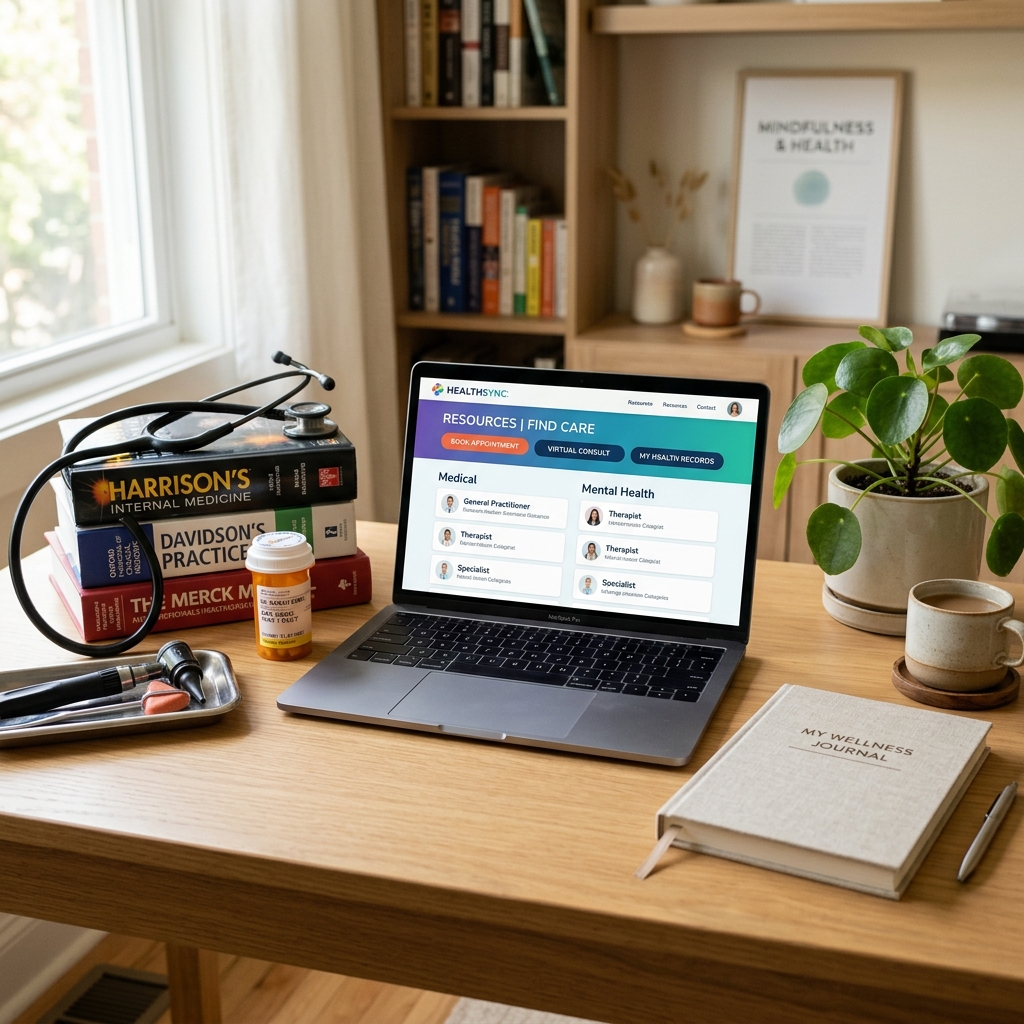
To effectively utilize Treatment Resources, you must understand how they are categorized. The healthcare industry generally divides these resources into several distinct tiers of care, each tailored to specific levels of acuity and need. The two primary categories you will encounter are inpatient and outpatient programs, though many hybrid models exist to bridge the gap between intensive and flexible care.
Inpatient programs provide round-the-clock medical supervision and structural support. These are ideal for individuals experiencing acute crises or those requiring intensive medical detoxification. Patients reside at the facility, allowing for continuous monitoring and a highly structured daily routine. Conversely, outpatient programs offer greater flexibility. You attend scheduled therapy sessions or medical appointments while continuing to live at home. This allows you to maintain employment and family responsibilities while receiving care.
Many modern facilities now offer Intensive Outpatient Programs (IOP) and Partial Hospitalization Programs (PHP). These serve as a middle ground, offering intensive daily therapy without the residential requirement. When exploring inpatient rehabilitation facilities, it is vital to assess whether the intensity of the program aligns with your current medical needs and personal obligations.
Comparison Table: Inpatient vs. Outpatient Care
|
Feature |
Inpatient Programs |
Outpatient Programs |
|---|---|---|
|
Supervision |
24/7 medical and psychiatric monitoring |
Scheduled appointments, no overnight stays |
|
Flexibility |
Low; requires residing at the facility |
High; allows you to maintain daily routines |
|
Cost |
Generally higher due to room and board |
Typically lower, billed per session or program |
|
Ideal For |
Acute crises, severe addiction, high-risk cases |
Mild to moderate conditions, step-down care |
|
Duration |
Short-term to medium-term (30-90 days) |
Long-term ongoing support (months to years) |
Mini-Conclusion on Care Categories
Selecting the correct category of care prevents both under-treatment and unnecessary disruption to your life. Carefully weigh your medical needs against your lifestyle constraints to find the perfect fit.
Financial Considerations When Seeking Treatment Resources
One of the most significant barriers to accessing quality care is the associated cost. However, a deep understanding of financial Treatment Resources can alleviate this burden and open doors to premium care facilities. Navigating the financial landscape requires patience, diligence, and a clear understanding of your insurance benefits and alternative funding options.
Your first step should always be a thorough review of your health insurance policy. The Affordable Care Act mandates that mental health and substance use disorder services be covered as essential health benefits. This means your insurance provider must offer coverage for these services comparable to medical and surgical coverage. Contact your provider directly to request a detailed breakdown of your behavioral health benefits, including copayments, deductibles, and out-of-network limitations.
If you are uninsured or underinsured, numerous alternative funding options exist. State-funded facilities offer care based on a sliding scale fee structure, adjusting the cost based on your income. Additionally, many private facilities offer internal scholarships or financing plans. You should also explore federal and state grants designed specifically to help individuals access necessary medical care. Engaging with a facility’s financial counselor can provide clarity and help you access hidden funding streams.
- Verify in-network vs. out-of-network coverage before committing to a facility.
- Ask about sliding scale fees or internal scholarship programs.
- Research state-funded grants and community health initiatives for financial aid.
Expert Insights for Selecting Treatment Resources

Choosing the right Treatment Resources requires more than just a quick internet search; it requires a strategic evaluation of quality, safety, and specialized expertise. Industry experts emphasize the importance of looking beyond marketing materials to assess the true clinical value of a program.
First, verify the accreditation of the facility. Look for endorsements from recognized bodies such as the Joint Commission or the Commission on Accreditation of Rehabilitation Facilities (CARF). These accreditations indicate that the facility adheres to rigorous standards of patient care and safety. Furthermore, investigate the credentials of the clinical staff. You want to ensure that you are receiving care from licensed, board-certified professionals who specialize in your specific condition.
Another critical factor is the facility’s approach to aftercare. Recovery does not end when you leave a program; in fact, the transition back into everyday life is often the most challenging phase. The best programs offer comprehensive mental health recovery plans that include ongoing therapy, alumni support groups, and community referrals. According to research from the National Institute of Mental Health, continuous aftercare significantly reduces the risk of relapse and promotes sustained wellness.
Pro Tips for Evaluating Care
- Request an Initial Assessment: Always ask for a pre-admission assessment to gauge the staff’s professionalism and the program’s fit.
- Inquire About Ratios: Ask about the patient-to-staff ratio to ensure you will receive adequate individualized attention.
- Demand Customization: Avoid programs that utilize a “one-size-fits-all” approach. Your treatment plan must be tailored to your unique history and symptoms.
Holistic and Alternative Treatment Resources
While traditional medical and psychiatric interventions form the backbone of recovery, incorporating holistic Treatment Resources can dramatically enhance your overall well-being. Holistic care focuses on treating the whole person—mind, body, and spirit—rather than just isolating specific symptoms.
Integrating practices such as yoga, mindfulness meditation, acupuncture, and nutritional counseling into your care plan can reduce stress, improve sleep quality, and boost your immune system. Many modern outpatient therapy clinics now offer integrated programs that combine cognitive behavioral therapy with somatic experiencing and mindfulness training. This dual approach helps regulate the nervous system, making traditional talk therapy more effective.
It is crucial to communicate openly with your primary care provider before starting any alternative therapies, especially if you are taking prescription medications. Holistic approaches should complement, not replace, evidence-based medical treatments. By building a diverse toolkit of healing practices, you empower yourself to manage symptoms proactively and maintain a higher quality of life.
Navigating Mental Health Treatment Resources Effectively

Mental health challenges require highly specialized Treatment Resources that address the nuances of psychological well-being. Navigating this specific sector of healthcare can be daunting due to the sheer variety of therapeutic modalities available.
Start by identifying the specific type of therapy that aligns with your needs. Cognitive Behavioral Therapy (CBT) is highly effective for anxiety and depression, while Dialectical Behavior Therapy (DBT) is preferred for borderline personality disorder and severe emotional dysregulation. Eye Movement Desensitization and Reprocessing (EMDR) is considered a gold standard for trauma and PTSD. Understanding these distinctions helps you seek out practitioners who possess the exact skills necessary for your recovery.
Furthermore, leverage digital health platforms. Telehealth has revolutionized access to care, allowing you to connect with specialized therapists regardless of your geographic location. Many online platforms also offer supplementary resources such as mood-tracking apps, digital journaling prompts, and peer-led support forums. When exploring holistic care programs, consider how virtual options can provide continuous, accessible support during moments of acute stress.
Common Mistakes to Avoid
- Ignoring the Therapeutic Alliance: Do not stay with a therapist if you do not feel a strong, trusting connection. The relationship is as important as the modality.
- Skipping the Diagnostic Phase: Rushing into treatment without a comprehensive psychological evaluation can lead to ineffective interventions.
- Neglecting Physical Health: Mental health is deeply connected to physical health. Failing to address sleep, diet, and exercise will hinder your psychological recovery.
Conclusion
Securing the right Treatment Resources is vital for sustained recovery and overall wellness. By utilizing the strategies outlined in this guide, from evaluating accreditations to understanding financial aid, you can confidently navigate the complex healthcare system. Take the first step today by reaching out to local support networks, consulting with certified professionals, and building the strong foundation of care you deserve.
FAQs
1. What are the most common types of Treatment Resources available?
The most common types include inpatient hospitals, residential rehabilitation centers, outpatient therapy clinics, intensive outpatient programs (IOP), and community support groups. Each serves a different level of medical and psychological need, ranging from acute crisis stabilization to long-term maintenance and wellness.
2. How can I determine if I need inpatient or outpatient care?
Inpatient care is necessary if you require 24/7 medical supervision, are experiencing an acute crisis, or pose a risk to yourself or others. Outpatient care is suitable if your symptoms are manageable, you have a strong home support system, and you need to maintain daily responsibilities like work or school.
3. Are digital Treatment Resources as effective as in-person care?
Yes, extensive research shows that telehealth and digital therapy platforms are highly effective for many conditions, particularly mild to moderate depression and anxiety. They offer significant benefits in terms of accessibility and convenience, though severe acute conditions still require in-person medical evaluation.
4. How do I verify if a facility is accredited?
You can verify a facility’s accreditation by checking their website for seals from organizations like the Joint Commission or CARF. Additionally, you can search for the facility directly on the official websites of these accrediting bodies to confirm their current standing and history of compliance.
5. What should I do if my insurance denies coverage for necessary care?
If your insurance denies coverage, you have the right to file an appeal. Request a detailed explanation of the denial, work with your medical provider to gather supporting clinical documentation proving the medical necessity of the care, and submit a formal appeal to your insurance company.
6. Can I access care if I do not have health insurance?
Yes, you can access care without insurance. Look for state-funded mental health and substance abuse facilities, community health centers that offer sliding scale fees based on income, and non-profit organizations that provide free or heavily subsidized support services and counseling.
7. What role do support groups play in the recovery process?
Support groups provide peer-led emotional support, reduce feelings of isolation, and offer practical advice from individuals who share similar experiences. They are a crucial component of long-term aftercare, helping individuals maintain motivation and accountability outside of clinical settings.
8. How long does a typical treatment program last?
Duration varies widely based on individual needs and the specific condition. Inpatient detox may last 3 to 7 days, residential programs often run 30, 60, or 90 days, while outpatient therapy can continue for months or even years as part of an ongoing wellness and maintenance plan.
9. What is the difference between evidence-based and holistic therapies?
Evidence-based therapies, like CBT or medication management, have been rigorously tested in clinical trials and scientifically proven to be effective. Holistic therapies, like yoga or acupuncture, focus on overall well-being and are best used as complementary practices alongside evidence-based medical interventions.
10. How can family members support a loved one seeking care?
Family members can support loved ones by helping them research accredited facilities, assisting with insurance verification and logistics, participating in family therapy sessions, and establishing a supportive, trigger-free home environment that encourages adherence to their continuing care plan.
