



When you face a complex medical diagnosis, finding the most effective treatment path becomes your top priority. Combination therapy strategies offer a powerful approach by uniting multiple treatments to outsmart resilient diseases, boost survival rates, and bring new hope where single therapies often fall short.
This comprehensive guide explores how healthcare professionals use multiple treatments simultaneously to target diseases from different angles. You will learn about the science behind these methods, their incredible benefits, potential side effects, and how personalized medicine is shaping the future of care. By understanding these concepts, you can make more informed decisions about your health journey.
Understanding the Foundations of the Approach
Medical science has evolved rapidly, moving away from relying on a single silver bullet to treat complex illnesses. Diseases, particularly cancer and severe infections, are highly adaptive. They can mutate, develop resistance, and find ways to bypass standard treatments. To combat this, doctors employ combination therapy strategies to hit the disease on multiple fronts simultaneously.
By pairing different drugs or treatment modalities, healthcare providers can close off a disease’s escape routes. This means if a tumor or virus becomes resistant to one medication, the second or third medication is already there to neutralize the threat. This multi-pronged attack forms the backbone of modern therapeutic regimens.
The Science of Synergy
Synergy occurs when two or more drugs work together to produce an effect greater than the sum of their individual parts. In medical terms, achieving synergy means you can potentially use lower doses of each drug while achieving a stronger therapeutic response. This is highly beneficial because it often minimizes the harsh side effects associated with high doses of a single powerful medication.
Researchers spend years studying molecular pathways to find the perfect synergistic pairs. For instance, they might combine a drug that breaks down a cancer cell’s protective wall with another drug that enters the cell and destroys its DNA. The first drug makes the second drug significantly more effective.
Core Benefits of Combining Treatments

Choosing to implement multiple treatments at once provides several distinct advantages that transform patient outcomes.
Overcoming Drug Resistance
One of the most terrifying moments for a patient is hearing that their disease is no longer responding to medication. Pathogens and tumors are incredibly smart; they mutate and evolve to survive the chemical attacks we launch against them. Combination therapy strategies directly address this issue. When you attack a cellular mutation from three different biological pathways at once, the statistical probability of the disease mutating to resist all three simultaneously drops to near zero.
Enhancing Treatment Efficacy
Using multiple therapies often results in a faster, more profound reduction in disease burden. For example, pairing radiation therapy with specific chemical agents can make the targeted tissues much more sensitive to the radiation. This heightened sensitivity means the treatment destroys more diseased cells in a shorter amount of time, shrinking tumors faster and halting the spread of the illness more effectively.
Preserving Healthy Tissue
When doctors use a single, highly toxic drug to eradicate a disease, the collateral damage to healthy organs can be severe. By combining treatments, doctors can lower the dosage of the most toxic components. This targeted approach focuses the destructive power directly on the diseased cells while sparing your heart, liver, kidneys, and surrounding healthy tissues.
Structured Comparison: Monotherapy vs. Combined Approaches
|
Feature |
Monotherapy |
Combined Approaches |
|---|---|---|
|
Mechanism of Action |
Targets a single biological pathway |
Targets multiple pathways simultaneously |
|
Risk of Resistance |
High, as diseases can easily mutate against one drug |
Very low, as diseases cannot easily adapt to multiple attacks |
|
Toxicity and Side Effects |
Often requires high doses, leading to severe side effects |
Can use lower doses of multiple drugs, balancing the toxicity |
|
Efficacy Rates |
Moderate, often decreases over time |
High, usually results in prolonged disease control |
|
Personalization |
Standardized, one-size-fits-all |
Highly tailored to individual genetic profiles |
Common Applications in Modern Medicine
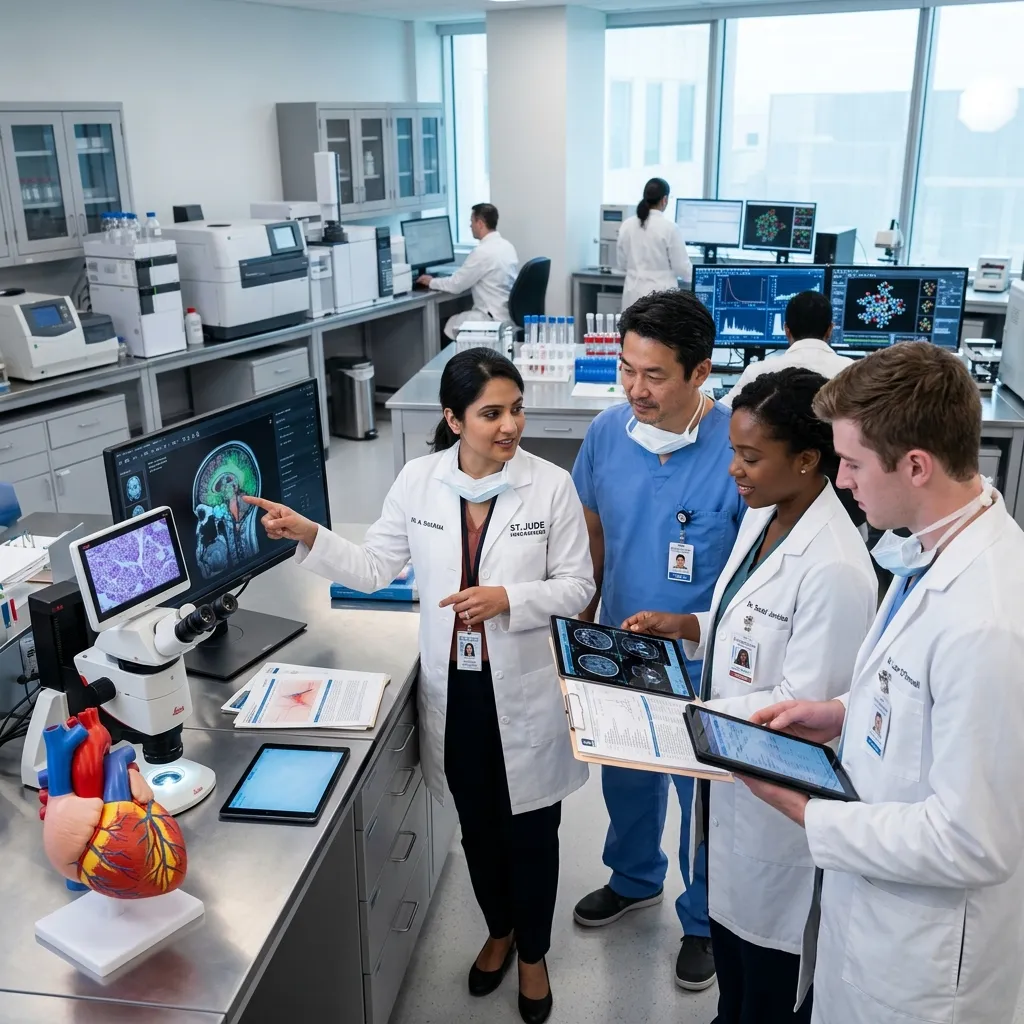
The medical community utilizes these advanced treatment methods across a wide variety of disciplines. While most commonly associated with oncology, these principles apply to many severe health conditions.
Oncology and Cancer Care
In cancer care, combining treatments is the gold standard. A standard protocol might involve surgical oncology to remove the primary tumor mass, followed by chemotherapy to kill any remaining cancer cells circulating in the blood. Recently, doctors have started adding immunotherapy treatments to this mix. Immunotherapy trains your body’s immune system to recognize and attack cancer cells. When paired with traditional chemotherapy, the results can be life-changing, turning once-fatal diagnoses into manageable chronic conditions.
Infectious Diseases
Viruses like HIV and bacteria like tuberculosis are notorious for mutating rapidly. Treating them with a single drug almost guarantees that the pathogen will develop resistance. To prevent this, infectious disease specialists use drug cocktails. By taking three or four different antiviral or antibiotic medications daily, patients keep the viral or bacterial load suppressed, preventing the pathogen from mutating and ensuring long-term health.
Cardiovascular and Metabolic Health
Even conditions like high blood pressure and type 2 diabetes benefit from combined approaches. A patient with severe hypertension might take a diuretic to reduce fluid volume, an ACE inhibitor to relax blood vessels, and a calcium channel blocker to slow the heart rate. Each medication performs a different job, but together they perfectly regulate the cardiovascular system without requiring a massive, dangerous dose of any single drug.
Step-by-Step Implementation of Combination Therapy Strategies
Creating the perfect treatment plan requires careful planning, deep biological understanding, and constant monitoring. Healthcare teams follow a rigorous process to ensure maximum efficacy and safety.
Step 1: Comprehensive Genetic and Molecular Testing
Before prescribing any medication, doctors must understand the exact nature of your disease. They perform biopsies, blood tests, and genetic sequencing to map the molecular profile of the tumor or pathogen. This tells them exactly which biological pathways are active and which drugs will be most effective.
Step 2: Selecting the Right Drug Combinations
Using the genetic data, a tumor board or team of specialists will brainstorm the best combination therapy strategies. They look for drugs that have proven synergistic effects and minimal overlapping toxicities. Artificial intelligence now plays a massive role in this step, analyzing millions of data points to predict which drug pairs will perform best for your specific genetic profile.
Step 3: Determining Dosage and Sequencing
Timing is everything. Sometimes it is best to deliver all drugs simultaneously. Other times, it is better to give one drug first to weaken the disease, followed by a second drug a week later to deliver the final blow. Doctors carefully calculate the optimal sequence and dosage to maximize impact while giving your healthy cells time to recover.
Step 4: Continuous Monitoring and Adaptation
Once treatment begins, the medical team will monitor you closely. They use frequent blood tests and imaging scans to track the disease’s response. If the disease starts to adapt, or if side effects become too severe, the doctors will pivot. They will swap out one drug for another, adjusting the combination in real-time to keep the disease off balance.
Pro Tips and Expert Insights
To get the most out of your treatment journey, consider these expert recommendations:
- Communicate Every Symptom: Never hide a side effect from your doctor. Even minor symptoms can indicate how your body is processing the drug combination. Adjusting a dose early can prevent major complications later.
- Stay Hydrated and Nourished: Multiple medications put a heavy workload on your liver and kidneys. Drinking plenty of water and maintaining a nutrient-dense diet helps your organs flush out toxins efficiently.
- Ask About Clinical Trials: The newest, most innovative drug pairings are often found in clinical trials. Ask your oncologist if you qualify for a trial testing next-generation combinations.
- Maintain a Strict Schedule: When taking multiple drugs, timing matters. Missing a dose or taking medications at the wrong time can disrupt the synergy and allow the disease to build resistance.
Common Mistakes to Avoid in Treatment Planning

Even with the best intentions, treatment plans can falter if certain pitfalls are not avoided.
- Ignoring Drug Interactions: Patients often take over-the-counter supplements or herbal remedies without telling their doctors. These supplements can interact negatively with powerful prescribed combinations, either neutralizing the drugs or creating toxic buildups.
- Stopping Treatment Early: It is common to feel significantly better once a combination treatment starts working. However, stopping treatment prematurely just because you feel good allows the microscopic remnants of the disease to return stronger and more resistant than before.
- Relying on Outdated Information: Medical science moves fast. A combination that was standard five years ago might be obsolete today. Always ensure your medical team is utilizing the most current, evidence-based guidelines.
The Role of Artificial Intelligence
The future of combination therapy strategies is tightly linked to advancements in artificial intelligence. Historically, finding the perfect drug pair required years of trial and error in the laboratory. Today, AI algorithms can simulate how thousands of different drugs will interact with a specific genetic mutation in a matter of hours.
These algorithms analyze massive datasets, including protein structures, patient histories, and clinical trial results. They can identify subtle patterns that human researchers might miss, predicting which drug combinations will be synergistic and which will be toxic. This technology is drastically reducing the time it takes to bring new, life-saving combinations from the laboratory to the patient’s bedside.
Managing the Financial and Emotional Impact
It is important to acknowledge that fighting a complex disease with multiple cutting-edge therapies requires massive resources. The emotional and financial toll on patients and families can be heavy.
Financially, taking multiple targeted drugs is incredibly expensive. Patients must work closely with social workers, hospital billing departments, and insurance companies to navigate the costs. Many pharmaceutical companies offer patient assistance programs to help cover the cost of expensive combination regimens.
Emotionally, the journey is a marathon. Managing the schedules, side effects, and anxieties associated with aggressive treatments requires a strong support system. Connecting with support groups, seeking mental health counseling, and maintaining open communication with loved ones are critical components of a successful treatment strategy.
Conclusion
Navigating a serious illness is undoubtedly challenging, but modern medicine has never been better equipped to help you fight back. Combination therapy strategies represent the absolute pinnacle of personalized, targeted medical care. By attacking diseases from multiple angles, preventing drug resistance, and utilizing the power of synergistic medications, healthcare providers can offer unprecedented hope and healing. Always communicate openly with your medical team to ensure your treatment plan is perfectly tailored to your unique needs.
FAQs
1. What exactly does combination therapy mean?
It refers to the medical practice of using two or more different treatments or medications simultaneously to treat a single disease. This approach attacks the illness from multiple biological angles, improving the chances of a successful outcome.
2. Why is this approach better than using a single drug?
Using one drug often allows a disease to mutate and become resistant. Combining treatments closes off these escape routes, destroys the disease faster, and often allows for lower doses, which can reduce severe side effects.
3. Are the side effects worse when combining treatments?
Not necessarily. While taking multiple drugs sounds intimidating, doctors often use lower doses of each specific medication. This carefully balanced approach can actually reduce toxicity to healthy organs compared to using a massive dose of a single harsh drug.
4. How do doctors know which drugs to combine?
Doctors rely on extensive clinical trial data, laboratory research, and genetic testing. They analyze your specific tumor or infection profile and use medical guidelines—increasingly aided by artificial intelligence—to pair drugs that exhibit synergy.
5. Can I take my regular vitamins during this treatment?
You must clear every supplement, vitamin, and over-the-counter medication with your doctor first. Many common supplements can interact dangerously with complex medical combinations, altering their effectiveness.
6. Is this strategy only used for cancer?
No. While it is highly prominent in oncology, combining treatments is standard practice for infectious diseases like HIV, cardiovascular conditions like severe hypertension, and respiratory illnesses like asthma.
7. What happens if the combined treatment stops working?
If a disease develops resistance to the current regimen, your medical team will run new genetic tests to see how the disease has mutated. They will then pivot, swapping out the ineffective drugs for a new combination designed to target the new mutation.
8. Does insurance usually cover multiple expensive treatments at once?
Insurance coverage varies widely depending on your provider, your specific diagnosis, and the exact medications prescribed. You should work closely with your hospital’s financial navigator to understand your coverage and apply for drug manufacturer assistance programs if necessary.
9. How important is the timing of my doses?
Timing is absolutely critical. Many drugs are designed to work together in a specific sequence. Missing a dose or taking them at the wrong times can break the synergy and allow the disease a window of opportunity to build resistance.
10. Will AI replace my doctor in choosing my treatments?
AI is a powerful tool that assists doctors by rapidly analyzing vast amounts of data to suggest optimal drug pairings. However, your doctor uses their clinical experience, understanding of your personal health history, and human empathy to make the final treatment decisions.
