


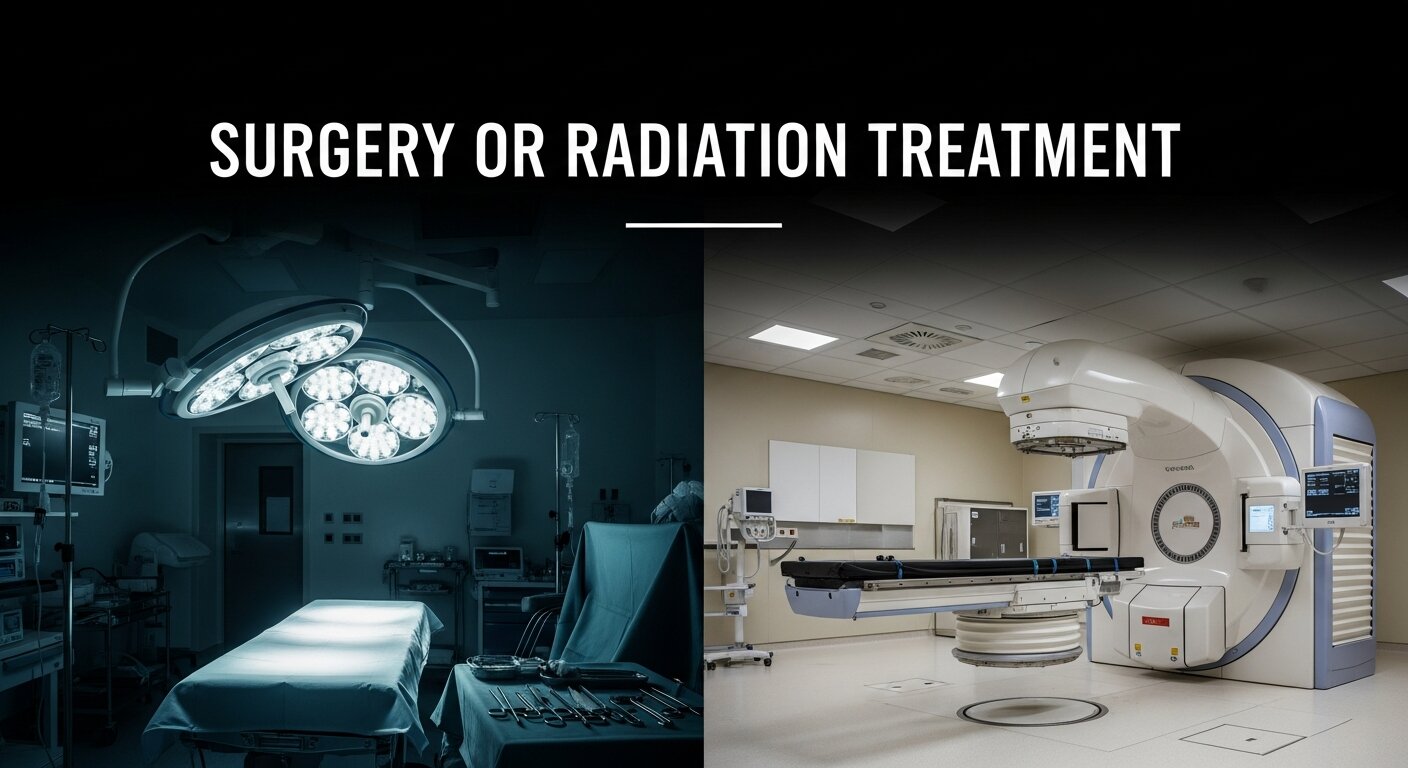
Facing a prostate cancer diagnosis often feels overwhelming and confusing. Deciding between surgery or radiation treatment for prostate cancer requires careful thought and medical guidance. This doctor’s guide unpacks your options in great detail, empowering you with the knowledge to choose the approach that best suits your health, personal values, and long-term quality of life.
This comprehensive article explores the critical differences between surgical removal and radiation therapy for localized prostate cancer. You will learn how each procedure works, what the research says about outcomes, the potential side effects, and how to weigh your choices. From actionable expert tips to common mistakes and recovery timelines, you’ll gain clarity and confidence to navigate your medical journey and make fully informed treatment decisions.
Understanding Surgery or Radiation Treatment for Prostate Cancer
Prostate cancer is a significant health challenge, but fortunately, treatment outcomes for localized disease are exceptionally strong. The primary interventions are surgical removal of the prostate (prostatectomy) or targeted destruction of cancer cells using radiation. Notably, leading studies and long-term follow-ups confirm that both options can deliver equivalent cancer control and survival outcomes, especially for low- and intermediate-risk patients.
But even though cure rates are similar, effects on your body and lifestyle can differ greatly. Understanding these differences is critical before making a decision. Your doctor considers several important factors, including:
- Your age and life expectancy: Younger, healthier men may lean toward surgery, while older patients or those with additional health concerns often consider radiation therapy.
- Cancer grade and stage: Aggressive or more advanced cancers sometimes need a combination of therapies, while slow-growing tumors may not require immediate intervention.
- Personal priorities and baseline urinary or sexual function: Your overall health and what matters most to you—such as avoiding general anesthesia or prioritizing cancer removal—play an important role in selecting the best option.
Deciding on the best option means understanding the mechanics, benefits, risks, and long-term impacts of each treatment in context. Let’s look in detail at how surgery and radiation work.
How Radical Prostatectomy (Surgery) Works
Radical prostatectomy has long been the gold standard for men who elect active treatment for localized prostate cancer. The central premise is straightforward: completely remove the prostate gland (where the cancer is located), along with some tissue around it, as a means to eradicate the disease. Surgery is generally performed with curative intent and may be offered as a first-line treatment for men who are healthy enough to undergo an operation.
There are a few main surgical approaches in use today:
Robotic-assisted laparoscopic prostatectomy: This is the most widely used approach today. The surgeon makes several small incisions and operates robotic arms with a high-definition camera for better precision, less blood loss, and faster recovery.
Open (retropubic) prostatectomy: Involves a single, larger incision in the lower abdomen. It’s less common now but still used for select cases with specific surgical needs.
Nerve-sparing techniques: Surgeons carefully identify and aim to preserve the neurovascular bundles responsible for sexual and urinary function, improving outcomes for continence and erections when possible.
What to Expect When Choosing Surgery
- Hospitalization: Most patients stay for 1–2 nights, though some go home within 24 hours.
- Catheter use: After surgery, a thin urinary catheter remains in place for about 1–2 weeks, allowing the surgical connection (anastomosis) to heal.
- Immediate pathology data: Surgery allows for a full pathological examination of the prostate and lymph nodes, enabling your care team to determine margins, stage, and grade and whether further treatment is needed.
Who Might Surgery Be Best For?
Surgery can be especially suitable for younger, fit men, patients wanting a rapid, one-time intervention, or those who prefer knowing as much as possible about their tumor and complete removal. Some patients also feel best about surgery because post-op PSA tests can more clearly indicate remission or recurrence (as the prostate gland, which makes PSA, has been removed).
However, surgery, like all interventions, involves trade-offs. Risks include short-term urine leakage, erectile dysfunction, and anesthesia complications. In rare cases, there can be infection or injury to nearby tissues. Your surgeon will discuss all of these risks and how likely they are for you personally.
Exploring Advanced Radiation Therapy

Radiation therapy is an equally effective, non-surgical method for curing localized prostate cancer. It works by delivering targeted energy directly to cancer cells, causing DNA damage that prevents further growth and eventually leads to cell death. With modern technology, radiation can be delivered with incredible accuracy while sparing healthy surrounding tissue.
The main forms of radiation for prostate cancer include:
External Beam Radiation Therapy (EBRT): This is the most common method. Treatments are painless and typically delivered daily over several weeks at a specialized center. Sophisticated systems like IMRT (Intensity-Modulated Radiation Therapy) and SBRT (Stereotactic Body Radiation Therapy) allow for hyper-focused dosing, with SBRT condensing treatment into as few as five sessions.
Brachytherapy (Internal Radiation): Physicians implant radioactive “seeds” directly into the prostate gland. These seeds emit low doses of radiation over a period of weeks or months and then become inert. This is best suited for early-stage, low or intermediate-risk patients—sometimes in combination with EBRT for higher-risk disease.
Proton Therapy: An advanced type of external beam therapy using protons instead of traditional X-rays. Its main advantage is precise targeting and less collateral injury; however, access may be limited and costs can be higher.
What to Expect With Radiation
- No surgery or general anesthesia is required: You remain awake and go home after each session. Treatments are painless and typically delivered daily over several weeks (standard EBRT) or condensed into a short course (SBRT).
- Most patients continue working, exercising, and performing normal activities during treatment, though mild fatigue can accumulate.
Innovations in Radiation Delivery
- Image-Guided Radiation Therapy (IGRT): Uses advanced scanning to align beams with the exact position of the prostate each session, adapting to bodily changes.
- Hydrogel rectal spacers: Temporary spacers can be placed between the prostate and rectum to provide extra protection for the bowel, greatly reducing the risk of rectal side effects.
- Genetic testing for radiation sensitivity: Some centers offer genetic profiling, such as the PROSTOX test, to predict the risk of severe side effects and personalize your therapy.
Who Might Radiation Be Best For?
Radiation offers a safe, effective choice for men who want to avoid surgery, have medical conditions increasing operative risks, or who prioritize less disruption to daily routines. It may also be suited for men with pre-existing heart or lung problems, or in cases where surgery is contraindicated.
However, side effects (such as temporary urinary irritation, gradual erectile dysfunction, or bowel changes) need to be considered, and men with significant baseline urinary symptoms may do better with surgery.
Comparison Table: Surgery vs. Radiation
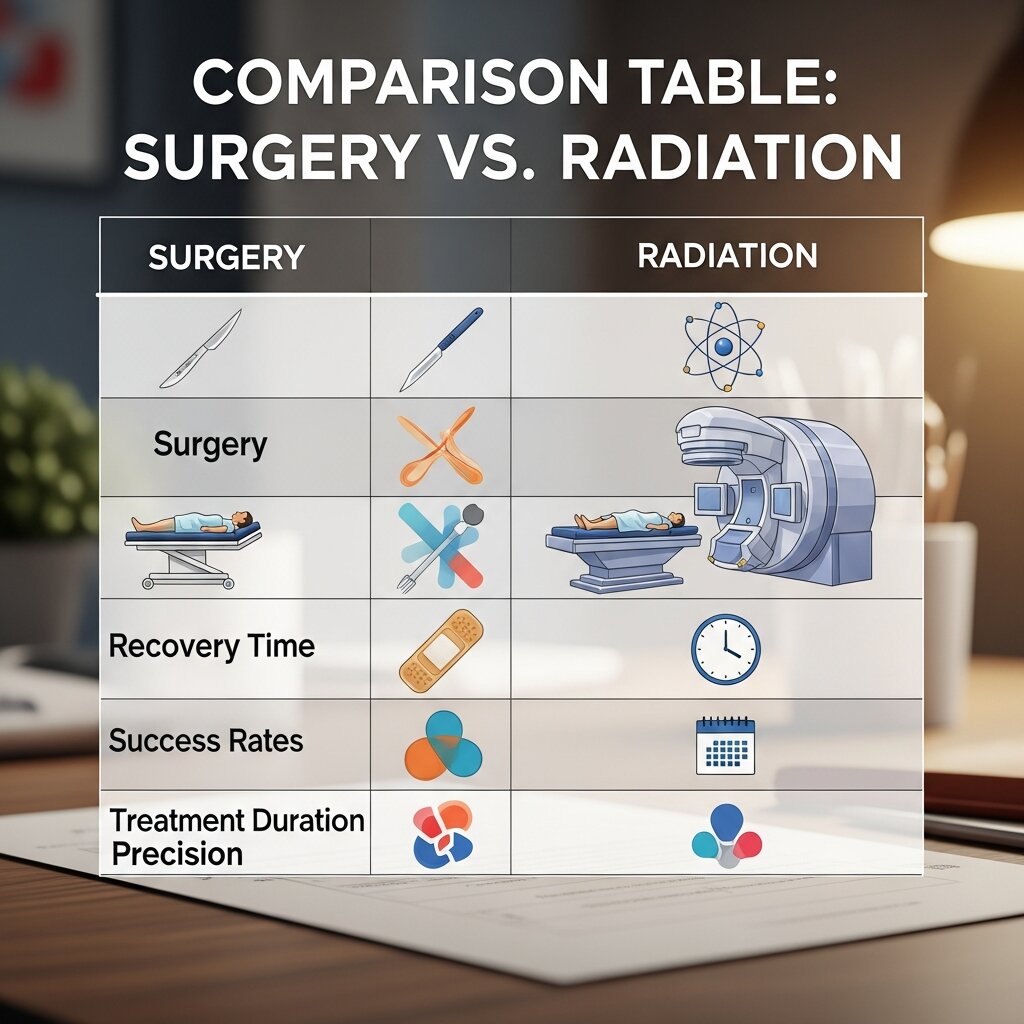
To further clarify your choices, consider this head-to-head comparison:
|
Feature |
Radical Prostatectomy (Surgery) |
Radiation Therapy |
|---|---|---|
|
Invasiveness |
Requires incisions and anesthesia |
Non-invasive |
|
Treatment Duration |
Single operation (1–3 hours) |
EBRT: 6–8 weeks or SBRT: 1–2 weeks |
|
Hospital Stay |
1–2 nights usually |
None (outpatient) |
|
Catheter Use |
7–14 days post-op |
Rare; may be used for brachytherapy |
|
Urinary Side Effects |
Immediate leakage common (improves) |
Urgency, frequency; typically temporary |
|
Bowel Side Effects |
Very rare |
Mild rectal symptoms possible, usually brief |
|
Sexual Function |
Risk of ED (improves with time/nerves) |
Gradual risk of ED over years |
|
PSA Monitoring |
Clearer interpretation (PSA=zero) |
Small PSA remains; rises can mean recurrence |
|
Repeat Treatment |
Radiation possible post-surgery |
Surgery after radiation rare, higher risk |
|
Pathology Data |
Full tumor analysis provided |
No direct pathology; rely on imaging/PSA |
|
Suitability |
Best for younger, healthy men; men seeking removal |
Best for older men, those avoiding anesthesia, or with comorbidities |
|
Lifestyle Impact |
Time off work during recovery |
Minimal disruption, most daily activities continue |
|
Combination Therapy |
Sometimes radiation used after surgery |
Hormone therapy or brachytherapy used with radiation for aggressive disease |
Comprehensive Decision Factors: What Matters Most?
Making this decision extends beyond medical facts. Here are some top considerations and personal factors you should weigh with your doctor and care team:
- Active Surveillance: For those diagnosed with low-risk, slow-growing prostate cancer, immediate treatment may not be necessary. Regular monitoring—through PSA tests, MRI, and periodic biopsies—can delay or avoid side effects and treatment altogether. Choosing active surveillance is not “giving up”; it’s a legitimate management strategy endorsed by top organizations (see National Cancer Institute).
- Comorbidity considerations and psychological comfort: Patients with significant health issues or who want to avoid surgery often lean toward radiation for its non-invasive nature. Some men feel more at ease knowing the tumor is removed surgically, while others are more comfortable with outpatient radiation.
- Future treatment options: When making your choice, consider that some options may limit future treatments if recurrence occurs, so plan with your doctor for possible next steps.
Pro Tips and Expert Insights
To help ensure you receive top-quality care and the best possible outcome:
Consult Both Urologists and Radiation Oncologists
Don’t rely on the advice of just one type of specialist. A multidisciplinary team—including both a urologist (who performs surgery) and a radiation oncologist—gives you a balanced view. Many hospitals now offer joint consultations for newly diagnosed patients.
Bring a Loved One to Appointments
Both surgery and radiation discussions can be detailed and emotionally charged. Having a partner or close friend present helps with note-taking, asking questions, and recalling information.
Genetic and Genomic Testing
Ask your doctor about advanced testing to further personalize your care. Some tests analyze your tumor’s genomic risks, while others help predict your risk for side effects from radiation.
Record Your Baseline Function
Document your current urinary and sexual health before treatment. Pre-treatment questionnaires (such as IPSS for urinary symptoms and IIEF for erections) set a benchmark and help track changes over time.
Hydrogel Spacer for Radiation
If choosing radiation therapy, ask about using a hydrogel spacer to minimize rectal side effects. (See American Cancer Society for more info.)
Common Mistakes to Avoid When Choosing Treatment
Mistakes can happen during this decision-making process. Avoid these to protect your well-being and peace of mind:
- Rushing Your Decision: Prostate cancer often progresses very slowly, and you almost always have weeks or months to research, seek second opinions, and understand your options before committing.
- Not Reviewing All Risks and Side Effects: Ensure every short and long-term risk is clearly discussed—especially regarding urinary, sexual, and bowel health. (See Cedars-Sinai’s Treatment Options or our section on Advanced Imaging for Prostate Health.)
- Assuming Future Options Stay the Same: For example, surgery after radiation carries higher complication risks than the reverse; map out your backup plans with your doctor.
Recovery, Side Effects, and Quality of Life
What to Expect After Surgery
- Hospital Recovery: Expect a 1–2 night stay post-operation, with a urinary catheter in place for about a week or two.
- Physical Recovery: Discomfort around the incision is normal at first; you’ll be encouraged to walk soon after surgery. Most daily activities resume within 1–2 weeks, but strenuous exercise is restricted for several weeks.
- Urinary and Erectile Changes: Urinary incontinence is common early, improving over months with pelvic floor exercises. Erectile dysfunction may occur, sometimes improving gradually; medications or devices can help.
- Follow-up Monitoring: PSA levels should become undetectable after surgery. If PSA rises, further evaluation or additional treatment may be needed.
What to Expect After Radiation
- Treatment Experience: Daily outpatient sessions (or short SBRT course) are typically painless, and you go home after each visit.
- Side Effects: During and after treatment, you may notice mild fatigue, urinary urgency or burning, and, less often, rectal discomfort or loose stools. In the long term, some patients report gradual erectile changes or subtle shifts in urinary or bowel habits, though most men continue day-to-day life with minimal disruption.
Long-Term Monitoring
- After Surgery: PSA should be zero. Any rise could signal recurrence, requiring further imaging or additional treatment.
- After Radiation: PSA levels decrease gradually and stabilize at a low point—usually not zero. Slow, steady PSA increases may indicate recurrence and could prompt salvage therapy.
The Role of Genetics and Personalized Medicine

Personalized, precision medicine is a fast-growing aspect of prostate cancer care. Through advances in genetic and genomic testing, treatment is becoming more tailored to individual biology.
Tumor Genomic Profiling: Tests like Decipher or Oncotype DX analyze your cancer’s unique characteristics, helping predict aggressiveness and the risk of spread. High-risk findings can guide your doctor toward recommending combined or intensified therapies.
Predicting Radiation Sensitivity: Innovative blood-based tests such as PROSTOX look for inherited markers that may increase your likelihood of late urinary or bowel side effects following radiation therapy. This knowledge supports a more individualized approach to treatment.
Lifestyle Factors: There is growing research into how nutrition, exercise, and certain supplements might affect recovery and recurrence rates—see our guide on Prostate Health Supplements.
Staying up to date with innovations—even clinical trials—empowers you to receive the most advanced and effective care.
Additional Considerations: Combining Therapies & Future Directions
While many men do well with either surgery or radiation, some cases benefit from combination therapy. If your pathology (or PSA trend after surgery) suggests more aggressive cancer, your doctor may recommend adding:
- Adjuvant or salvage radiation therapy after surgery can help eliminate any remaining cancer cells.
- Hormone therapy may be added to radiation, especially for intermediate- to high-risk disease, to enhance effectiveness.
- Participation in clinical trials is sometimes recommended, particularly for younger men or those with a family history, as innovative treatments continue to emerge.
Conclusion
Choosing between surgery or radiation treatment for prostate cancer is a deeply personal and nuanced decision. Both approaches offer high cure rates and are supported by strong research. Weigh the benefits, risks, and lifestyle considerations with care, ask your medical team all your questions, and take the time you need. Whichever path you choose, know that active support, vigilant monitoring, and innovative treatments are available. If you’re ready to move forward, connect with a multidisciplinary care team today and take the next step toward your optimal health.
Frequently Asked Questions
1. Is radiation just as effective as surgery for prostate cancer?
Yes, current evidence shows that for localized prostate cancer, radiation therapy and surgery offer nearly identical long-term outcomes in terms of cancer control and survival, especially for low- and intermediate-risk disease.
2. Which treatment typically has a faster recovery time?
Radiation therapy allows most people to maintain normal routines throughout treatment and doesn’t require a hospital stay. Surgery involves a short hospitalization and a few weeks of physical limitations as the wounds heal.
3. Will I need a urinary catheter after my treatment?
If you have surgery, you’ll almost always need a catheter for about one to two weeks after the operation. Most patients tolerate this well. Radiation therapy rarely requires a catheter, except sometimes during brachytherapy.
4. How do surgery and radiation affect sexual function?
Surgery usually causes an immediate loss of erections, improving over months depending on nerve sparing and recovery. Radiation causes a slower, more gradual loss of function, with some men noticing changes 1–3 years post-treatment.
5. Can I have surgery after radiation treatment fails?
Surgery after failed radiation (called salvage prostatectomy) is technically possible but much more complex, with higher risks of complications. For this reason, it’s usually reserved for select cases.
6. Can I have radiation after failed surgery?
Yes. If PSA rises after prostate removal, salvage radiation is a common next step and is generally effective.
7. Will radiation therapy make me radioactive?
No, not with external beam radiation. If you receive brachytherapy, you may need to observe some short-term safety precautions, but modern seeds typically have limited risk.
8. What is the role of active surveillance in prostate cancer?
Active surveillance involves close monitoring of low-risk cancers with regular PSA tests, imaging, and biopsies, delaying treatment unless the cancer begins to change. It is a safe and effective choice for many men.
9. How many sessions is radiation therapy?
Traditional EBRT takes 6–9 weeks of daily sessions, while SBRT may be completed in as few as 5 treatments. Brachytherapy may only require a single session.
10. Is hormone therapy needed with either surgery or radiation?
Hormone therapy is rarely used with surgery unless the cancer is advanced. For radiation, it is often combined for intermediate and high-risk cases to improve outcomes.
