


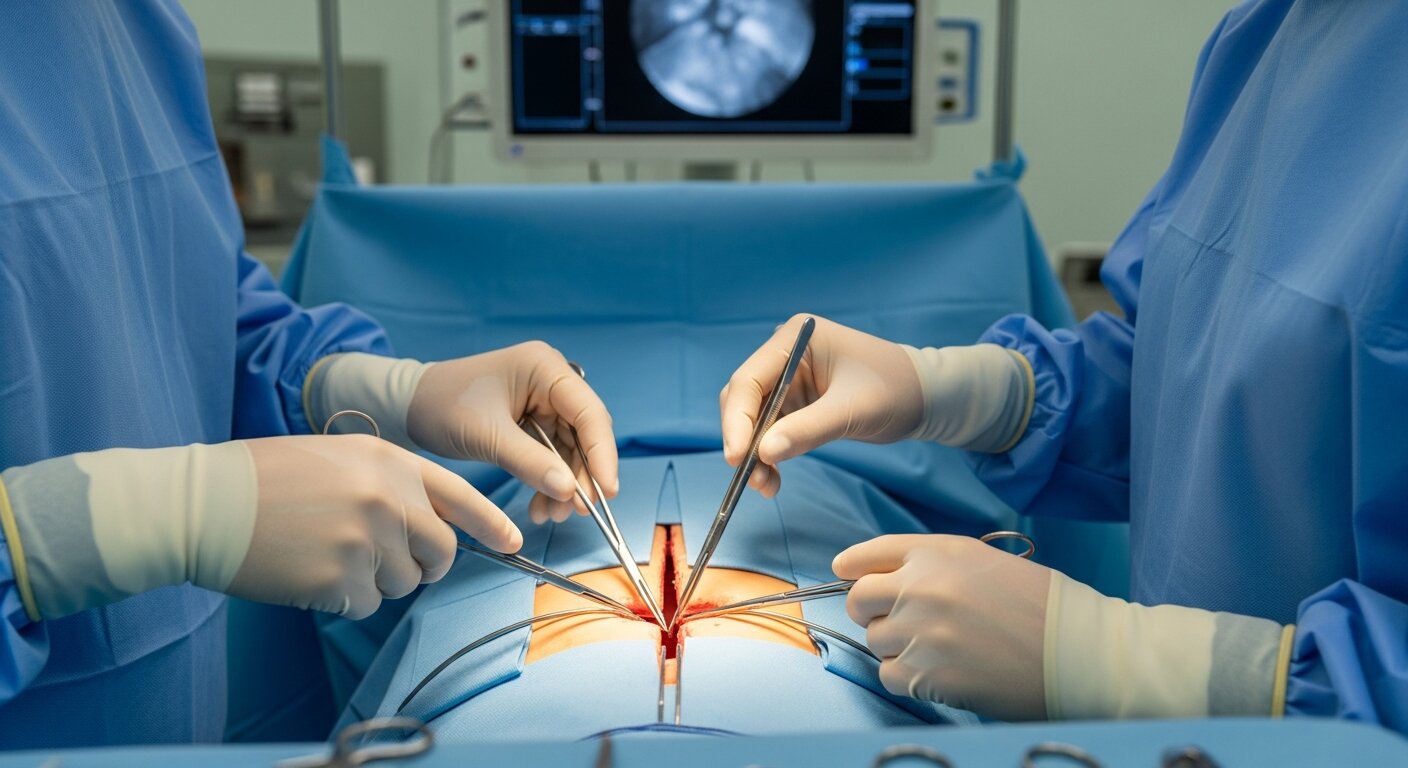
Facing a cancer diagnosis can feel overwhelming, but understanding Surgery for Cancer Treatment provides clarity. Discover how this powerful medical approach targets tumors, relieves symptoms, and serves as a vital step toward long-term recovery and healing.
This comprehensive guide explores the various types of surgical procedures used in oncology. You will learn about key benefits, crucial preparation steps, recovery timelines, and expert insights to help you navigate your treatment journey with confidence, ensuring you know exactly what to anticipate from start to finish.
The Essential Role of Surgery for Cancer Treatment
When oncologists develop a treatment plan, they often look to surgical intervention as a primary method for addressing malignant tumors. Doctors have utilized surgical methods for decades to physically remove cancerous tissue from the body. Because every patient presents a unique case, medical professionals tailor the approach based on the specific type, location, and stage of the disease.
Understanding your options helps you make informed decisions. An operation might serve as your only required treatment, or it might function alongside other methods like chemotherapy protocols and radiation therapy guidelines. By physically extracting the mass, surgeons can significantly improve your prognosis and relieve localized symptoms.
Primary Types of Cancer Surgery

Surgeons perform different types of procedures depending on the specific goal of the treatment. Not all operations aim to cure; some focus on prevention, diagnosis, or improving your quality of life.
Diagnostic Surgery (Biopsy)
Before your doctor can finalize a treatment plan, they must know exactly what they are dealing with. A biopsy involves removing a small tissue sample to test for cancerous cells. Pathologists examine this tissue under a microscope to confirm the diagnosis and determine the tumor’s grade.
Staging Surgery
To understand how far the disease has spread, doctors perform cancer staging procedures. Staging surgery often involves examining surrounding areas and removing nearby lymph nodes. This information proves critical because it dictates the intensity and scope of your subsequent treatments.
Curative Surgery
Curative operations aim to completely remove the localized tumor. If the mass remains confined to one area and has not spread to other organs, your surgeon will attempt to extract the entire growth along with a margin of healthy tissue. This approach offers the highest chance of complete eradication for early-stage diagnoses.
Debulking Surgery
Sometimes, removing the entire tumor could damage vital organs or blood vessels. In these instances, surgeons perform debulking. They remove as much of the mass as safely possible. Shrinking the tumor size makes follow-up treatments, such as targeted radiation, much more effective.
Palliative Surgery
Advanced stages of the disease often bring uncomfortable symptoms. Palliative surgery does not attempt to cure the disease. Instead, it focuses on relieving pain, clearing blockages in the digestive tract, or stopping bleeding. This intervention vastly improves the patient’s daily comfort and overall quality of life.
Preventive (Prophylactic) Surgery
If you carry a strong genetic predisposition for a specific malignancy, you might opt for preventive surgery. This involves removing tissue or organs that possess a high risk of developing malignant cells in the future. For example, some individuals choose to have a mastectomy if they carry the BRCA gene mutation.
Reconstructive Surgery
Following the removal of a tumor, reconstructive surgery helps restore the body’s appearance and function. This type of operation frequently follows treatments for breast, head, neck, or skin malignancies, helping patients regain their confidence and physical capabilities.
Advanced Surgical Techniques in Oncology
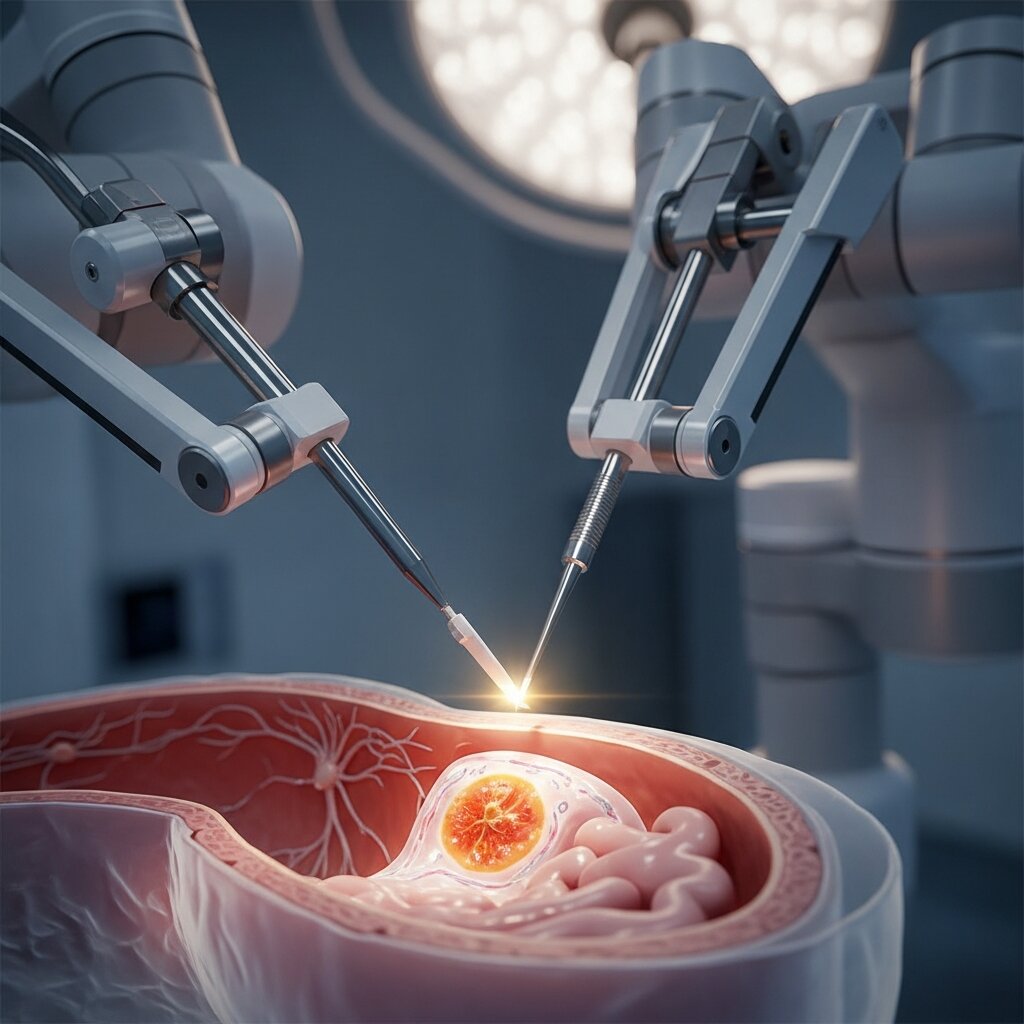
Medical technology continues to advance rapidly, offering patients less invasive options with faster recovery times. Your surgical team will evaluate your specific case to determine the safest and most effective technique.
Traditional Open Surgery
During open surgery, the surgeon makes a large incision to access the affected organ or tissue directly. While this method requires a longer recovery period, it provides the surgeon with maximum visibility and physical access to complex or exceptionally large tumors.
Minimally Invasive and Robotic Surgery
Laparoscopic and robotic surgeries require only a few small incisions. The surgeon inserts a tiny camera and specialized instruments to perform the operation. Patients generally experience less pain, minimal scarring, and much faster healing times. Robotic assistance provides surgeons with enhanced precision and a greater range of motion.
Laser and Cryosurgery
Doctors use highly focused light beams during laser surgery to vaporize specific cells, making it ideal for surface-level or early-stage anomalies. Conversely, cryosurgery uses liquid nitrogen to freeze and destroy abnormal tissue. Medical professionals frequently use these techniques for skin and cervical treatments.
Comparing Surgical Approaches
|
Feature |
Traditional Open Surgery |
Minimally Invasive / Robotic Surgery |
|---|---|---|
|
Incision Size |
Large (often several inches) |
Small (typically under an inch) |
|
Recovery Time |
Longer (weeks to months) |
Shorter (days to weeks) |
|
Hospital Stay |
Extended |
Brief (sometimes outpatient) |
|
Pain Levels |
Higher (requires more management) |
Lower (often managed with mild medication) |
|
Best Suited For |
Large, complex, or hard-to-reach tumors |
Localized, early-stage, or accessible tumors |
Key Benefits of Undergoing Surgery
Choosing to undergo an operation offers several distinct advantages in your fight against illness.
First, it provides immediate physical removal of the threat. Unlike systemic treatments that take weeks or months to show results, an operation physically eliminates the mass from your body.
Second, it provides exact diagnostic clarity. The extracted tissue gives pathologists a perfect sample to sequence, ensuring your oncology team knows exactly how to proceed.
Finally, even when a cure remains out of reach, surgical intervention significantly boosts the effectiveness of other therapies by reducing the overall volume of disease your body must fight.
How to Prepare for Your Procedure
Proper preparation drastically improves your outcomes and minimizes complications. You must actively participate in getting your mind and body ready for the operating room.
Medical Evaluations and Tests
Your medical team will run comprehensive tests to ensure your heart, lungs, and kidneys can handle the stress of an operation. You will likely undergo blood panels, EKGs, and imaging scans. Always provide an updated list of all medications, supplements, and vitamins you currently take, as some can increase bleeding risks.
Nutritional and Physical Conditioning
Entering the hospital in the best possible physical shape accelerates your healing. Focus on post-operative nutrition well before your procedure date. Consume high-protein meals to build your body’s reserves. If you smoke, you must stop immediately; nicotine severely restricts blood flow and delays tissue healing.
Mental and Emotional Preparation
Anxiety is completely normal. Lean on oncology support networks and communicate openly with your care team. Ask questions until you feel comfortable with the plan. Arrange for friends or family to assist you at home during your first week of recovery, as your mobility will be temporarily limited.
Common Mistakes to Avoid Before and After Surgery

Patients often unknowingly hinder their own recovery. Avoid these common pitfalls:
- Hiding medical history: Never withhold information about past substance use, minor health issues, or dietary supplements from your anesthesiologist.
- Failing to arrange home care: Do not assume you can drive, cook, or navigate stairs immediately after discharge.
- Ignoring pain levels: Trying to “tough it out” slows recovery. Stay ahead of your pain by taking medications exactly as prescribed.
- Staying in bed too long: While rest is vital, immobility leads to blood clots and pneumonia. Follow your nurse’s instructions to stand and walk as soon as safely possible.
What to Expect on the Day of the Operation
When you arrive at the hospital, the nursing staff will guide you through the final admission steps. They will verify your identity, confirm the procedure details, and help you into a hospital gown. Your surgical team, including the lead surgeon and the anesthesiologist, will visit you to answer any final questions.
Navigating Anesthesia Options
Depending on the complexity of your operation, you will receive one of several types of anesthesia. Local anesthesia numbs only a small area for minor procedures. Regional anesthesia blocks pain to a larger section of your body while you remain awake. For major operations, you will receive general anesthesia, which puts you into a deep, carefully monitored sleep where you feel absolutely nothing.
The Recovery Process: Healing and Post-Operative Care
Waking up in the recovery room marks the beginning of your healing journey. Nurses will closely monitor your vital signs as the anesthesia wears off.
Hospital Stay and Immediate Recovery
You may feel groggy, confused, or nauseous initially. This is a standard reaction to the medications. Your care team will manage your pain and ensure your incisions remain clean. They will also prompt you to perform deep breathing exercises to keep your lungs clear. Expect your doctors to encourage gentle movement, such as sitting up or walking down the hallway, within the first 24 hours.
Managing Side Effects at Home
Once discharged, you must vigilantly follow your care instructions. Keep your surgical site clean and dry. Watch for signs of infection, such as increased redness, swelling, or a fever. Fatigue represents the most common side effect; your body expends massive amounts of energy repairing tissue. Eat nutrient-dense foods, stay hydrated, and balance activity with ample rest.
Pro Tips and Expert Insights for a Smoother Journey
To maximize your healing potential, experts recommend a few proven strategies.
First, keep a daily symptom journal. Tracking your pain levels, temperature, and mood helps you communicate effectively with your doctor during follow-up visits.
Second, utilize a small pillow when coughing or sneezing. Pressing the pillow against your abdominal incisions provides support and dramatically reduces sharp pains.
Finally, rely on reputable resources like the American Cancer Society for evidence-based guidance rather than unverified online forums.
Conclusion
Navigating Surgery for Cancer Treatment requires a solid understanding of your options, risks, and recovery paths. By working closely with your medical team and preparing thoroughly, you set the strong foundation necessary for optimal healing. Take the first step today by discussing these actionable insights with your oncologist and outlining your personal path forward.
FAQs
1. How long does it take to recover from an oncology operation?
Recovery timelines vary drastically based on the procedure type and your overall health. Minimally invasive procedures may require only a few weeks of rest, whereas major open operations often require several months of dedicated healing and physical rehabilitation.
2. Will I need chemotherapy after my operation?
Your oncologist will determine this based on your tumor’s pathology report. If the surgeon successfully removed all malignant cells with clear margins, you might not need systemic therapy. However, doctors frequently use adjuvant chemotherapy to destroy any remaining microscopic cells.
3. What are the main risks associated with removing a tumor?
All invasive procedures carry inherent risks, including bleeding, infection, and adverse reactions to anesthesia. Specific risks depend on the organ involved. Your surgeon will thoroughly discuss these risks and how they plan to mitigate them during your pre-operative consultation.
4. Can I choose to have minimally invasive surgery?
While minimally invasive techniques offer easier recoveries, they are not suitable for every case. If a tumor is exceptionally large, wrapped around vital blood vessels, or located in a complex area, traditional open surgery remains the safest and most effective option.
5. How do I prepare my home for my return from the hospital?
Prepare your recovery space by moving essential items to waist level so you do not have to bend or stretch. Prepare and freeze healthy meals in advance. Ensure you have clear, trip-free walkways, and place a shower chair in your bathroom for safety.
6. Why do surgeons remove lymph nodes during the procedure?
Malignant cells frequently travel through the lymphatic system to spread to other parts of the body. By removing and testing nearby lymph nodes, doctors can accurately stage the disease and determine if systemic treatments are necessary.
7. Is pain management guaranteed after the procedure?
Your medical team prioritizes your comfort and will prescribe an aggressive pain management plan. This may include a combination of nerve blocks, opioid analgesics for severe pain, and anti-inflammatory medications. Always communicate openly if your pain feels unmanageable.
8. What is a clear margin?
A clear margin means that the pathologist examined the outer edges of the removed tissue and found no malignant cells. This indicates a high likelihood that the surgeon successfully extracted the entire localized tumor.
9. How soon can I return to work?
Return-to-work timelines depend entirely on the physical demands of your job and the extent of your operation. Desk jobs may allow a return within two to four weeks, while physically demanding occupations might require two to three months of medical leave.
10. What should I eat to promote wound healing?
Focus your diet on lean proteins, which are essential for tissue repair. Incorporate foods rich in Vitamin C and Zinc, such as citrus fruits, spinach, nuts, and seeds, as these nutrients actively support your immune system and accelerate skin healing.
