


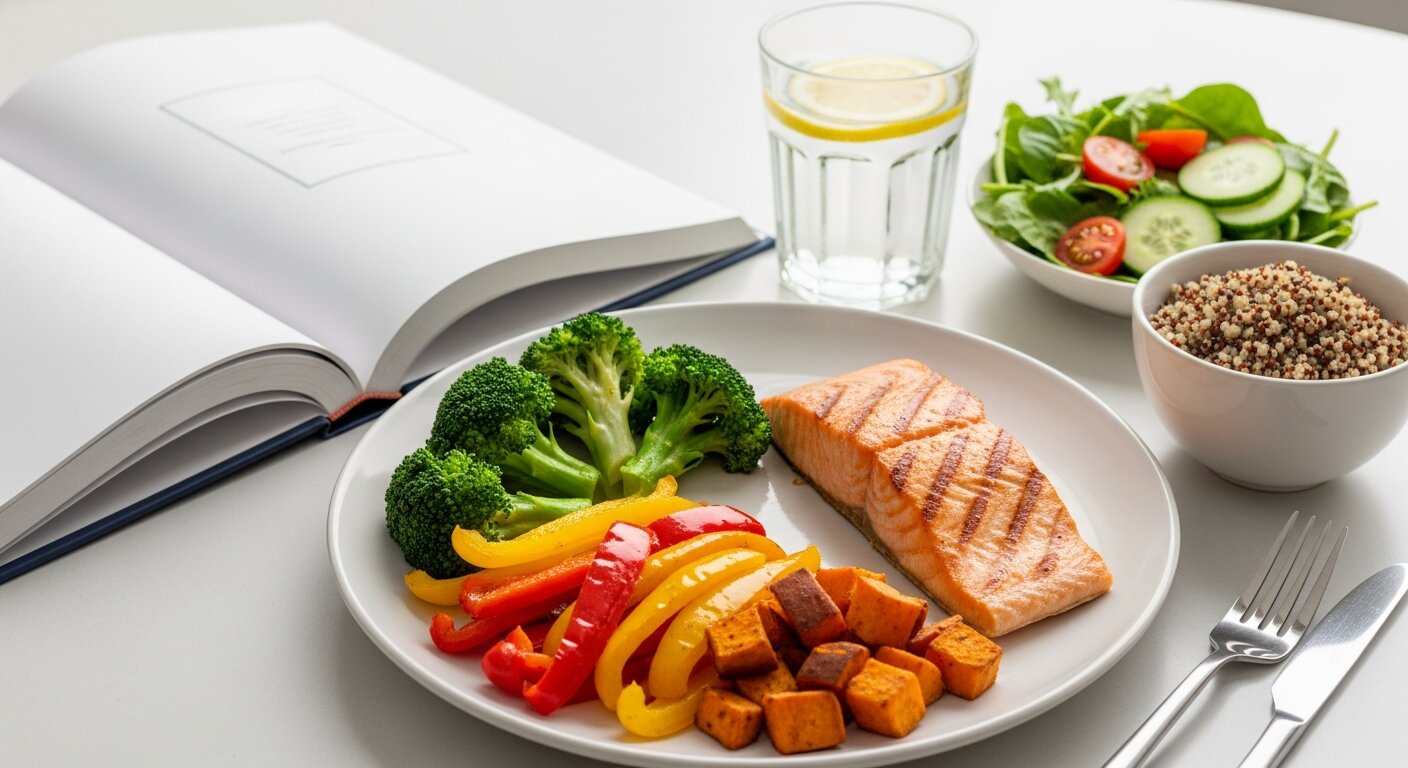
Navigating a diagnosis is overwhelming, but managing your nutrition shouldn’t be. A well-structured Cancer Patient Diet Plan serves as a foundational pillar for recovery, helping you maintain strength, manage side effects, and improve your overall quality of life during and after medical treatment.
This guide provides an evidence-based roadmap for nutritional support. We cover essential macronutrients, symptom management through food, meal prepping strategies, and expert-backed tips to ensure your body has the fuel it needs to heal and thrive.
The Vital Role of a Cancer Patient Diet Plan in Recovery
Nutrition is more than just eating; it is a clinical intervention. When the body fights cancer, its metabolic demands skyrocket. A Cancer Patient Diet Plan is designed to meet these increased needs while accounting for the physiological changes caused by chemotherapy, radiation, and surgery. Proper nutrition helps in preserving lean body mass, which is often depleted during aggressive treatments. Without adequate caloric and protein intake, patients may face Malnutrition, leading to treatment delays or decreased tolerance to life-saving therapies.
Research from the American Cancer Society emphasizes that patients who maintain their weight through a structured diet often experience fewer complications. By focusing on Plant-based diets rich in phytonutrients, patients can support their immune system. However, the plan must remain flexible. What works during a week of wellness might not work during a week of heavy nausea. The goal is to provide a steady stream of energy while minimizing the inflammatory markers in the body.
Essential Nutrients for Strengthening the Body
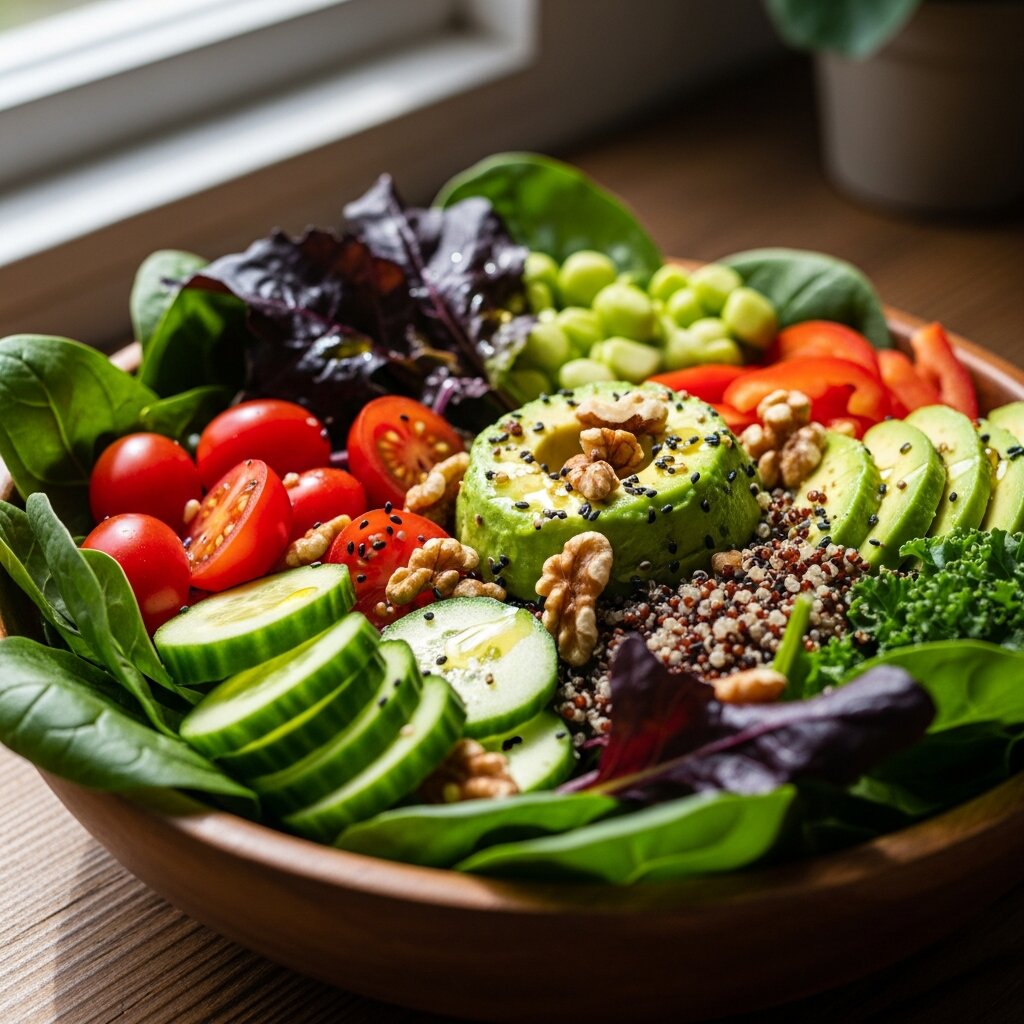
To build a successful Cancer Patient Diet Plan, one must understand the specific building blocks required for cellular repair. Protein is arguably the most critical component. It is the “brick and mortar” of the immune system and muscle tissue. During treatment, your body requires significantly more protein than a healthy adult to repair the damage done to healthy cells by radiation or chemotherapy. Sources such as lean poultry, fish, eggs, beans, and lentils should be staples in your daily routine.
Carbohydrates are your primary energy source. However, the quality of carbohydrates matters. Instead of refined sugars, which can cause energy crashes, focus on Whole grains like quinoa, brown rice, and oats. These provide sustained energy and fiber, which is essential for digestive health—a common concern for those on medication. Additionally, Healthy fats, specifically omega-3 fatty acids found in walnuts, flaxseeds, and fatty fish, help reduce systemic inflammation. Incorporating Vitamin D and Antioxidant-rich foods like berries and leafy greens further protects cells from oxidative stress.
Comparison of Nutrient Sources for Cancer Support
| Nutrient Category | Recommended Sources | Benefits for Patients |
| High-Quality Protein | Greek yogurt, chicken, tofu, eggs | Muscle preservation, tissue repair |
| Complex Carbohydrates | Sweet potatoes, oats, quinoa | Sustained energy, fiber for digestion |
| Healthy Fats | Avocado, olive oil, walnuts | Caloric density, inflammation reduction |
| Essential Vitamins | Spinach, citrus fruits, carrots | Immune support, DNA repair |
Managing Treatment Side Effects Through Nutrition
One of the biggest hurdles in maintaining a Cancer Patient Diet Plan is the presence of side effects. Nausea, mouth sores, and taste changes can make eating feel like a chore rather than a necessity. For nausea, the “bland diet” approach is often best. Small, frequent meals consisting of dry toast, crackers, or ginger tea can settle the stomach. Avoiding strong-smelling foods and eating in a well-ventilated room can also prevent triggers.
If you are experiencing Weight loss or a lack of appetite, focus on “nutrient-dense” rather than “volume-dense” foods. This means making every bite count. Add a tablespoon of olive oil to soups, or blend protein powder into fruit smoothies. If mouth sores are an issue, stick to soft, cool foods like cottage cheese, mashed bananas, or chilled purees. Avoid acidic or spicy foods that can irritate sensitive tissues. For those experiencing a “metallic taste,” using plastic utensils instead of metal ones can sometimes alleviate the discomfort.
Hydration and the Importance of Fluid Intake
Maintaining Hydration is a non-negotiable part of any Cancer Patient Diet Plan. Many treatments cause dehydration through vomiting, diarrhea, or simply a lack of thirst. Water is the best choice, but if plain water is unappealing, try infusing it with cucumber, lemon, or mint. Electrolyte-balanced drinks can also be beneficial, especially if you are losing fluids.
A common mistake is waiting until you feel thirsty to drink. By the time thirst kicks in, your body is likely already dehydrated. Aim for 8 to 10 cups of fluid per day. If you struggle to drink enough, incorporate hydrating foods like watermelon, celery, and broths. Monitoring the color of your urine—which should be a pale straw color—is a simple way to track your hydration status at home. Proper fluid intake helps the kidneys flush out the toxins left behind by chemotherapy medications.
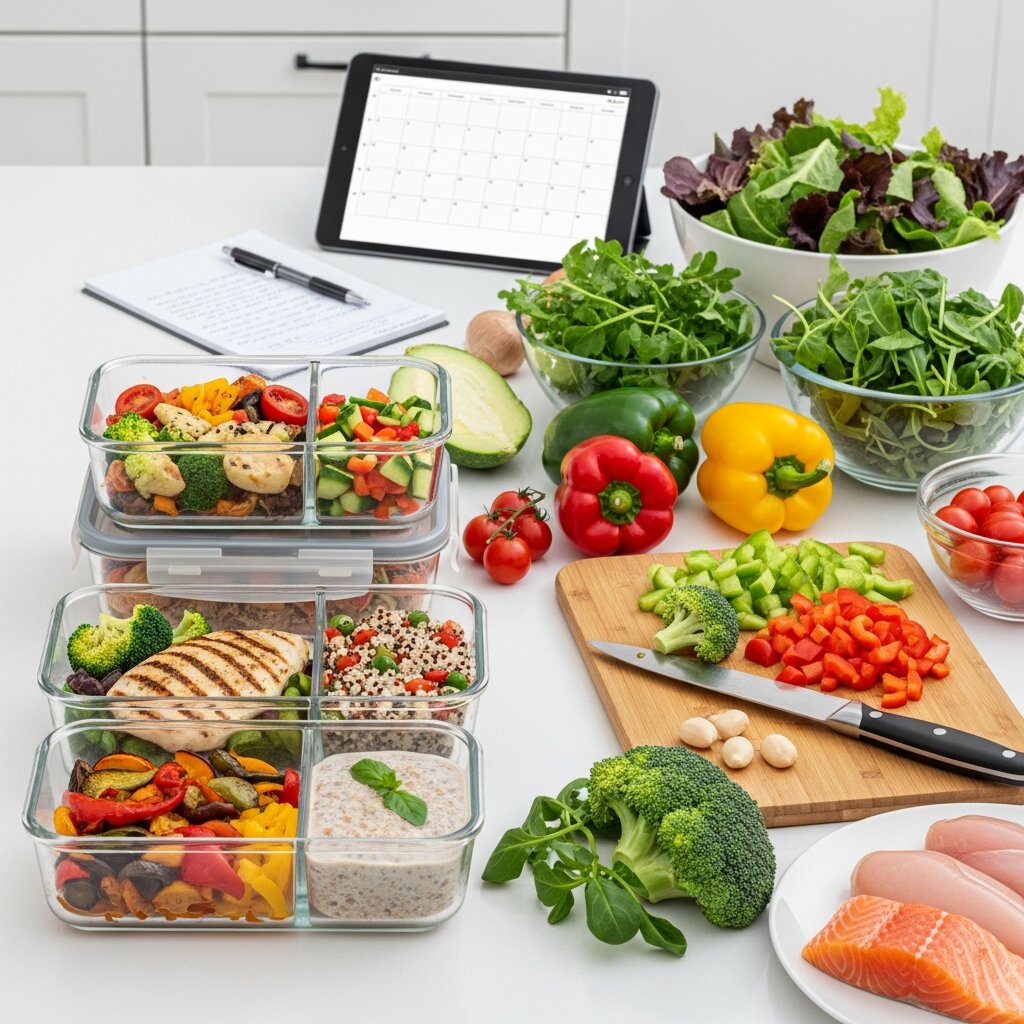
Consistency is key to a successful Cancer Patient Diet Plan. However, fatigue is a frequent visitor during treatment. To combat this, adopt a “cook once, eat twice” mentality. On days when you feel stronger, prepare large batches of Healthy recipes like lentil soup or vegetable stews that can be frozen in individual portions. Having “ready-to-heat” meals ensures you don’t skip eating when exhaustion hits.
Stocking a “cancer-friendly” pantry is another effective strategy. Keep shelf-stable items like canned beans, nut butters, tuna, and whole-grain crackers on hand. For quick snacks, Nuts and seeds provide a punch of protein and healthy fats with zero preparation time. If cooking is too taxing, don’t hesitate to use Meal delivery services that specialize in medical nutrition. The focus should always be on reducing the barrier between you and a nutritious meal.
Common Mistakes to Avoid in Oncology Nutrition
Even with the best intentions, it is easy to fall into traps that hinder recovery. One major error is following overly restrictive “fad diets” that claim to cure cancer. Diets that eliminate entire food groups can lead to dangerous Malnutrition and muscle wasting. Your body needs a balance of all macronutrients to heal. Another mistake is ignoring the need for Food safety. Cancer treatments often weaken the immune system, making you more susceptible to foodborne illnesses.
Avoid raw or undercooked meats, unpasteurized dairy, and unwashed produce. Cross-contamination in the kitchen should be strictly avoided. Additionally, don’t rely solely on supplements without consulting your oncologist. Some vitamins, in high doses, can actually interfere with the effectiveness of chemotherapy or radiation. Always prioritize “food first” before turning to synthetic alternatives.
Expert Insights and Pro Tips for Success
Clinical nutritionists often suggest that a Cancer Patient Diet Plan should be as colorful as possible. This “rainbow” approach ensures a wide spectrum of Phytonutrients and antioxidants. A pro tip for managing fatigue is to eat your largest meal early in the day when your energy levels are typically higher. If dinner feels too heavy, a light snack like a bowl of oatmeal or a piece of fruit may suffice.
Furthermore, consider the psychological aspect of eating. Stress can shut down the digestive system. Try to create a calm environment for meals, perhaps with soft music or pleasant company. If you find your weight dropping despite your efforts, consult a Registered Dietitian who specializes in oncology. They can provide tailored advice and perhaps suggest high-calorie Meal replacement shakes to bridge the nutritional gap. Remember, your diet is a flexible tool, not a rigid set of rules.
The Importance of Physical Activity and Nutrition Synergy
While the primary focus is on a Cancer Patient Diet Plan, nutrition works best when paired with light Exercise. Physical activity, even just a 10-minute walk, can stimulate appetite and help the body utilize nutrients more effectively. Exercise also helps maintain muscle mass, which works in tandem with high-protein intake to prevent cachexia (wasting syndrome).
Always listen to your body. On days when exercise isn’t possible, focus entirely on restorative nutrition and Stress management. Deep breathing exercises or meditation before a meal can help transition the body into a “rest and digest” state, improving the absorption of nutrients. The synergy between a clean diet, movement, and mental well-being creates the optimal environment for cellular recovery and long-term health.
Long-Term Nutritional Maintenance Post-Treatment
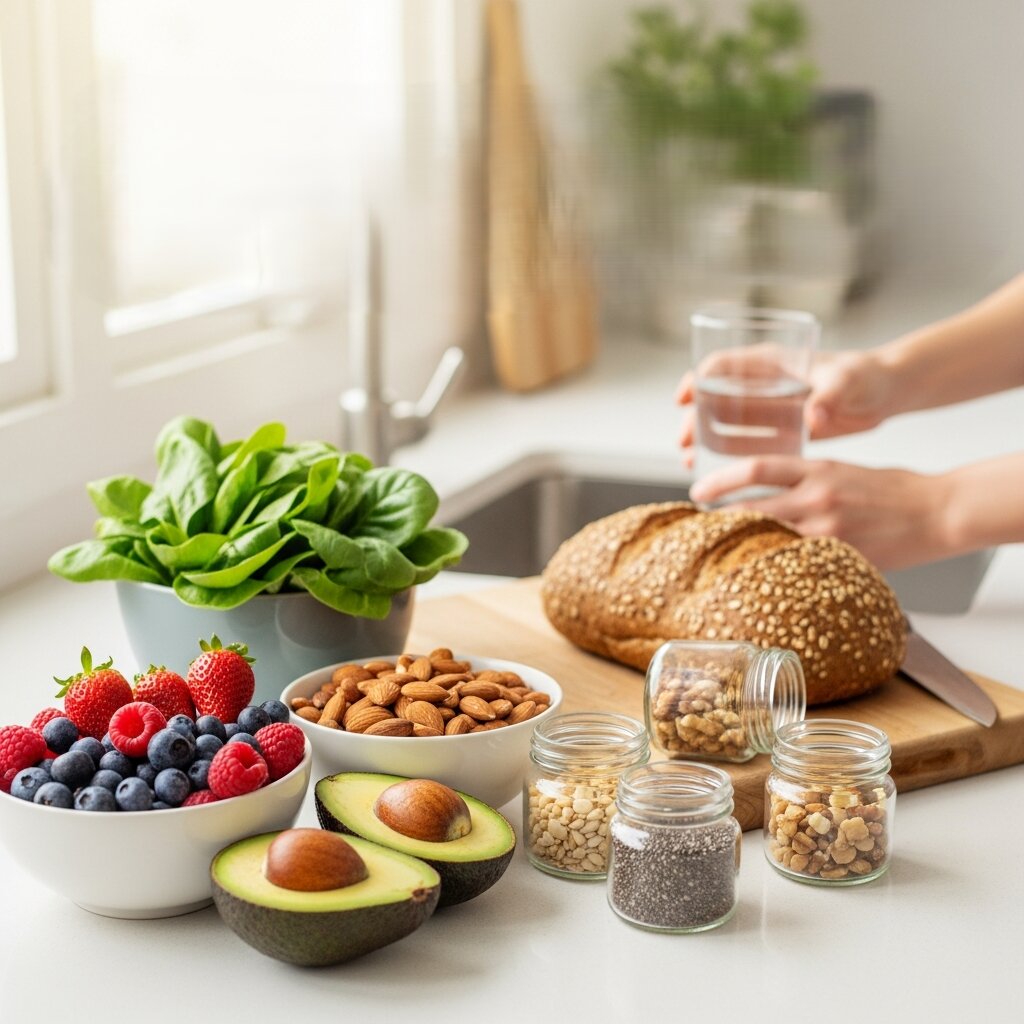
Transitioning out of active treatment doesn’t mean abandoning your Cancer Patient Diet Plan. In fact, the “survivorship” phase is the perfect time to solidify Healthy lifestyle habits. Your focus may shift from weight maintenance to Cancer prevention and reducing the risk of recurrence. This involves a long-term commitment to high-fiber foods, lean proteins, and a reduction in processed meats and sugary beverages.
Continue to monitor your body’s reaction to different foods. Sometimes, digestive changes from treatment can persist for months or even years. Maintaining a food diary can help identify any late-onset sensitivities. By staying mindful of your nutritional intake, you empower yourself to take control of your health journey, ensuring your body remains a strong fortress against future illness.
Conclusion
A well-implemented Cancer Patient Diet Plan is an essential component of the healing process. By focusing on nutrient density, hydration, and side-effect management, you provide your body with the tools it needs to withstand the rigors of treatment and recover more effectively. Always work closely with your medical team to tailor these recommendations to your specific needs. Start small, be consistent, and prioritize your nourishment—it is one of the most powerful ways to support your journey back to wellness.
FAQ
1. What Is the Most Important Food in a Cancer Patient Diet Plan?
There is no single miracle food in a cancer diet. Protein is often the top priority because it helps repair tissues affected by chemotherapy, radiation, or surgery while supporting immune health. Include protein regularly through eggs, fish, chicken, yogurt, lentils, beans, tofu, or nut butters throughout daily meals and snacks.
2. Can I Eat Sugar If I Have Cancer?
Sugar does not directly cause cancer growth, but large amounts of refined sugar can add calories without much nutrition. During treatment, it is smarter to focus on nutrient-rich foods. Fruits are usually better choices because they provide natural sugars along with fiber, antioxidants, water, and essential vitamins.
3. How Can I Gain Weight During Chemotherapy?
Weight loss is common during chemotherapy, so calorie-dense foods can help maintain strength. Add healthy fats like avocado, olive oil, nuts, seeds, and peanut butter to meals. Smoothies made with yogurt, milk, bananas, or oats can increase calories and protein without making meals feel too heavy.
4. Are Raw Vegetables Safe During Treatment?
Raw vegetables are not always the safest choice during treatment. If white blood cell counts are low, especially during neutropenia, raw produce may raise infection risk. Cooked vegetables are often recommended because heat helps reduce harmful bacteria while still providing vitamins, minerals, fiber, and valuable plant nutrients.
5. What Should I Drink to Stay Hydrated?
Hydration is essential during cancer treatment because vomiting, diarrhea, and reduced appetite can quickly lead to fluid loss. Water remains the best choice. Herbal teas, broths, diluted juices, and ginger drinks may also help. Try limiting excessive caffeine because it can sometimes worsen dehydration symptoms.
6. Is a Vegan Diet Good for Cancer Patients?
A vegan diet can work well for some cancer patients if it is carefully planned. The key concern is getting enough protein, calories, vitamin B12, iron, and zinc. Beans, lentils, tofu, soy milk, nuts, and seeds can help, but dietitian guidance is often valuable.
7. How Do I Handle a Metallic Taste in My Mouth?
A metallic taste is a common side effect of chemotherapy. Using plastic utensils instead of metal can make meals more pleasant. Marinating meats with lemon, orange, or mildly sweet flavors may help mask unpleasant tastes. Cold foods and stronger seasonings can also improve appetite during treatment.
8. Should I Take a Multivitamin?
Before taking any multivitamin, talk with your oncologist. Some supplements, especially high-dose antioxidants or herbal products, may interfere with chemotherapy or radiation. Many experts recommend getting nutrients mainly from food. If a supplement is needed, it is often safest to stay near daily recommended amounts.
9. What Can I Eat for Mouth Sores?
Mouth sores can make eating painful, so choose foods that are soft, cool, and easy to swallow. Yogurt, milkshakes, oatmeal, mashed potatoes, scrambled eggs, and smoothies are common choices. Avoid spicy, salty, rough, or acidic foods like citrus, tomatoes, crackers, and heavily seasoned dishes.
10. How Often Should I Eat During the Day?
Instead of forcing three large meals, many cancer patients tolerate five or six smaller meals better. Eating every few hours helps maintain energy, improves calorie intake, and may reduce nausea. Small snacks with protein and calories often feel more manageable than large plates of food.
