


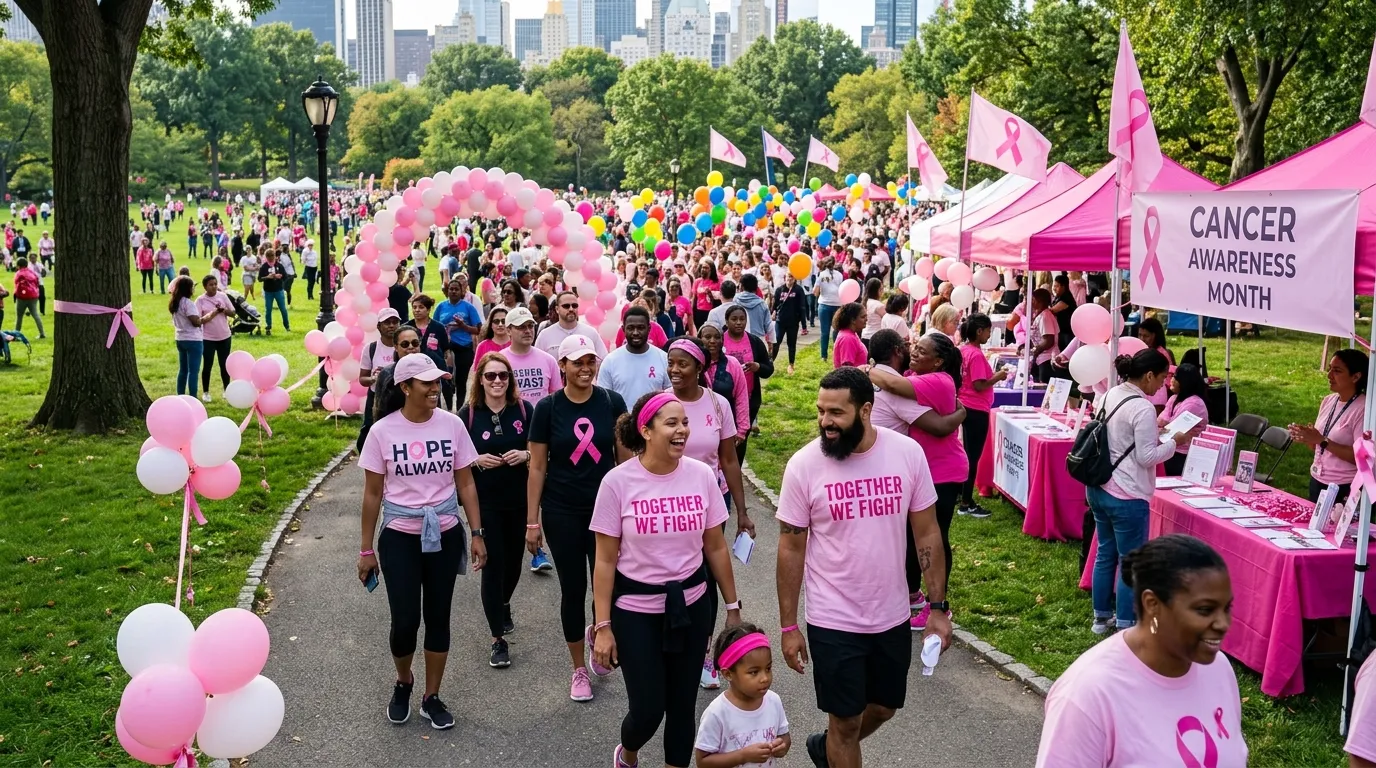
Uniting for a vital cause changes lives. Participating in Cancer Awareness Month Events empowers communities to educate the public, fund critical medical research, and honor those impacted by the disease. You can drive meaningful change by organizing activities that inspire hope and provide actionable support networks.
This comprehensive guide explores the profound impact of community-driven health campaigns. You will discover practical frameworks for organizing successful fundraisers, compare traditional and virtual participation models, and learn how to foster essential survivor networks. We outline actionable strategies, common planning pitfalls to avoid, and expert insights to ensure your local activities maximize both engagement and long-term medical progress.
The True Impact of Cancer Awareness Month Events
Hosting and attending Cancer Awareness Month Events does far more than just generate temporary excitement. These organized gatherings serve as the primary catalyst for massive shifts in public health education. When communities come together, they create a safe, visible platform to discuss preventative measures and early detection strategies. People who might otherwise ignore routine medical checkups often feel encouraged to schedule appointments after attending a well-organized local health drive. This ripple effect directly saves lives by catching illnesses in their most treatable stages.
Furthermore, the financial impact of these gatherings remains absolutely staggering. Independent researchers rely heavily on the oncology research funds generated through grassroots campaigns. When you participate in a local walkathon or a charity gala, your registration fees and direct donations filter down into laboratories and clinical trials. This financial lifeline accelerates the development of targeted therapies and less invasive surgical techniques. Without the consistent push from annual public awareness campaigns, medical advancement would slow down significantly.
Finally, the emotional resonance of these gatherings cannot be understated. A disease diagnosis frequently isolates patients and their families. Public gatherings shatter this isolation. Seeing hundreds or thousands of people wearing specific ribbon colors provides overwhelming visual proof of solidarity. Patients realize they are not fighting alone. This psychological boost improves treatment adherence and overall mental well-being, proving that community support acts as its own form of powerful medicine.
Empowering Patient Advocacy
Advocacy starts at the local level. When citizens gather for health-focused programs, they naturally form coalitions that lobby for better healthcare policies. These unified voices pressure local and national governments to increase public funding for preventative health screenings and lower the costs of essential medications.
Building Intergenerational Health Literacy
These gatherings bridge the gap between generations. Children who participate in family-friendly charity walks grow up understanding the importance of proactive health management. They learn empathy, civic responsibility, and the basic principles of biology and health science in an engaging, supportive environment.
Types of Community Programs That Drive Change
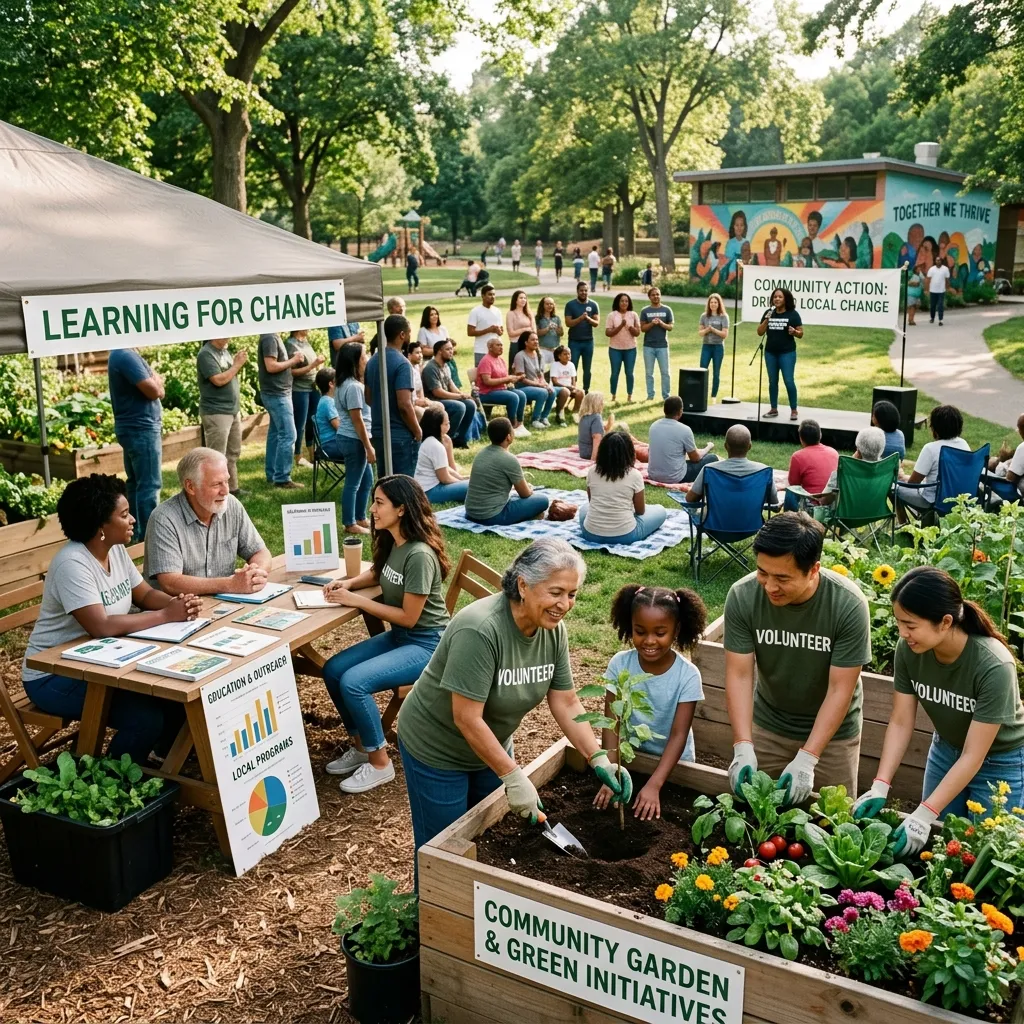
Organizers can choose from a vast array of program formats to engage their specific demographics. The most successful campaigns mix physical activity, educational seminars, and emotional support frameworks. Choosing the right format ensures high attendance and maximizes the overall financial and educational yield.
Athletic events remain incredibly popular for their ability to draw large crowds and secure corporate sponsorships. 5K runs, cycling marathons, and relay races symbolize the endurance required to battle illness. Participants gather pledges based on their physical output, turning sweat into tangible research dollars. These athletic challenges also promote healthy lifestyles, which naturally aligns with disease prevention goals.
Educational workshops offer a more subdued but equally important avenue for community engagement. Local hospitals and clinics frequently host open-house seminars featuring leading oncologists, nutritionists, and mental health professionals. These sessions provide attendees with actionable knowledge regarding genetic testing, dietary interventions, and recognizing early warning signs. Knowledge directly empowers citizens to take control of their physiological destinies.
- Charity Galas: Formal dinners and silent auctions attract high-net-worth donors and secure massive operational funding.
- Art Therapy Showcases: Exhibitions featuring artwork created by patients highlight the emotional journey of recovery.
- Memorial Vigils: Candlelight ceremonies offer a quiet, respectful space to honor those who have passed away.
Integrating Local Art and Culture
Incorporating local musicians, artists, and chefs into your programming broadens your audience. People who might not attend a strictly medical seminar will enthusiastically buy tickets to a charity concert or a localized food festival where proceeds benefit survivorship programs.
Tailoring Programs to Specific Demographics
You must adapt your approach based on your target audience. A program aimed at college students might feature a social media challenge or an e-sports tournament, while an initiative for retirees might center around educational luncheons and gentle wellness retreats.
How to Organize Successful Fundraising Campaigns
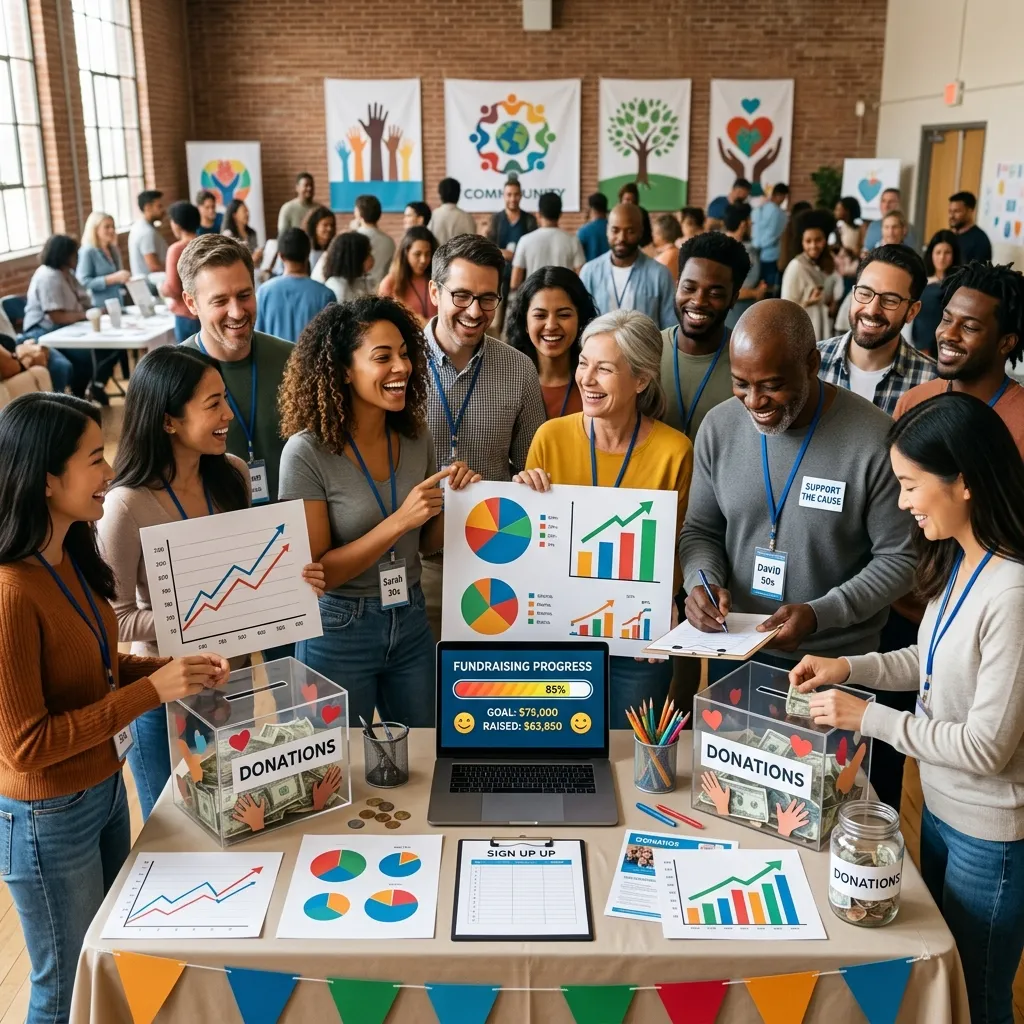
Launching a profitable and engaging campaign requires meticulous project management. You cannot simply announce a date and expect a massive turnout. Successful organizers treat these initiatives like professional business launches, employing strategic marketing, budgeting, and volunteer coordination.
Start by defining crystal-clear objectives. Determine exactly how much money you intend to raise and specifically where those funds will go. Transparency builds immense trust with potential donors. If people know their fifty dollars will directly purchase comfortable chemotherapy chairs for a local clinic, they are far more likely to contribute than if the funds go to a vague, undefined administrative pool.
Next, you must assemble a dedicated steering committee. Delegate specific responsibilities to individuals based on their professional strengths. Assign a local accountant to manage the budget, a marketing professional to handle social media outreach, and a logistics expert to secure permits and manage venue operations. Distributing the workload prevents organizer burnout and ensures every aspect of the campaign receives expert attention.
Leveraging Digital Donation Platforms
Modern fundraising relies heavily on digital infrastructure. Utilize peer-to-peer fundraising software that allows participants to create personalized donation pages. This gamifies the collection process, encouraging friendly competition among teams while making it incredibly easy for distant relatives to contribute securely online.
Securing Essential Permits and Insurance
Never overlook the legal and bureaucratic requirements of public gatherings. You must work closely with city councils to secure street closure permits, noise variances, and liability insurance. Failing to finalize these logistical details can result in heavy fines or the sudden cancellation of your hard work.
Virtual vs. In-Person Participation Dynamics
The landscape of community organizing shifted dramatically in recent years, introducing digital participation as a permanent fixture. Understanding the differences between physical and virtual gatherings helps you design a hybrid approach that maximizes global reach while maintaining local intimacy.
|
Feature |
In-Person Gatherings |
Virtual/Hybrid Gatherings |
|---|---|---|
|
Geographic Reach |
Limited to local residents and willing travelers |
Global accessibility for anyone with an internet connection |
|
Overhead Costs |
High (venue, security, catering, physical permits) |
Low (software subscriptions, digital marketing) |
|
Emotional Connection |
Extremely high through physical proximity and shared experience |
Moderate, requires highly engaging digital facilitation |
|
Accessibility |
Can be challenging for immunocompromised patients |
Highly accessible and safe for vulnerable populations |
|
Sponsorship Value |
Tangible banners, physical booths, product sampling |
Digital logos, sponsored streams, targeted email blasts |
As the comparison illustrates, both methods offer distinct advantages. The most resilient organizations now utilize hybrid models. They host a flagship physical gathering while simultaneously broadcasting the ceremonies online and offering digital fitness challenges for remote participants.
Engaging Local Businesses and Corporate Sponsors
Securing strong corporate philanthropy partnerships elevates a grassroots idea into a major regional initiative. Businesses want to align their brands with positive, community-centric causes. You simply need to present them with a mutually beneficial value proposition.
Begin by identifying local businesses whose values align with health and wellness. Gyms, organic grocery stores, and sporting goods retailers make excellent primary targets. When approaching these entities, do not just ask for cash. Offer them a tiered sponsorship package. In exchange for funding, provide them with prominent logo placement on participant t-shirts, exclusive mentions in press releases, and the opportunity to set up a promotional tent at the finish line.
In-kind donations also drastically reduce your operational expenses. A local printing company might donate all the promotional flyers, while a nearby supermarket might provide bottled water and snacks for volunteers. These non-cash contributions allow you to funnel a much higher percentage of your raised capital directly toward medical research and patient aid.
Building Long-Term Corporate Relationships
Treat your sponsors as long-term partners, not one-time ATMs. After the campaign concludes, send them a detailed impact report highlighting exactly what their money achieved, alongside high-quality photographs of their branding at the venue. This professionalism guarantees their continued support in subsequent years.
Implementing Workplace Giving Programs
Encourage local corporations to implement matching gift programs. When an employee donates to your cause, the company matches the contribution dollar-for-dollar. This strategy instantly doubles your revenue stream without requiring additional marketing effort on your part.
Essential Support Systems for Survivors and Families
The true measure of a successful health initiative lies in how it treats its most vulnerable participants. Raising money is crucial, but providing immediate, localized support to those currently battling illness defines the soul of your organization.
Establishing strong patient navigation networks within your local hospitals represents a massive step forward. These networks pair newly diagnosed individuals with seasoned survivors who understand the overwhelming nature of the medical system. Navigators help patients decipher complex medical jargon, arrange transportation to daily treatments, and locate financial assistance programs to cover the exorbitant costs of specialized care.
Furthermore, you must address the mental health toll the disease takes on entire families. Spouses and children often suffer silently as they assume heavy caregiving burdens. Organize specialized support groups that cater specifically to caregivers. Providing them with a safe space to vent their frustrations and share coping mechanisms prevents caregiver burnout and keeps families emotionally intact during prolonged medical battles.
Funding Professional Counseling
Consider allocating a portion of your raised funds directly toward free psychological counseling for local patients. Many insurance plans severely limit mental health coverage. Bridging this gap ensures patients maintain the psychological resilience required to endure aggressive treatment protocols.
Creating Comfortable Treatment Environments
Hospitals can feel cold and clinical. Use your community resources to upgrade local oncology wards. Donating soft blankets, installing better entertainment systems, or providing high-quality coffee machines for waiting rooms dramatically improves the daily lived experience of patients and their exhausted families.
Common Mistakes to Avoid When Planning Activities

Even the most well-intentioned organizers occasionally stumble. By studying the common pitfalls of community organizing, you can bypass unnecessary stress and ensure your initiatives run flawlessly.
One major mistake is failing to start the planning process early enough. Securing popular venues and high-profile guest speakers requires months of lead time. If you begin organizing a massive charity gala only four weeks in advance, you will face logistical nightmares, low ticket sales, and chaotic execution. You must establish a realistic timeline that builds in buffer periods for unexpected delays.
Another frequent error involves neglecting the post-campaign follow-up. Many organizers push incredibly hard right up until the day of the gathering, and then completely disappear once the tents come down. You must actively thank your volunteers, donors, and sponsors within forty-eight hours of completion. Failing to show prompt gratitude severs relationships and makes recruiting help for next year nearly impossible.
- Ignoring Accessibility Needs: Hosting programs at venues without wheelchair ramps or adequate seating alienates the very people you aim to support.
- Overcomplicating the Message: If your marketing materials use too much medical jargon, the general public will tune out. Keep your messaging clear and emotionally resonant.
- Lack of Contingency Planning: Always have a backup plan for outdoor activities. Rain or extreme heat can ruin months of work if you do not have an alternative indoor venue or a digital pivot ready.
Avoiding Donor Fatigue
Do not bombard your local community with constant, aggressive pleas for money year-round. Consolidate your fundraising efforts into a few high-impact windows. Respecting your donors’ financial boundaries ensures they remain enthusiastic supporters rather than feeling harassed.
The Danger of Vague Accounting
Never mix personal funds with charitable donations, even temporarily. Establish a dedicated bank account and utilize transparent accounting software. A single rumor regarding financial mismanagement will permanently destroy your organization’s credibility.
Expert Insights on Maximizing Community Impact
Experienced philanthropists and medical professionals emphasize several advanced strategies to elevate your localized efforts into truly transformative health movements. Adopting a strategic, data-driven mindset separates amateur fundraisers from community leaders.
Experts highly recommend prioritizing diverse representation on your planning committees. Illness affects every demographic, yet many awareness campaigns inadvertently target only narrow socioeconomic groups. By actively recruiting organizers from different cultural and economic backgrounds, you ensure your messaging and activities resonate across the entire community. This inclusivity drastically expands your reach and ensures marginalized neighborhoods receive the educational benefits of your hard work.
Additionally, professionals stress the importance of storytelling. Statistics validate your cause, but human stories drive action. Instead of merely stating that a specific illness affects thousands of people, share a compelling, respectful video of a local survivor detailing their journey. When the public connects a face and a localized narrative to the overarching cause, their willingness to volunteer and donate skyrockets exponentially.
- Utilize Micro-Influencers: Partner with local social media figures rather than chasing expensive national celebrities. Local influencers boast highly engaged, localized audiences perfect for driving regional attendance.
- Implement Feedback Loops: Send digital surveys to all participants the day after your activities conclude. Honest criticism helps you refine your approach and fix logistical blind spots.
- Focus on Sustained Education: Do not let the conversation die on the last day of the month. Use your established email lists to send out quarterly newsletters featuring ongoing research breakthroughs and healthy recipes.
Strategic Media Partnerships
Establish strong relationships with local news anchors and radio hosts months in advance. Offer them exclusive interviews with medical experts or inspiring survivors. Free, localized media coverage acts as the most powerful marketing tool in your arsenal, driving massive awareness without consuming your budget.
Leveraging Matching Grants
Seek out massive philanthropic foundations that offer challenge grants. If a foundation promises to match up to fifty thousand dollars in community donations, you create massive urgency. Donors rush to give, knowing their contribution will be instantly doubled, allowing you to hit ambitious financial targets rapidly.
Conclusion
Participating in and organizing Cancer Awareness Month Events fosters a resilient, educated, and deeply connected society. By utilizing strategic fundraising techniques, establishing robust survivor networks, and avoiding common planning mistakes, you can drive genuine medical progress. Take the first step today by volunteering for a local committee or organizing a small fundraiser, because every unified effort brings the world closer to a lasting cure.
FAQs
1. What exactly are Cancer Awareness Month Events?
These are structured community activities, ranging from educational seminars to athletic fundraisers, designed to educate the public about disease prevention, honor survivors, and raise crucial funding for clinical research and patient care.
2. How can I find local activities to participate in?
You can discover local initiatives by checking the official websites of major national health organizations, visiting the bulletin boards of your regional hospitals, or searching community Facebook groups dedicated to philanthropy and wellness.
3. Do I need a lot of money to organize a community program?
No. Many highly successful programs operate on shoestring budgets by relying on local business sponsorships, in-kind donations for venues and supplies, and utilizing free digital marketing channels to spread their message.
4. What is the most effective type of fundraiser?
Peer-to-peer athletic challenges, such as 5K walks or cycling relays, generally yield the highest financial returns. They combine mass participation with individual network fundraising, allowing you to reach thousands of micro-donors quickly.
5. How do these campaigns directly help patients?
Beyond funding long-term medical research, these initiatives often directly finance local support systems, including free psychological counseling, transportation to chemotherapy sessions, and upgraded, comfortable environments within regional oncology wards.
6. Can I participate if I am not physically able to run or walk?
Absolutely. Modern organizing heavily utilizes hybrid models. You can participate by volunteering at registration desks, helping manage social media accounts, organizing digital auctions, or simply attending virtual educational seminars from home.
7. How do I approach a corporate sponsor?
Research local businesses whose values align with community health. Create a professional, tiered sponsorship package detailing exactly what marketing benefits they will receive in exchange for their financial or in-kind support, and present it clearly to their marketing directors.
8. Why is it important to have a steering committee?
Attempting to organize a large gathering alone leads to severe burnout and logistical failures. A committee distributes the workload, allowing individuals to focus on their specific areas of expertise, such as accounting, marketing, or venue logistics.
9. What should I do after the campaign is over?
The immediate post-campaign phase is critical. You must rapidly send out personalized thank-you notes to all volunteers and sponsors, process the donations transparently, and publish a detailed impact report showing exactly what the community achieved together.
10. Are virtual programs as effective as physical gatherings?
Virtual programs are incredibly effective for raising funds and providing broad educational access, especially for immunocompromised individuals. While they may lack the intense emotional intimacy of physical gatherings, they offer unmatched global reach and very low overhead costs.
Cancer, Awareness, Events, Health, Community
