



In today’s digital landscape, the field of oncology has witnessed remarkable evolution, with cutting-edge methods emerging to improve patient outcomes and minimize side effects. Among these innovations, Nanotechnology Breakthroughs in Cancer Treatments have taken center stage, enabling clinicians to deliver therapies with unprecedented precision. By manipulating materials at scales between 1 and 100 nanometers, researchers are creating sophisticated platforms that carry therapeutic agents directly to malignant cells while sparing healthy tissues. This targeted approach not only enhances the effectiveness of conventional chemotherapeutics but also reduces systemic toxicity, offering patients a better quality of life during treatment.
Currently, this year (2026), advances in nanoparticle engineering, functionalization strategies, and imaging capabilities are driving a new era of personalized medicine. From liposomes and polymeric nanoparticles to inorganic gold and iron oxide-based systems, a diverse array of nanocarriers is under evaluation in laboratories and clinical trials. These platforms leverage natural tumor characteristics—like leaky vasculature and unique receptor profiles—to accumulate selectively in cancerous regions.As we delve into this comprehensive guide, readers will gain insights into the science behind nanocarrier design, targeted delivery mechanisms, diagnostic and theranostic applications, clinical progress, and future directions. By exploring peer-reviewed research from institutions such as the National Institutes of Health (https://www.nih.gov) and the National Cancer Institute (https://www.cancer.gov), we will illuminate the potential of Nanotechnology Breakthroughs in Cancer Treatments to revolutionize oncology and improve survival rates worldwide.
The Fundamentals of Nanotechnology Breakthroughs in Cancer Treatments
Nanotechnology Breakthroughs in Cancer Treatments rest upon the unique physicochemical properties of materials at the nanoscale. When matter is reduced to dimensions between one and a hundred nanometers, its surface-area-to-volume ratio increases dramatically, enabling enhanced reactivity, tunable optical behavior, and customizable surface chemistry. In oncology, engineers harness these attributes to develop nanocarriers capable of ferrying therapeutic payloads directly to tumors. These carriers can be programmed to respond to stimuli like pH shifts, temperature changes, and enzymatic activity—factors that are characteristic of the tumor microenvironment.
At the heart of passive targeting lies the enhanced permeability and retention (EPR) effect, a phenomenon that arises because tumor vessels are irregular, porous, and poorly organized. Nanoparticles in the 10–200 nm range slip through these gaps, accumulating in the tumor interstitium. While EPR provides a baseline accumulation, active targeting refines specificity by decorating particle surfaces with ligands—antibodies, peptides, or small molecules—that bind to overexpressed receptors on cancer cells. For example, folate-targeted nanoparticles home in on cells expressing folate receptor alpha, a receptor frequently upregulated in ovarian and lung cancers.
To maximize therapeutic indices, researchers carefully control parameters such as particle size, shape, surface charge, and hydrophobicity. Spherical particles often show predictable circulation profiles, while rod-shaped or disc-like nanoparticles can exhibit longer blood residence times. Surface coatings of polyethylene glycol (PEG) impart “stealth” characteristics, reducing protein adsorption and immune recognition. By adjusting these design elements, scientists ensure that nanocarriers remain stable in the bloodstream, avoid rapid clearance, and deliver payloads at optimal rates. The result is a toolkit of highly adaptable platforms that underpin the next wave of Nanotechnology Breakthroughs in Cancer Treatments.
Innovative Nanocarriers Transforming Cancer Drug Delivery

Delivering cytotoxic drugs selectively to tumors has long been a central goal in oncology. Traditional chemotherapeutics distribute broadly throughout the body, causing collateral damage to healthy cells and resulting in significant adverse effects. Nanotechnology Breakthroughs in Cancer Treatments address this challenge by encapsulating drugs within specialized carriers. Liposomes, for instance, are spherical vesicles with a phospholipid bilayer that can encapsulate both hydrophilic and hydrophobic drugs. Doxil®, a liposomal formulation of doxorubicin, exemplifies the success of this approach, offering reduced cardiotoxicity compared to free drug.
Polymeric nanoparticles, constructed from biodegradable polymers like poly(lactic-co-glycolic acid) (PLGA), provide controlled release profiles. PLGA microparticles degrade into lactic and glycolic acid—compounds naturally processed by the body—enabling sustained drug release over days or weeks. Researchers also develop pH-sensitive PLGA variants that disassemble in acidic tumor microenvironments, releasing their cargo precisely where it is needed. Such strategies elevate drug concentration at the tumor site while minimizing systemic exposure.
Dendrimers, highly branched macromolecules with precise architectures, offer high drug-loading capacities and multivalent interactions with tumor markers. Modifiable end-groups can be conjugated with targeting ligands or imaging moieties, creating multifunctional systems. Similarly, solid lipid nanoparticles (SLNs) marry the advantages of liposomes and polymeric carriers, providing solid lipid matrices that stabilize drugs and prolong circulation times. Finally, inorganic nanoparticles—gold nanoshells, silica particles, and superparamagnetic iron oxide nanoparticles (SPIONs)—enable combined therapeutic and imaging functions. For example, SPIONs serve as contrast agents for magnetic resonance imaging (MRI) while simultaneously delivering chemotherapy or enabling hyperthermia treatment.
Together, these nanocarriers embody the essence of Nanotechnology Breakthroughs in Cancer Treatments, offering tailored delivery solutions for a wide range of therapeutics. Ongoing research focuses on hybrid systems that integrate drug delivery, imaging, and responsiveness to multiple stimuli, setting the stage for more effective and personalized cancer care.
Precision Targeting Mechanisms in Nanomedicine
Central to the promise of Nanotechnology Breakthroughs in Cancer Treatments is the concept of precision targeting. Active targeting supplements the passive EPR effect by equipping nanoparticles with surface ligands that recognize and bind to receptors uniquely present or overexpressed on cancer cells. Common targets include folate receptors, transferrin receptors, HER2/neu, and integrins like ανβ3. By selecting the appropriate ligand, researchers can direct therapeutic payloads to specific tumor types, enhancing efficacy and reducing off-target interactions.
One outstanding example involves liposomal carriers conjugated with trastuzumab, an anti-HER2 monoclonal antibody. These immunoliposomes deliver doxorubicin selectively to HER2-positive breast cancer cells, lowering the risk of cardiotoxic events compared to unconjugated doxorubicin. Similarly, transferrin-modified nanoparticles exploit the high iron requirements of rapidly dividing cells, delivering drugs more effectively to glioblastoma and leukemia cells that overexpress transferrin receptors.
Stimuli-responsive nanoparticles further elevate precision. These “smart” systems remain inert during circulation and unleash their therapeutic cargo only once they encounter specific triggers within the tumor microenvironment. Acid-sensitive linkers cleave in the mildly acidic conditions of tumors, releasing drugs directly into the malignant tissue. Thermo-responsive materials, which respond to externally applied heat, and enzyme-responsive systems, activated by tumor-associated proteases, offer additional layers of control. Such approaches mitigate systemic toxicity, elevate local drug concentrations, and improve treatment indices.
Beyond small-molecule drugs, targeted nanocarriers are also being designed for gene therapy, using siRNA, mRNA, or CRISPR-Cas9 constructs to modulate oncogene expression. By coupling nucleic acids to lipid nanoparticles or dendrimers, researchers have demonstrated gene-silencing therapies that suppress tumor growth in preclinical models. These strides underscore the vast potential of targeted mechanisms in the ongoing evolution of Nanotechnology Breakthroughs in Cancer Treatments.
Diagnostic and Theranostic Advances in Nanotechnology

In modern oncology, the convergence of diagnosis and therapy—termed theranostics—has become a key focus area. Nanotechnology Breakthroughs in Cancer Treatments extend beyond drug delivery to encompass imaging and real-time monitoring. Inorganic nanoparticles such as gold nanoshells, quantum dots, and SPIONs serve dual roles, offering unique optical or magnetic properties that can be tracked noninvasively while simultaneously delivering therapeutics.
Quantum dots, semiconductor nanoparticles with size-dependent fluorescence, enable high-resolution imaging of tumor boundaries and molecular markers. By conjugating quantum dots with targeting ligands, clinicians can visualize early-stage metastases and monitor treatment responses using advanced imaging modalities. Gold nanoshells, which absorb near-infrared light and convert it into heat, facilitate photothermal therapy while allowing optical tracking of particle distribution.
Superparamagnetic iron oxide nanoparticles (SPIONs) stand out due to their compatibility with MRI. Clinicians can visualize the biodistribution of SPION-based carriers, gauge tumor uptake, and adjust treatment regimens on the fly. Moreover, combining SPIONs with photosensitizers or chemotherapeutic agents creates multifunctional platforms that permit simultaneous imaging, hyperthermia, and drug delivery—hallmarks of the theranostic revolution in oncology.
The integration of imaging and therapy offers significant clinical advantages: personalized treatment planning, dynamic dose modulation, and early detection of resistance. By monitoring nanoparticle accumulation and therapeutic efficacy in real time, clinicians can fine-tune protocols to maximize outcomes and minimize adverse effects. As research progresses at leading centers like the Massachusetts Institute of Technology and Stanford University, we can anticipate further refinement of theranostic nanoparticles in the context of this year (2026) clinical trials.
Clinical Landscape and Emerging Trends in Oncology Nanotech
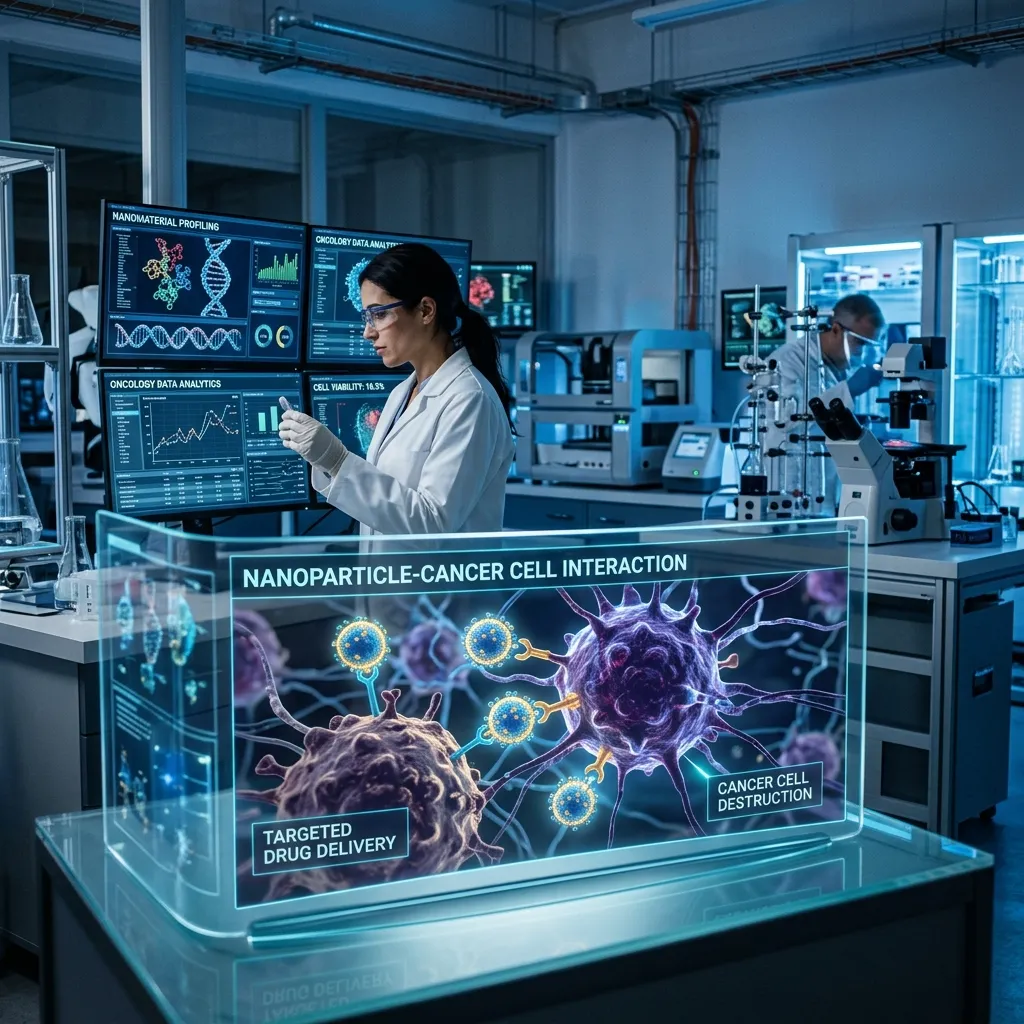
Nanotechnology Breakthroughs in Cancer Treatments have transitioned from laboratory benches to clinical settings, with several FDA-approved nanomedicines and numerous ongoing trials. Approved formulations include liposomal doxorubicin (Doxil®), liposomal daunorubicin (DaunoXome®), and albumin-bound paclitaxel (Abraxane®), which have demonstrated improved safety profiles and efficacy in diverse cancer types. Ferumoxytol, a superparamagnetic iron oxide nanoparticle, is approved for imaging applications and is under investigation for combined therapeutic roles.
Current trials are exploring advanced platforms such as polymeric micelles loaded with platinum-based drugs, dendrimer-mediated gene delivery systems, and gold-lipid hybrid nanoshells for combined photothermal and chemotherapy regimens. Early-phase results reveal promising response rates, reduced adverse events, and the feasibility of integrating nanomedicines into multimodal treatment plans.
Key factors influencing successful translation include scalable manufacturing methods, robust quality control protocols, and long-term safety assessments. Regulatory agencies such as the U.S. Food and Drug Administration and the European Medicines Agency have issued guidance documents to streamline evaluation pathways for nanotherapeutics. Collaborative initiatives between academia, industry, and government bodies aim to standardize characterization methods and facilitate patient access.
Looking ahead, emerging trends in oncology nanotechnology include personalized nanomedicines guided by patient-derived biomarkers and artificial intelligence algorithms. Exosome-based delivery systems, nanovaccine platforms that stimulate antitumor immunity, and biodegradable nanorobots for precision surgical assistance are on the horizon. Integration with immunotherapies such as checkpoint inhibitors and CAR-T cells may unlock synergistic effects, further enhancing the therapeutic arsenal against cancer.
Conclusion
Nanotechnology Breakthroughs in Cancer Treatments are reshaping the future of oncology by delivering unprecedented precision, reducing systemic toxicity, and merging diagnostic and therapeutic capabilities into unified platforms. From the fundamental science of nanoparticle design to the clinical realities of targeted delivery and theranostics, this year (2026) marks a pivotal moment in the ongoing evolution of personalized medicine. Approved treatments like Doxil® and Abraxane® demonstrate the tangible benefits of nanomedicine, while emerging therapies in clinical trials promise to expand the scope and efficacy of cancer care.Despite challenges in manufacturing scale-up, regulatory standardization, and long-term safety evaluation, multidisciplinary collaboration among researchers, clinicians, and regulatory agencies is accelerating progress. In today’s digital landscape, the convergence of biotechnology, materials science, and data analytics is driving innovative solutions that could transform survivorship and quality of life for millions of patients. As we move forward, continued investment in research, clinical validation, and equitable patient access will be essential to fully realize the potential of nanotechnology breakthroughs in the battle against cancer.
Frequently Asked Questions
1. What are nanotechnology breakthroughs in cancer treatments?
Nanotechnology breakthroughs in cancer treatments involve using extremely small particles (1–100 nanometers) to detect, target, and treat cancer cells more effectively. These innovations allow drugs to be delivered directly to tumors, minimizing damage to healthy tissues and improving overall treatment outcomes, safety, and patient quality of life.
2. How do nanoparticles improve cancer drug delivery?
Nanoparticles enhance drug delivery by encapsulating therapeutic agents and transporting them directly to tumor sites. They exploit tumor characteristics like leaky blood vessels and specific receptors, ensuring higher drug concentration in cancer cells while reducing exposure to healthy tissues, thus improving effectiveness and minimizing harmful side effects.
3. What is the EPR effect in nanomedicine?
The Enhanced Permeability and Retention (EPR) effect is a natural phenomenon where nanoparticles accumulate in tumor tissues due to their leaky vasculature and poor lymphatic drainage. This allows passive targeting of cancer cells, making nanotechnology-based treatments more efficient compared to traditional therapies that distribute drugs throughout the body.
4. What types of nanocarriers are used in cancer treatments?
Common nanocarriers include liposomes, polymeric nanoparticles, dendrimers, solid lipid nanoparticles, and inorganic particles like gold or iron oxide. Each type offers unique advantages, such as controlled drug release, improved stability, or combined imaging and therapy, enabling tailored treatment approaches for different cancer types and patient needs.
5. How does active targeting work in nanotechnology?
Active targeting involves attaching ligands like antibodies, peptides, or small molecules to nanoparticles. These ligands bind to specific receptors overexpressed on cancer cells, ensuring precise delivery of drugs. This method increases treatment accuracy, enhances drug uptake by tumors, and significantly reduces damage to surrounding healthy tissues.
6. What are theranostics in cancer nanotechnology?
Theranostics combines therapy and diagnostics in a single platform. Nanoparticles can simultaneously deliver treatment and provide imaging capabilities, allowing doctors to monitor how well a therapy is working in real time. This approach enables personalized treatment adjustments and improves early detection of treatment response or resistance.
7. Are nanotechnology-based cancer treatments currently available?
Yes, several nanomedicines are already approved and used clinically, such as liposomal formulations and nanoparticle-bound drugs. Additionally, many advanced nanotechnology therapies are in clinical trials, showing promising results in improving treatment effectiveness, reducing side effects, and expanding options for patients with various cancer types.
8. What are the benefits of nanotechnology over traditional chemotherapy?
Nanotechnology offers targeted drug delivery, reduced toxicity, improved drug stability, and controlled release. Unlike traditional chemotherapy, which affects the whole body, nanotechnology focuses treatment on cancer cells, leading to fewer side effects, better patient tolerance, and potentially improved survival and recovery outcomes.
9. What challenges does nanotechnology face in cancer treatment?
Challenges include large-scale manufacturing, maintaining consistent quality, long-term safety concerns, and regulatory approval processes. Researchers are also working to improve targeting accuracy and ensure nanoparticles behave predictably in the human body, which is essential for widespread clinical adoption and patient safety.
10. What is the future of nanotechnology in oncology?
The future includes personalized nanomedicine, AI-guided drug design, nanovaccines, and multifunctional nanoparticles that combine therapy, imaging, and immune activation. Innovations like biodegradable nanorobots and gene-editing delivery systems are also emerging, offering hope for more precise, effective, and less invasive cancer treatments worldwide.
