


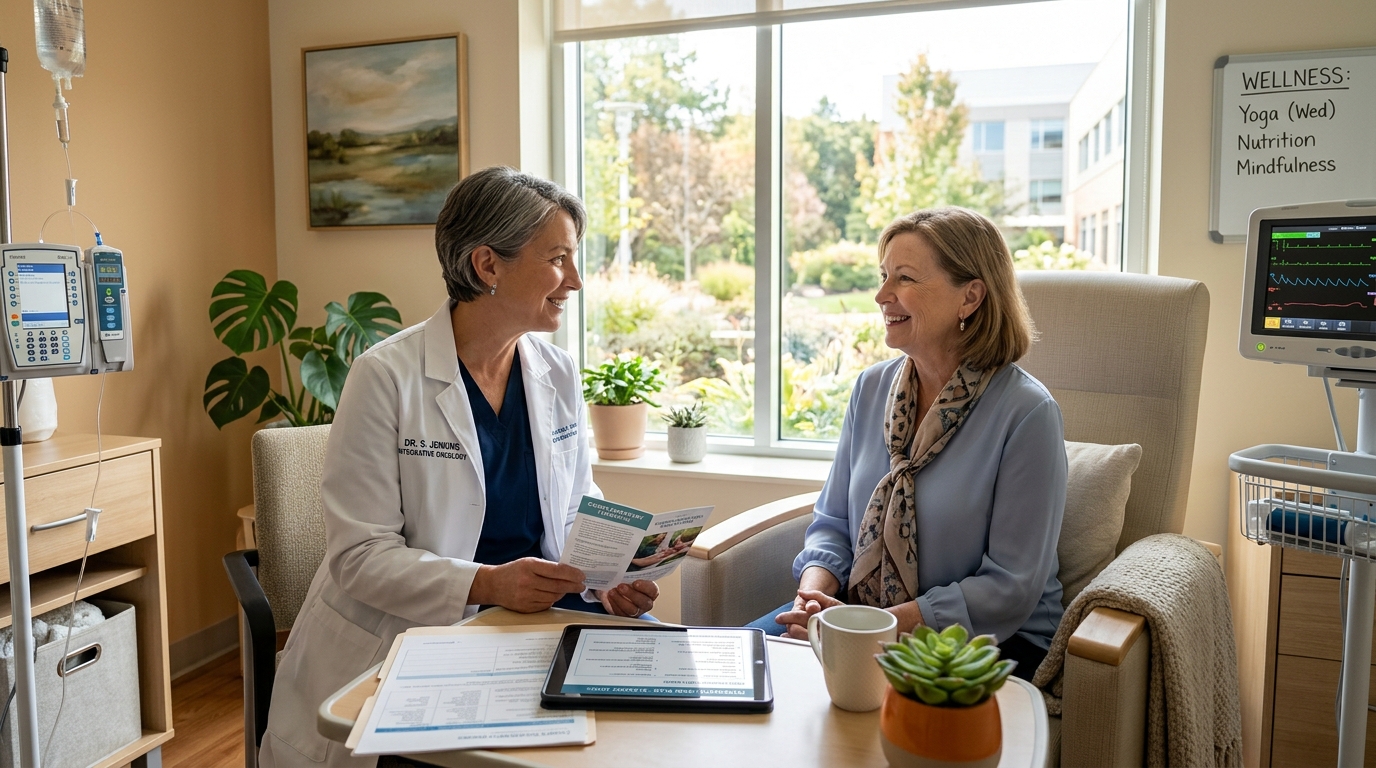
Cancer touches millions of lives every year, and the question of how to treat it has never been more complex — or more hopeful. Integrative cancer treatment brings conventional medicine and holistic therapies together, offering patients a more complete path to healing that addresses the body, mind, and spirit simultaneously.
This article explores how integrative cancer treatment works, why it matters, and what patients and caregivers need to know to make informed decisions. You will learn how conventional therapies like chemotherapy and radiation can be complemented by evidence-based holistic approaches such as acupuncture, nutrition therapy, and mind-body practices. We cover key treatment combinations, expert insights, common mistakes, and practical guidance for building a personalized integrative care plan.
What Is Integrative Cancer Treatment and Why Does It Matter
Integrative cancer treatment is not about choosing between conventional medicine and alternative care. It is about combining both in a way that is coordinated, evidence-informed, and centered on the whole person. The goal is to treat the cancer while also supporting the patient’s physical resilience, mental health, and quality of life throughout the process.
This approach has gained significant traction over the past two decades. The National Cancer Institute recognizes complementary and integrative medicine as a growing field within oncology, and major cancer centers like Memorial Sloan Kettering and MD Anderson now offer dedicated integrative oncology programs.
Research published in the Journal of the National Cancer Institute found that patients who participated in integrative oncology programs reported better management of treatment-related symptoms, including fatigue, pain, anxiety, and nausea. These are not trivial improvements. When a patient can eat, sleep, and maintain emotional stability during chemotherapy, their entire treatment trajectory changes.
The term “integrative” is important here. It signals that holistic therapies are used alongside — never instead of — proven medical treatments. Oncologists, naturopathic doctors, psychologists, nutritionists, and acupuncturists often work together within the same care team. This collaboration separates integrative oncology from unregulated alternative medicine, which can sometimes cause real harm if it leads patients away from proven treatments.
Understanding this distinction is the first step for anyone navigating a cancer diagnosis. Integrative care is not a rejection of science. It is an expansion of it.
How Conventional Cancer Treatments Form the Foundation
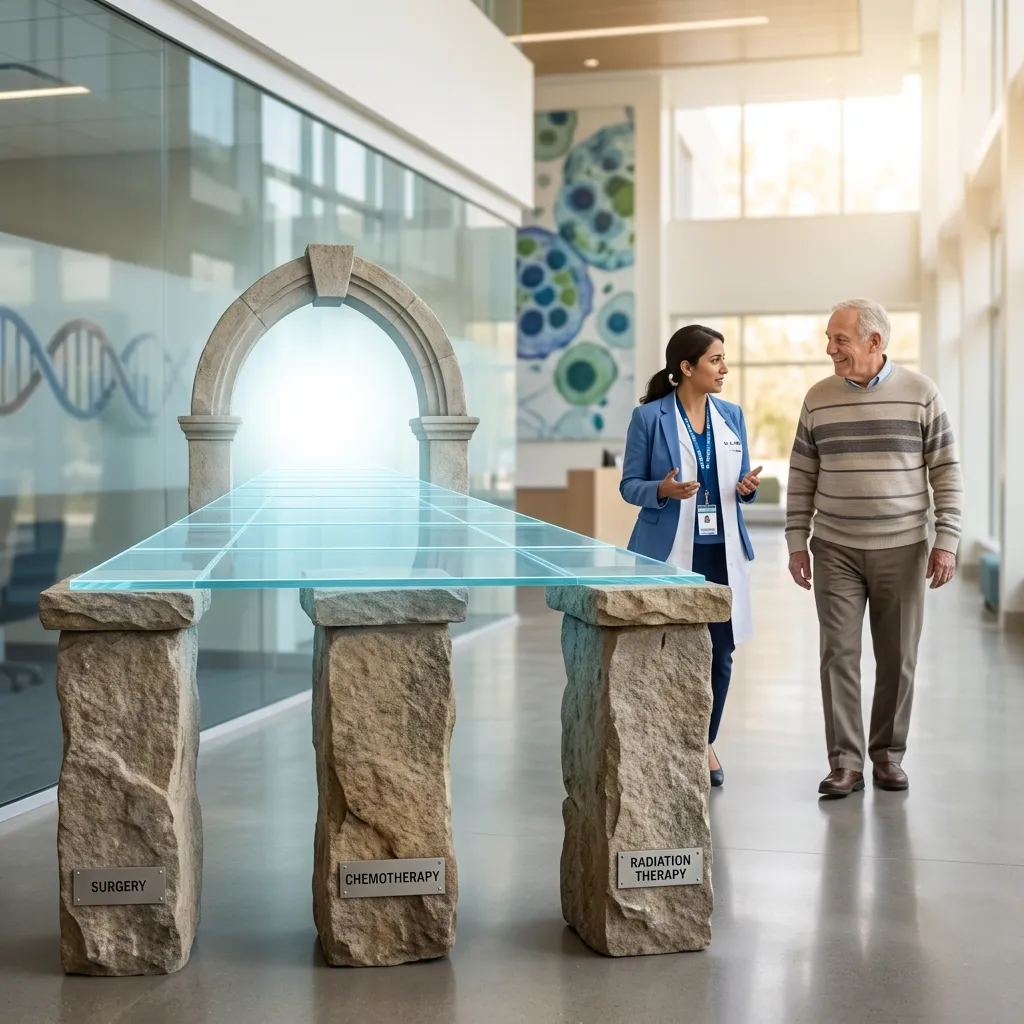
Before exploring holistic additions, it is essential to understand what conventional oncology already offers. These treatments form the non-negotiable foundation of any responsible integrative care plan.
Surgery, Chemotherapy, and Radiation
Surgery remains the most direct approach for many solid tumors. When a tumor is localized and accessible, surgical removal can be curative. Chemotherapy uses powerful drugs to kill rapidly dividing cancer cells throughout the body, making it essential for systemic cancers or those at risk of spreading. Radiation therapy delivers targeted energy to destroy tumor cells while minimizing damage to surrounding tissue.
Each of these carries side effects. Chemotherapy frequently causes fatigue, nausea, hair loss, and immune suppression. Radiation can lead to localized inflammation and skin changes. Surgery introduces recovery time and the risks associated with any major procedure. These side effects are precisely where integrative therapies can provide meaningful relief.
Targeted Therapy and Immunotherapy
Two of the most exciting developments in modern oncology are targeted therapy and immunotherapy. Targeted therapy uses drugs designed to attack specific molecular signals that cancer cells rely on to grow — for example, HER2-positive breast cancer responds to drugs like trastuzumab that block that specific protein. Immunotherapy, including checkpoint inhibitors like pembrolizumab, works by releasing the brakes on the immune system so it can recognize and attack cancer cells more effectively.
These newer approaches often produce fewer generalized side effects than traditional chemotherapy, though they introduce their own immune-related complications. Integrative care teams increasingly work to support patients through immunotherapy cycles with tailored nutrition and stress management protocols.
Hormone Therapy and Targeted Drug Combinations
Hormone therapy is a cornerstone of treatment for hormone-sensitive cancers like certain breast and prostate cancers. By reducing or blocking the hormones that fuel tumor growth, these therapies can dramatically slow disease progression. When combined with other targeted drugs, they form sophisticated treatment regimens that require careful monitoring and lifestyle support to manage long-term tolerability.
Understanding the conventional landscape helps patients and caregivers ask better questions and make better choices when adding holistic therapies to the mix.
The Role of Holistic Therapies in Supporting Cancer Care
Holistic therapies earn their place in integrative oncology not through anecdote but through accumulating clinical evidence. The key is knowing which therapies work, what the evidence says, and how to use them safely alongside medical treatment.
Acupuncture for Symptom Management
Acupuncture has one of the strongest evidence bases of any complementary cancer therapy. Multiple randomized controlled trials and meta-analyses support its effectiveness for chemotherapy-induced nausea and vomiting, cancer-related pain, and treatment-related fatigue. The Society for Integrative Oncology has published clinical practice guidelines recommending acupuncture for specific symptom clusters in cancer patients.
The mechanism involves stimulating specific anatomical points to influence the nervous system, promoting the release of endorphins and modulating pain signals. In a cancer care context, licensed acupuncturists who specialize in oncology work closely with medical teams to time sessions appropriately and avoid treatment sites, lymph nodes, or areas of compromised immunity.
Nutrition Therapy and Dietary Support
What a patient eats during cancer treatment matters enormously. Cancer and its treatments can alter metabolism, appetite, and nutrient absorption. A registered dietitian specializing in oncology can build a nutrition plan that maintains healthy body weight, preserves muscle mass, reduces inflammation, and supports immune function.
Evidence supports the benefit of diets rich in vegetables, whole grains, legumes, and lean protein while limiting processed foods, refined sugar, and excessive alcohol. Some research points to anti-inflammatory eating patterns, including Mediterranean-style diets, as supportive of better treatment outcomes and reduced recurrence risk. The American Cancer Society provides detailed, evidence-based dietary guidance for people undergoing treatment.
Importantly, patients should always disclose any supplements or significant dietary changes to their oncologist, as some can interfere with chemotherapy or reduce the effectiveness of radiation.
Mind-Body Practices: Meditation, Yoga, and Stress Reduction
Cancer treatment is not just a physical battle. Anxiety, depression, and existential distress are profoundly common among patients. Mind-body practices offer tools to process these emotional realities while also producing measurable physiological benefits.
Mindfulness-based stress reduction (MBSR), developed by Jon Kabat-Zinn and extensively studied in cancer populations, has been shown to reduce anxiety, depression, and sleep disturbance while improving quality of life. Gentle yoga practices adapted for cancer patients improve flexibility, reduce fatigue, and support psychological resilience. Even guided imagery and breathing exercises can reduce cortisol levels and improve immune markers.
These practices are not luxury add-ons. They are evidence-supported tools that help patients remain engaged in their treatment and maintain the emotional stamina that a cancer journey demands.
Conventional vs. Holistic Approaches: A Structured Comparison
Understanding how conventional and holistic therapies compare helps patients and caregivers make strategic, informed decisions about how to combine them.
|
Feature |
Conventional Therapy |
Holistic/Complementary Therapy |
|---|---|---|
|
Primary goal |
Eliminate or control cancer cells |
Support the whole person during treatment |
|
Evidence level |
Extensive clinical trials and FDA review |
Growing body of evidence; varies by therapy |
|
Administration |
Hospital, clinic, or infusion center |
Practitioner offices, home practice, wellness centers |
|
Side effect profile |
Often significant; carefully monitored |
Generally low risk when properly administered |
|
Insurance coverage |
Usually covered |
Often out-of-pocket; improving in some plans |
|
Role in care |
Non-negotiable foundation |
Complementary; never a replacement |
|
Personalization |
Increasingly tailored via genomics |
Inherently individualized to patient needs |
|
Provider coordination |
Oncologist-led team |
Requires communication with oncology team |
This table makes one thing clear: both approaches serve distinct and complementary functions. The goal is integration, not competition.
Building a Personalized Integrative Care Plan
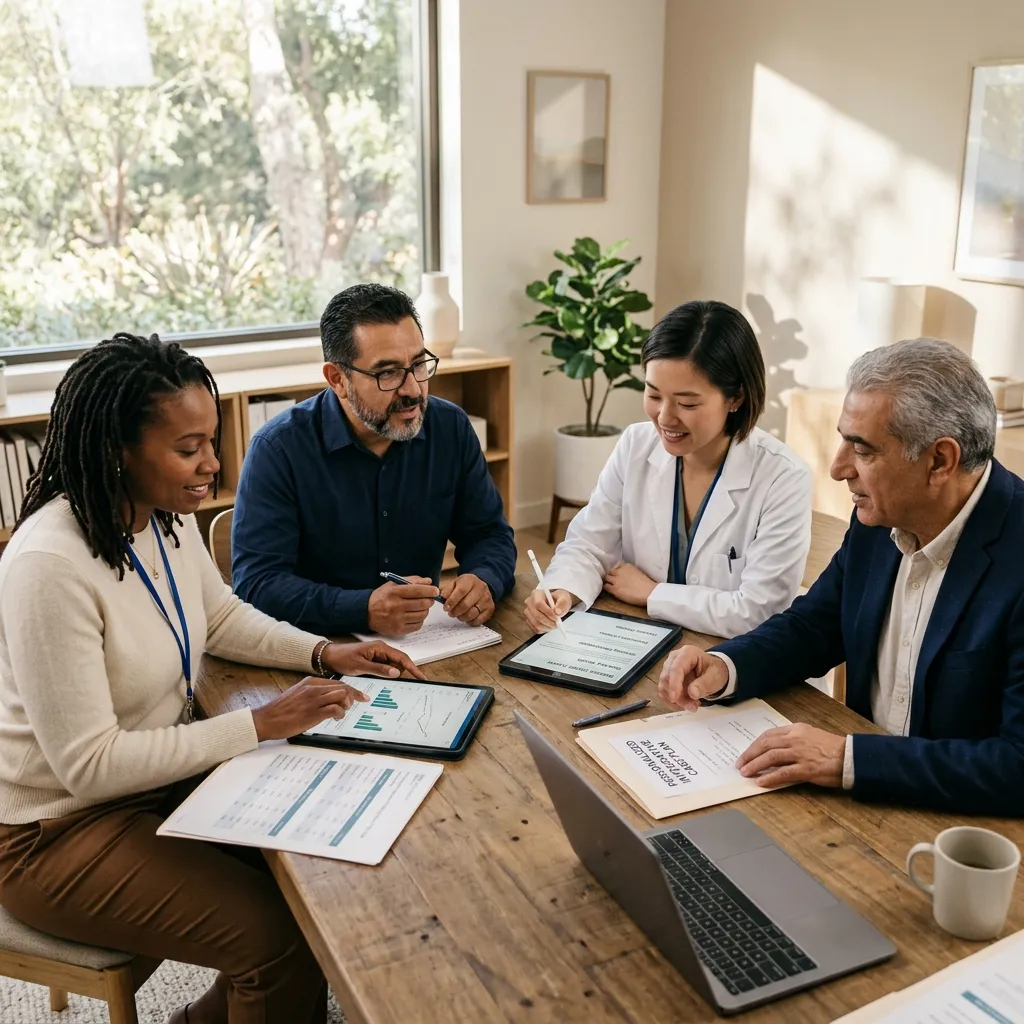
No two cancer journeys are identical. A person with stage two breast cancer has different needs than someone managing metastatic colorectal cancer or a patient in remission focused on preventing recurrence. A truly personalized integrative care plan accounts for cancer type, treatment phase, current symptoms, personal values, and lifestyle factors.
Start With Your Oncology Team
The first and most important step is open communication with your oncologist. Tell them everything you are considering, including supplements, dietary changes, acupuncture, and any other therapies. This is not about seeking permission. It is about safety and coordination. Some supplements, including high-dose antioxidants during chemotherapy, can interfere with treatment efficacy.
Ask your cancer center if they have an integrative oncology program or can refer you to practitioners with oncology experience. Many major cancer centers now have embedded integrative medicine departments staffed by physicians, nurses, dietitians, and therapists who understand the cancer context.
Identify Your Priorities and Symptom Burden
Which symptoms are affecting your quality of life most? Fatigue, nausea, pain, sleep problems, and anxiety are the most common drivers of interest in integrative therapies. Matching a specific therapy to a specific symptom — acupuncture for pain, MBSR for anxiety, nutrition counseling for weight loss — produces better outcomes than adopting a scattershot approach.
Create a Realistic, Sustainable Schedule
Cancer treatment is exhausting. Adding too many integrative appointments can create more stress than relief. Work with your care team to build a schedule that is realistic, prioritizes the highest-value interventions, and allows for rest and recovery.
Common Mistakes to Avoid in Integrative Cancer Care
Even well-intentioned patients can make choices that undermine their care. Being aware of these pitfalls can protect your safety and your treatment outcomes.
Keeping integrative therapies secret from your oncologist. This is the most dangerous mistake. Certain supplements, herbal remedies, and even some foods can interact with chemotherapy drugs or alter how your body metabolizes them. Always disclose everything.
Replacing proven medical treatment with alternative therapies. No herbal remedy, energy healing, or dietary protocol has been proven to cure cancer. Delaying or refusing surgery, chemotherapy, or radiation in favor of unproven alternatives is associated with significantly worse outcomes. The evidence on this point is clear and well-documented.
Choosing practitioners without oncology credentials. Not every acupuncturist, massage therapist, or nutritionist has training in cancer care. Seek out practitioners who have completed oncology-specific training or who work within cancer center programs.
Taking high-dose supplements without guidance. More is not better. High-dose antioxidant supplements in particular have been studied in the context of chemotherapy, and some evidence suggests they may protect cancer cells from treatment-induced damage. A registered oncology dietitian is your best resource here.
Expecting immediate results. Mind-body practices like meditation and yoga build their benefits over time. Patients who abandon these practices after a few sessions miss the cumulative benefits that consistent practice produces.
Choosing therapies based on online testimonials alone. Personal stories are powerful, but individual responses to any therapy vary enormously. Look for therapies that have clinical trial support, not just compelling anecdotes.
Expert Insights: What Integrative Oncologists Want Patients to Know
Leading integrative oncologists offer perspectives that go beyond what most articles cover. These insights reflect years of clinical experience working with cancer patients across all disease stages and treatment contexts.
Evidence first, open mind second. The most effective integrative oncologists apply the same rigorous standard to holistic therapies that they do to drugs. They ask what the evidence shows, what the mechanism is, and what the safety profile looks like. This protects patients from both reflexive rejection of helpful therapies and uncritical acceptance of harmful ones.
The therapeutic relationship matters. Patients in integrative care programs often report feeling more heard, more seen, and more in control of their experience. This sense of agency has real physiological correlates. Research on the placebo effect and the therapeutic alliance consistently shows that how care is delivered affects how the body responds to it.
Survivorship planning starts at diagnosis. Integrative oncology is not just for active treatment. Building healthy habits during treatment — regular movement, anti-inflammatory nutrition, stress management, adequate sleep — creates a foundation for long-term survivorship. Patients who establish these practices early are better positioned to reduce recurrence risk and maintain quality of life after treatment ends.
Communication is the most underused integrative tool. Encouraging patients to ask questions, advocate for themselves, and maintain social connections is itself a form of integrative care. Isolation, helplessness, and information overwhelm are genuine barriers to healing. Equipping patients to navigate these challenges is part of the work.
Spirituality and meaning are clinical concerns. For many patients, a cancer diagnosis triggers profound questions about meaning, mortality, and purpose. Spiritual care coordinators and palliative care specialists are valuable integrative team members who address dimensions of suffering that medical treatment alone cannot reach.
The Science Behind Integrative Oncology: What the Research Shows
The evidence base for integrative oncology has expanded rapidly over the past fifteen years. This is no longer a fringe field. Major academic medical centers, including Memorial Sloan Kettering, Johns Hopkins, and the University of Texas MD Anderson Cancer Center, maintain active integrative oncology research programs.
Key Research Findings
A landmark 2017 study published in JAMA Oncology examined over 1.9 million cancer patients and found that those who used complementary medicine were more likely to refuse conventional treatment and had a significantly higher risk of death from their cancer. This finding underscores the critical importance of using holistic therapies as complements, not replacements.
Conversely, a 2019 systematic review in the journal Integrative Cancer Therapies found that acupuncture significantly reduced cancer-related pain across multiple tumor types. A 2020 analysis found that mindfulness-based interventions produced clinically meaningful reductions in anxiety and depression among cancer patients.
Research on nutrition and cancer outcomes is also maturing. Higher adherence to plant-forward dietary patterns is associated with reduced all-cause mortality in cancer survivors. Obesity and metabolic dysfunction are established risk factors for cancer recurrence, making weight management through nutrition and physical activity a legitimate medical priority.
Exercise oncology is one of the fastest-growing areas of integrative research. Multiple randomized trials now show that structured aerobic and resistance exercise during cancer treatment reduces fatigue, preserves muscle mass, improves cardiovascular fitness, and may even enhance the effectiveness of some immunotherapy treatments by modulating the tumor microenvironment.
The National Center for Complementary and Integrative Health at the National Institutes of Health maintains a continually updated resource library covering the evidence for specific complementary therapies in cancer care. It is one of the most trustworthy starting points for evidence-based research on this topic.
Navigating the Emotional and Psychological Dimensions of Cancer Care
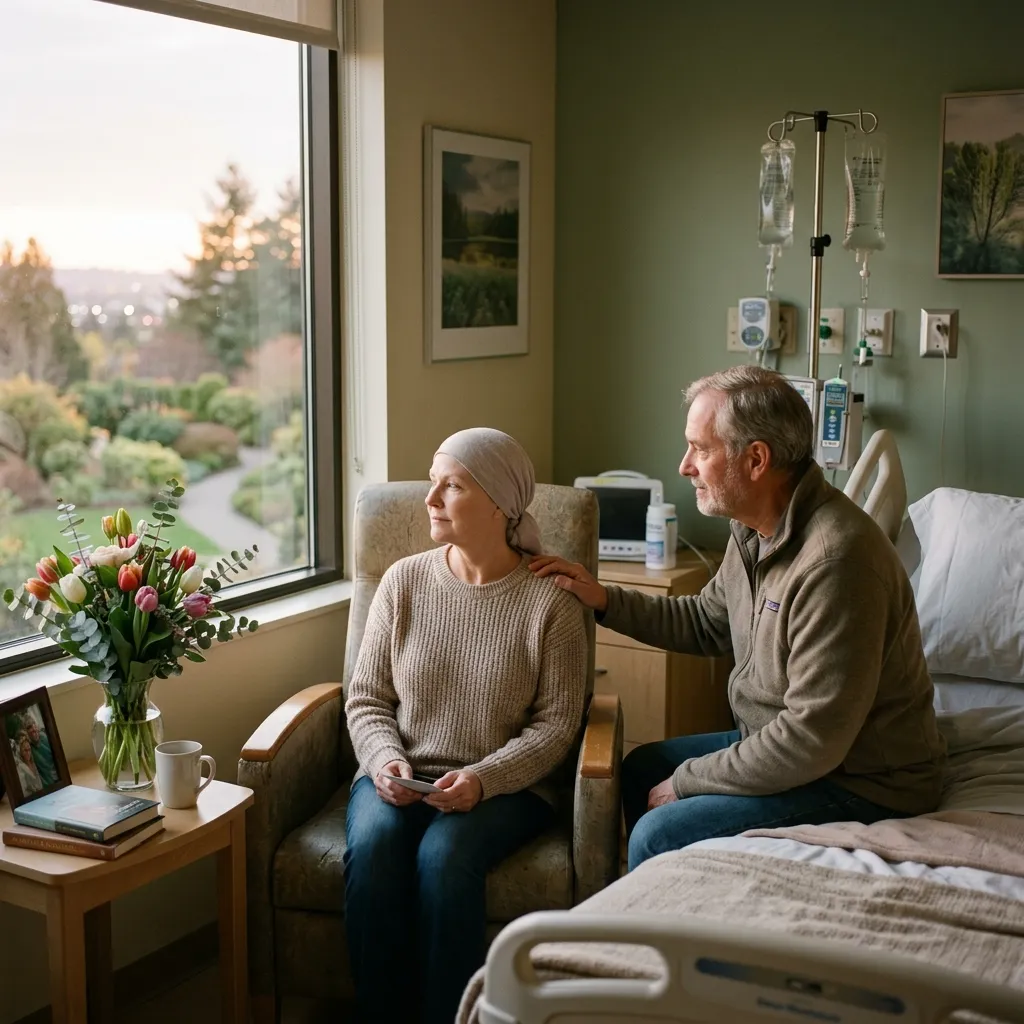
Cancer is as much an emotional experience as a physical one. Fear, grief, anger, and uncertainty are normal responses to a life-threatening diagnosis. Integrative oncology takes these dimensions seriously as clinical concerns, not as secondary issues to be addressed only after the “real” treatment is done.
Psycho-Oncology and Mental Health Support
Psycho-oncology is a specialized field focused on the psychological, social, and behavioral aspects of cancer. Psycho-oncologists, licensed clinical social workers, and cancer-specialized therapists provide evidence-based interventions including cognitive behavioral therapy, acceptance and commitment therapy, and grief counseling.
Research consistently shows that addressing depression and anxiety in cancer patients improves treatment adherence, reduces emergency department visits, and supports better overall outcomes. The emotional and biological dimensions of cancer are deeply interconnected. Chronic stress elevates cortisol, suppresses immune function, and promotes inflammation — all conditions that can work against healing.
Social Support as Medicine
Strong social connections are one of the most powerful predictors of cancer survival outcomes. Patients with robust support networks — whether through family, friends, faith communities, or peer support groups — consistently fare better than those who face cancer in isolation. Cancer support groups, both in-person and online, provide validated emotional relief, practical information, and a sense of shared experience that is genuinely therapeutic.
Encouraging patients to invest in their relationships and ask for help is not a soft suggestion. It is grounded in a substantial body of research linking social connection to immune function and mortality outcomes.
Conclusion
Integrative cancer treatment represents one of the most meaningful advances in modern oncology — not because it replaces what works, but because it extends care to every dimension of a person’s experience. When conventional medicine and evidence-based holistic therapies work together, patients gain more than symptom relief. They gain agency, resilience, and a care experience that honors their full humanity. If you or someone you love is navigating a cancer diagnosis, talk to your oncology team about integrative options today. You deserve the full picture.
Frequently Asked Questions
1. What is the difference between integrative cancer treatment and alternative cancer treatment?
Integrative cancer treatment uses holistic therapies alongside proven conventional treatments like chemotherapy, surgery, and radiation. Alternative cancer treatment replaces conventional care with unproven approaches. The distinction is critical because avoiding proven treatment is associated with significantly worse cancer outcomes. Integrative oncology is evidence-informed and coordinates all therapies through a qualified medical team.
2. Is integrative oncology safe during chemotherapy?
Most integrative therapies are safe during chemotherapy when properly coordinated with your oncology team. The key is full disclosure. Certain supplements — particularly high-dose antioxidants or herbal products — can interfere with chemotherapy efficacy. Practices like acupuncture, meditation, gentle yoga, and oncology massage are generally well-tolerated and beneficial during active treatment.
3. What does an integrative oncology program include?
A comprehensive program typically includes consultations with integrative medicine physicians, registered oncology dietitians, acupuncturists with oncology training, mental health professionals, and physical therapists or exercise physiologists. Programs at major cancer centers may also include massage therapy, spiritual care, and palliative care coordination. The specific offerings vary by institution.
4. Can nutrition really affect cancer treatment outcomes?
Yes. Research strongly supports the connection between nutrition and cancer outcomes. Maintaining healthy body weight, preserving muscle mass, and following anti-inflammatory dietary patterns can improve treatment tolerance, reduce fatigue, support immune function, and lower the risk of recurrence in some cancer types. Working with a registered oncology dietitian ensures your plan is safe and evidence-based.
5. Does exercise help during cancer treatment?
Yes, and the evidence is now strong enough that major oncology organizations recommend it. Structured aerobic and resistance exercise reduces cancer-related fatigue, preserves lean body mass, improves cardiovascular fitness, and supports psychological well-being. Emerging research also suggests exercise may enhance the effectiveness of immunotherapy by modulating the immune microenvironment. Exercise programs should be tailored to each patient’s current fitness level and treatment status.
6. How do I find a qualified integrative oncology practitioner?
Start by asking your oncologist for a referral to an integrative medicine department at your cancer center. The Society for Integrative Oncology maintains a directory of credentialed practitioners. Look for providers who have completed oncology-specific training and who communicate openly with your medical team. Avoid practitioners who claim to cure cancer with unproven methods.
7. Is acupuncture evidence-based for cancer patients?
Yes. Acupuncture has one of the strongest evidence bases of any complementary therapy in oncology. Clinical practice guidelines from the Society for Integrative Oncology support its use for chemotherapy-induced nausea and vomiting, cancer-related pain, cancer-related fatigue, and hot flashes associated with hormone therapy. It should be performed by a licensed acupuncturist with oncology-specific training.
8. What mind-body practices are most effective for cancer patients?
Mindfulness-based stress reduction has the strongest evidence base among mind-body practices for cancer populations, with demonstrated benefits for anxiety, depression, sleep quality, and quality of life. Gentle yoga adapted for cancer patients, guided imagery, progressive muscle relaxation, and breathing exercises also show meaningful benefits. The best practice is the one a patient will actually do consistently.
9. Can integrative therapies reduce cancer recurrence risk?
Some integrative lifestyle interventions are associated with reduced recurrence risk. Regular physical activity, healthy body weight, anti-inflammatory nutrition, and management of metabolic risk factors are all supported by evidence as modifiable factors that influence long-term outcomes in multiple cancer types. No complementary therapy has been proven to directly prevent recurrence, but lifestyle factors play a meaningful role in survivorship.
10. How do I talk to my oncologist about integrative care?
Be direct and specific. Tell your oncologist what therapies you are already using or considering and ask for their input on safety and appropriateness. Most oncologists welcome these conversations and can either advise you directly or refer you to an integrative medicine specialist. If your oncologist dismisses your interest without engaging, consider seeking a second opinion at a cancer center with a dedicated integrative oncology program.
