



Cancer touches millions of lives each year, but understanding Cancer Risk Factors can empower you to take control of your health. By learning how your daily habits, family history, and surroundings interact, you can make informed decisions to protect your future.
This comprehensive guide explores the primary Cancer Risk Factors categorized into lifestyle choices, genetic predispositions, and environmental exposures. You will discover how diet, physical activity, hereditary gene mutations, and everyday toxins impact your health. By the end of this article, you will be equipped with actionable strategies, expert insights, and practical tips to minimize your risk and optimize your well-being.
Lifestyle Factors Influencing Cancer Risk Factors
When evaluating Cancer Risk Factors, lifestyle choices are among the most significant yet controllable elements. The habits you engage in daily can either protect your cells or expose them to damage. Understanding how to manage these variables is the cornerstone of proactive health management and disease prevention.
The Impact of Smoking and Tobacco Use
Smoking remains one of the most deadly Cancer Risk Factors worldwide. Tobacco smoke contains thousands of chemicals, with dozens known to be highly carcinogenic. When you inhale smoke, these toxins enter your bloodstream and travel throughout your body, damaging DNA and impairing your cellular repair mechanisms.
Cigarette smoking is unequivocally linked to lung cancer, but its reach extends far beyond the respiratory system. It significantly elevates the risk of developing cancers of the mouth, throat, esophagus, pancreas, bladder, kidney, and cervix. Even exposure to secondhand smoke introduces these dangerous carcinogens into your system. Quitting smoking is the single most effective step you can take to lower your risk. Within years of quitting, your body begins to heal, and your risk profile steadily decreases toward that of a non-smoker. The Centers for Disease Control and Prevention provides extensive resources to help individuals overcome nicotine dependence and reduce these critical Cancer Risk Factors.
Alcohol Consumption and Cellular Damage
Many people overlook alcohol when considering Cancer Risk Factors, but regular consumption is a well-documented hazard. When your body processes alcohol, it breaks it down into acetaldehyde, a toxic chemical and probable human carcinogen. Acetaldehyde damages both your DNA and the proteins in your body, preventing cells from repairing the damage.
Alcohol consumption is firmly linked to cancers of the liver, breast, colon, esophagus, and head and neck. The risk increases with the volume of alcohol consumed; there is no entirely “safe” level of drinking when it comes to cancer prevention. Furthermore, combining alcohol with tobacco use multiplies the risk of developing mouth and throat cancers exponentially. To mitigate these Cancer Risk Factors, health authorities recommend limiting alcohol intake to no more than one drink per day for women and two for men, though abstaining entirely offers the best protection.
Diet: Nutrition as a Defense Mechanism
Your diet plays a massive role in mitigating or exacerbating Cancer Risk Factors. A diet heavy in processed foods, red meats, refined sugars, and unhealthy fats creates an inflammatory environment in the body, which can encourage cellular mutation. The World Health Organization has classified processed meats—like bacon, hot dogs, and deli meats—as Group 1 carcinogens, linking them directly to colorectal cancer.
Conversely, a nutrient-dense diet acts as a powerful shield. Consuming a diverse array of fruits, vegetables, whole grains, and lean proteins provides your body with essential antioxidants, vitamins, and minerals. These compounds neutralize free radicals, reduce chronic inflammation, and support robust immune function. High-fiber diets are particularly effective at lowering the risk of digestive tract cancers by ensuring waste moves efficiently through the body. Transitioning to a Mediterranean or plant-based diet is a proven strategy to minimize dietary Cancer Risk Factors.
The Dangers of Obesity
Obesity is rapidly catching up to smoking as one of the leading preventable Cancer Risk Factors. Excess body fat is not merely passive tissue; it acts like an endocrine organ, releasing hormones and inflammatory proteins into your bloodstream. High levels of insulin and estrogen produced by fat tissue can stimulate cell division and tumor growth.
Being overweight or obese increases your susceptibility to at least 13 different types of cancer, including breast (particularly after menopause), colorectal, endometrial, kidney, and pancreatic cancers. Maintaining a healthy weight through a balanced diet and regular physical activity is crucial. Even modest weight loss can significantly reduce systemic inflammation and hormone levels, effectively lowering your overall Cancer Risk Factors.
Physical Activity: Moving to Protect Your Cells
A sedentary lifestyle is an independent risk factor for several chronic diseases. Lack of physical activity contributes to weight gain, poor circulation, and immune system sluggishness. Engaging in regular exercise is a highly effective way to combat Cancer Risk Factors.
Physical activity helps regulate hormones, improves insulin sensitivity, and reduces inflammation. It also aids in efficient digestion, reducing the time harmful substances remain in your colon. The American Heart Association recommends at least 150 minutes of moderate-intensity aerobic exercise or 75 minutes of vigorous exercise each week. Incorporating strength training, brisk walking, cycling, or swimming into your routine not only helps you manage your weight but actively builds a biological environment that is hostile to cancer development.
Genetic Factors: Understanding Your Inherited Risk
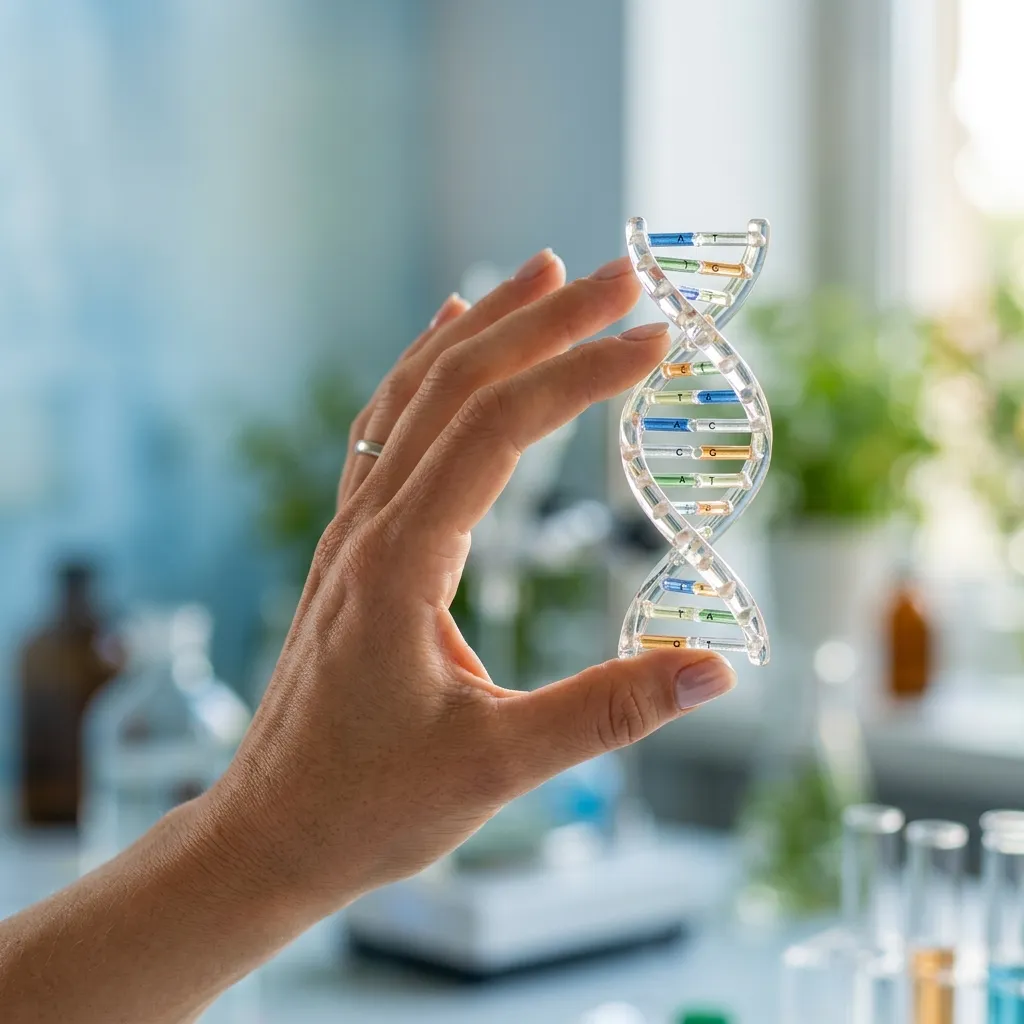
While you can change your lifestyle, you cannot change your DNA. Genetic Cancer Risk Factors play a crucial role in your overall health profile. Understanding your family history and genetic makeup allows you to take preemptive action through enhanced screening and preventative care.
Hereditary Risks and Family History
Most cancers develop due to gene mutations that occur over a person’s lifetime, but approximately 5% to 10% of all cancers are strongly linked to inherited genetic mutations. If multiple close blood relatives (such as parents, siblings, or children) have been diagnosed with the same type of cancer, or if family members were diagnosed at unusually young ages, hereditary Cancer Risk Factors may be present.
Cancers that commonly have hereditary links include breast, ovarian, colorectal, and prostate cancers. Knowing your detailed family medical history is the first step in identifying these inherited Cancer Risk Factors. Sharing this information with your primary care provider enables them to recommend earlier, more frequent, or specialized screening protocols tailored to your specific risk profile.
Specific Gene Mutations
Certain well-documented gene mutations significantly elevate your Cancer Risk Factors. The most widely known are the BRCA1 and BRCA2 mutations. In a healthy cell, these genes help repair damaged DNA. When they are mutated, they fail to function correctly, leading to a drastically increased risk of breast and ovarian cancers in women, as well as prostate and pancreatic cancers in men.
Another prominent example is Lynch syndrome, an inherited condition that increases the risk of colorectal cancer, endometrial cancer, and several other types. People with Lynch syndrome have a genetic defect that impairs the body’s ability to fix errors made when DNA is copied. Identifying these specific mutations empowers patients and doctors to monitor closely and intervene swiftly, dramatically altering the trajectory of these genetic Cancer Risk Factors.
The Role of Genetic Testing
Advancements in medical science have made genetic testing highly accessible, offering a powerful tool to identify hidden Cancer Risk Factors. Genetic testing involves analyzing a sample of your blood or saliva to look for specific mutations linked to cancer syndromes.
If you have a strong family history of cancer, meeting with a genetic counselor is a critical step. A counselor can help you understand the benefits, limitations, and emotional implications of testing. A positive result does not mean you will definitively develop cancer, but rather that you possess elevated Cancer Risk Factors. Armed with this knowledge, you can opt for proactive measures such as prophylactic surgeries, targeted therapies, or intensive surveillance to catch any abnormalities at their most treatable stages.
Environmental Causes and Toxin Exposure

Beyond our genetics and personal habits, the world around us introduces a variety of Cancer Risk Factors. Environmental carcinogens exist in the air we breathe, the sunlight we absorb, and the chemicals we interact with at home and work.
Air Quality and Pollution
Prolonged exposure to poor air quality is a well-established environmental risk. Outdoor air pollution, heavily laden with particulate matter from vehicle exhaust, industrial emissions, and coal-burning, is classified as a carcinogen. Inhaling these microscopic particles allows them to penetrate deep into lung tissue, causing chronic inflammation and cellular damage over time.
Indoor air quality also poses significant Cancer Risk Factors. Radon gas, a naturally occurring radioactive gas that can seep into homes through foundation cracks, is the second leading cause of lung cancer after smoking. Ensuring proper home ventilation, utilizing HEPA air purifiers, and conducting a simple, inexpensive radon test in your living spaces are highly effective strategies to mitigate these airborne Cancer Risk Factors.
Ultraviolet (UV) Radiation Exposure
One of the most common and avoidable Cancer Risk Factors is exposure to ultraviolet (UV) radiation from the sun and artificial sources like tanning beds. UV rays penetrate the skin and damage the DNA within skin cells, which can trigger mutations leading to melanoma, basal cell carcinoma, and squamous cell carcinoma.
The damage caused by UV radiation is cumulative, meaning every sunburn and tanning session adds to your overall risk. Protecting yourself requires daily vigilance: applying a broad-spectrum sunscreen with an SPF of 30 or higher, wearing UPF-rated protective clothing, and seeking shade during peak sunlight hours. Avoiding tanning beds entirely is essential, as they deliver highly concentrated doses of UV radiation, drastically accelerating these environmental Cancer Risk Factors.
Occupational and Chemical Exposure
Many individuals encounter Cancer Risk Factors in their workplaces or daily environments through chemical exposure. Substances such as asbestos, benzene, arsenic, beryllium, and vinyl chloride are notorious carcinogens. For example, asbestos exposure is the primary cause of mesothelioma, a rare cancer of the lung lining, while benzene (found in certain solvents and gasoline) is linked to leukemia.
Mitigating these occupational Cancer Risk Factors requires strict adherence to workplace safety regulations, including wearing appropriate personal protective equipment (PPE) like respirators and specialized clothing. At home, you can lower your exposure by choosing natural cleaning products, storing chemicals safely, and minimizing the use of synthetic pesticides and herbicides in your garden.
Common Mistakes to Avoid When Managing Risk of Cancer

Many people make well-intentioned but flawed decisions when attempting to lower their Cancer Risk Factors. Avoiding these common pitfalls can help you maintain a genuinely protective lifestyle.
- Relying on “Superfoods” Instead of Overall Diet: Believing that a single antioxidant-rich food (like blueberries or kale) can offset a generally poor diet is a major misconception. Cancer prevention relies on consistent, diverse, and balanced dietary habits.
- Ignoring Family History: Many people fail to map out their family’s medical background, missing crucial warning signs of genetic Cancer Risk Factors. Always document and share this history with your doctor.
- Assuming Vaping is Completely Safe: While marketed as a safer alternative to smoking, e-cigarettes still expose the lungs to harmful chemicals, ultrafine particles, and heavy metals that irritate lung tissue and pose potential long-term risks.
- Inconsistent Sun Protection: Applying sunscreen only at the beach is a common error. UV rays cause cumulative damage during everyday activities, such as driving or walking the dog. Daily SPF application is mandatory.
- Skipping Recommended Screenings: Skipping routine mammograms, colonoscopies, or Pap smears because you “feel fine” defeats the purpose of preventive medicine. Screenings catch precancerous changes before they become symptomatic.
Pro Tips and Expert Insights for Prevention
To proactively combat Cancer Risk Factors, medical experts recommend integrating these advanced, actionable strategies into your daily routine.
- Prioritize Sleep Hygiene: Chronic sleep deprivation impairs immune function and increases inflammation. Aim for 7 to 9 hours of uninterrupted, quality sleep each night to allow your body to repair cellular damage.
- Embrace the Mediterranean Diet: Experts consistently rank the Mediterranean diet—rich in olive oil, fish, legumes, and fresh produce—as optimal for cellular health due to its powerful anti-inflammatory properties.
- Stay Hydrated: Drinking plenty of water supports kidney function, helps flush out toxins, and aids in maintaining healthy bowel movements, which is vital for reducing colon-related Cancer Risk Factors.
- Advocate for Your Health: Build a strong, communicative relationship with your primary care provider. Don’t hesitate to ask for specific screenings or referrals to specialists if you feel your Cancer Risk Factors warrant closer attention.
- Manage Chronic Stress: While stress alone doesn’t directly cause cancer, chronic stress weakens the immune system and often leads to unhealthy coping mechanisms like overeating, smoking, or excessive drinking. Practice mindfulness, yoga, or deep-breathing exercises.
Conclusion
Understanding and managing Cancer Risk Factors is a lifelong commitment to your health and well-being. By making conscious lifestyle choices, remaining vigilant about your genetic history, and minimizing environmental exposures, you build a powerful defense against disease. Take control of your health today—schedule a wellness checkup with your doctor to discuss your personal risk profile and create a proactive prevention plan.
FAQs
1. What are the most common Cancer Risk Factors I can control?
The most impactful controllable Cancer Risk Factors include tobacco use, alcohol consumption, poor diet, obesity, physical inactivity, and excessive unprotected sun exposure. Making positive changes in these areas dramatically lowers your risk.
2. Can I inherit cancer from my parents?
You do not inherit cancer itself, but you can inherit genetic mutations (like BRCA1 or Lynch syndrome) that significantly increase your susceptibility to developing certain cancers. This represents your hereditary Cancer Risk Factors.
3. Does eating sugar directly cause cancer to grow?
While all cells, including cancer cells, use glucose for energy, eating sugar does not directly make cancer grow faster. However, consuming high amounts of refined sugar contributes to obesity and inflammation, which are major Cancer Risk Factors.
4. How much physical activity is needed to lower my risk?
Experts recommend at least 150 minutes of moderate aerobic activity (like brisk walking) or 75 minutes of vigorous activity per week, combined with strength training. Consistency is key to regulating hormones and minimizing Cancer Risk Factors.
5. Are artificial sweeteners considered Cancer Risk Factors?
Extensive research by major health organizations has found no clear evidence linking approved artificial sweeteners to an increased risk of cancer in humans. They are generally considered safe when consumed in moderation.
6. Why is age considered one of the leading Cancer Risk Factors?
As we age, there is more time for genetic mutations in our cells to build up. The body’s ability to repair damaged DNA also naturally declines over time, which is why the risk of cancer increases significantly in older adults.
7. Does stress cause cancer?
There is no direct biological evidence that stress alone causes cancer. However, chronic stress weakens the immune system and often triggers high-risk behaviors like smoking or heavy drinking, indirectly increasing your Cancer Risk Factors.
8. How does radon gas exposure happen, and how can I prevent it?
Radon is an invisible, odorless radioactive gas that naturally rises from the soil and can become trapped inside homes with poor ventilation. You can prevent exposure by purchasing an inexpensive home radon testing kit and sealing foundation cracks.
9. Do cell phones and microwaves emit radiation that causes cancer?
No. Cell phones and microwaves emit non-ionizing radiation, which is low-frequency and does not carry enough energy to damage DNA directly. They are not considered credible Cancer Risk Factors by major cancer research organizations.
10. When should I start getting screened for cancer?
Screening timelines depend on your age, gender, and personal Cancer Risk Factors. Generally, women should begin cervical screenings at 21 and mammograms at 40, while both men and women should start colorectal screenings at age 45. Always consult your doctor for a personalized schedule.
