


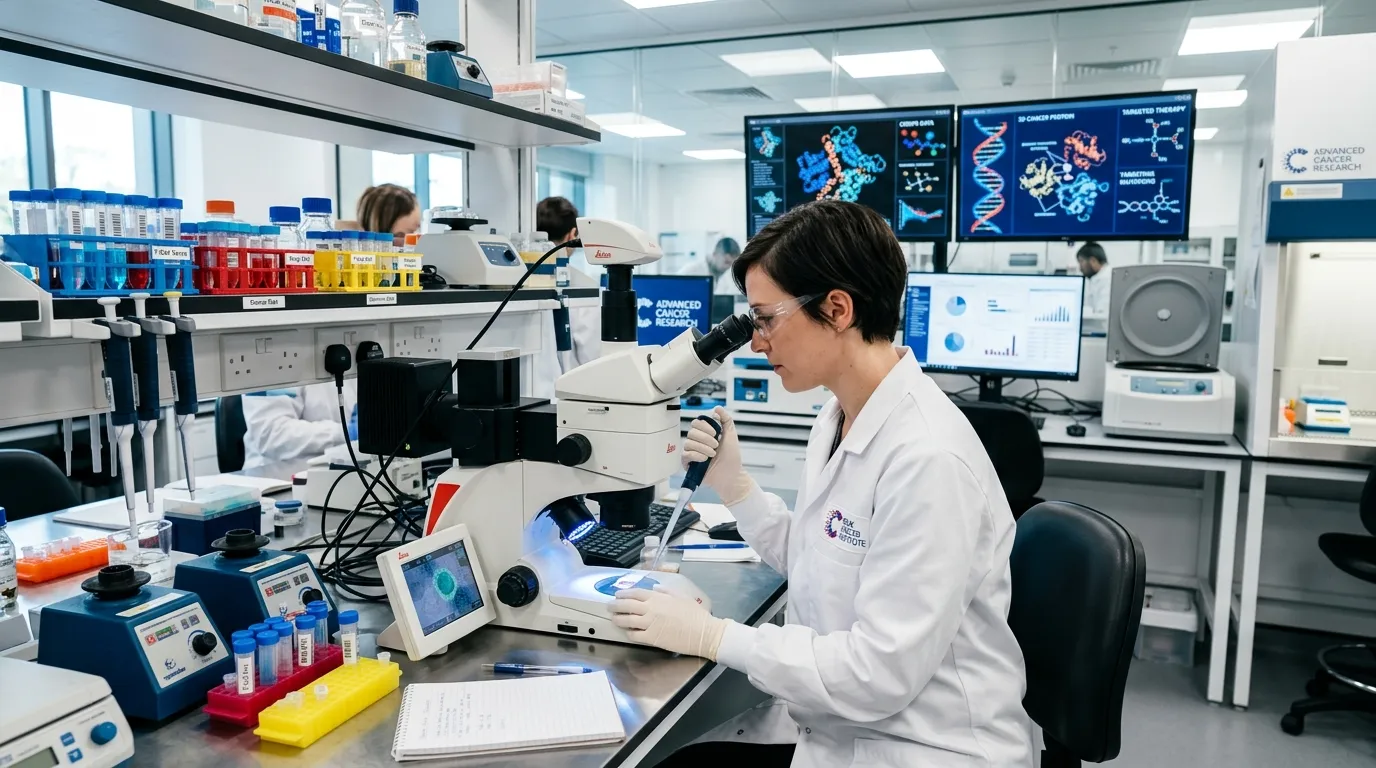
Cancer care is shifting fast, moving away from one-size-fits-all chemotherapy toward smarter, more precise options. This guide breaks down emerging cancer treatments, explaining how modern therapies attack tumors at the molecular level. You will learn what works, why it matters, and what to ask your care team.
This article explains how modern cancer therapies target the specific changes that drive tumor growth. You will explore targeted therapy, immunotherapy, antibody-drug conjugates, CAR-T and CAR-NK cell therapy, radiopharmaceuticals, and biomarker testing. We cover how treatments are matched to patients, why resistance happens, safety considerations, and the role of clinical trials. The goal is clear, trustworthy knowledge that helps you ask better questions.
What Are Emerging Cancer Treatments?
The newest wave of cancer care is built on a simple idea: attack what makes a tumor unique. Older treatments like chemotherapy kill fast-dividing cells throughout the body, which is why they cause widespread side effects. Newer approaches focus on the proteins, genes, and immune signals that let cancer grow and spread.
According to the National Cancer Institute, targeted therapy forms the foundation of precision oncology. Instead of treating every patient with the same drug, doctors test the tumor first, then choose a medicine designed for that specific molecular profile.
This change matters because tumors differ from person to person. Two people with the same cancer type may carry completely different mutations. Matching treatment to those mutations improves response and often reduces harm to healthy tissue. Major centers like MD Anderson and City of Hope now build personalized plans around these molecular signatures rather than relying on a single standard regimen.
Why this shift is happening now
Three forces drive this progress. First, genomic sequencing has become faster and cheaper, so tumor profiling is widely available. Second, researchers better understand the immune system’s role in fighting cancer. Third, clinical trials have proven that precise drugs can outperform older options in many tumor types. Together, these advances make personalized treatment a practical reality, not a distant promise.
Emerging cancer treatments succeed by targeting what makes each tumor distinct, replacing broad attacks with precise, evidence-based strategies.
How Targeted Therapeutic Solutions Work
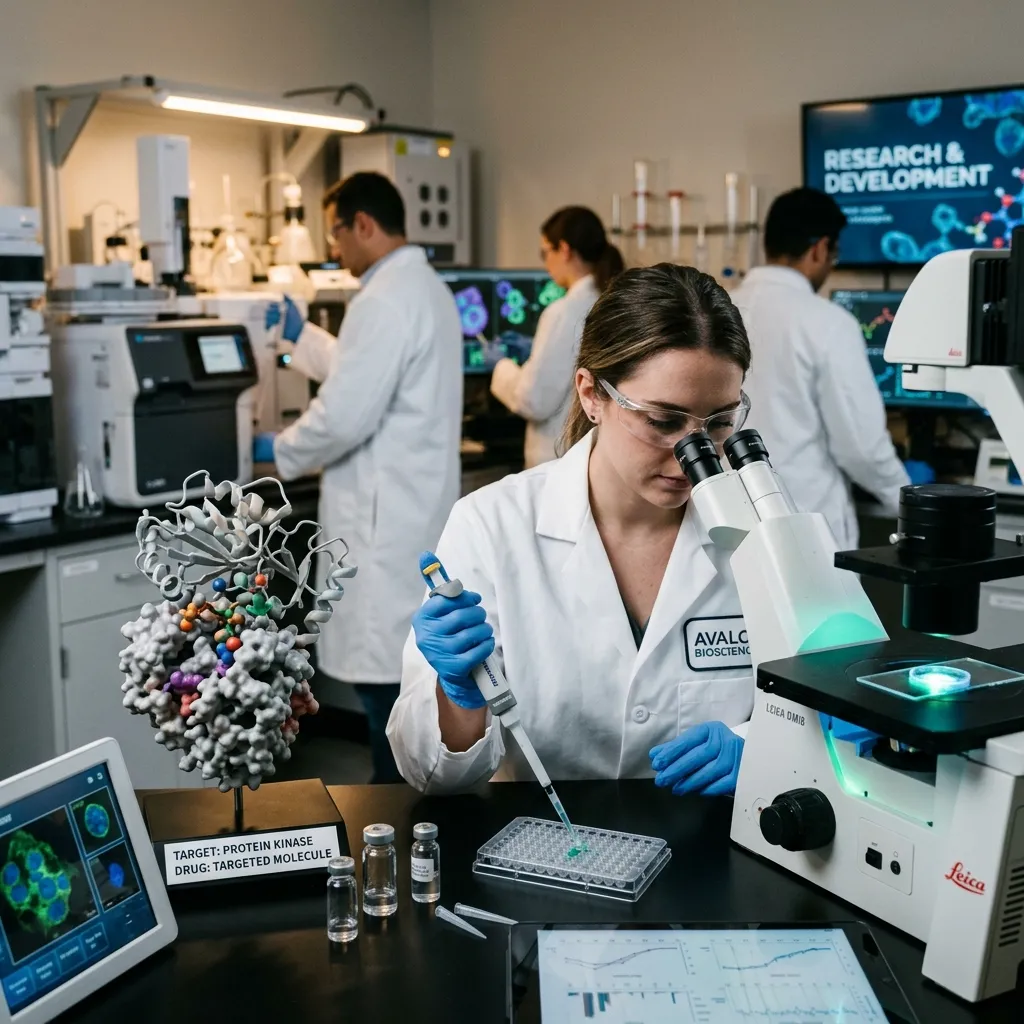
To understand modern oncology, you need to know what these drugs actually do inside the body. Cancer cells rely on specific proteins and signals to grow, divide, and avoid destruction. Targeted therapy interrupts those exact processes.
The National Cancer Institute describes several core mechanisms. Some drugs block the signals that tell cells to divide endlessly. Others stop tumors from forming new blood vessels, a process called angiogenesis, which starves the tumor of nutrients. Certain treatments flag cancer cells so the immune system can find and destroy them. Some deliver toxic payloads straight to tumor cells while sparing healthy ones.
This precision is the key difference from chemotherapy. Chemo damages many healthy cells along with cancer cells. Targeted approaches aim narrowly, which can mean better outcomes and a different, often more manageable, side effect profile.
The role of molecular targets
Every targeted drug needs a target. That target is usually a protein produced by a specific gene change in the tumor. For example, some breast cancers overproduce the HER2 protein, and several drugs are built specifically to attack HER2-positive cells. Without the right target present, the drug simply will not work, which is why testing comes first.
These therapies work by disrupting the precise machinery cancer depends on, making accurate molecular identification essential before treatment begins.
Key Categories of Modern Cancer Therapeutics
Emerging cancer treatments fall into several distinct families. Each works differently, and many are combined for stronger results. Understanding these categories helps you follow conversations with your oncology team.
Monoclonal antibodies
Monoclonal antibodies are lab-made proteins designed to attach to specific targets on cancer cells. Some mark cells for immune destruction, while others block growth signals directly. The National Cancer Institute notes that drugs like trastuzumab, pembrolizumab, and rituximab fall into this group. They are usually delivered through a vein and have transformed treatment for many blood and solid cancers.
Small-molecule drugs
Small-molecule drugs are tiny enough to slip inside cells, so they reach targets that antibodies cannot. They are often taken as pills or capsules, which adds convenience. A recent example from MD Anderson research is zongertinib, an oral HER2-targeted therapy that showed a 71% response rate in previously treated HER2-mutant non-small cell lung cancer, an unusually strong result for that subtype.
Antibody-drug conjugates
Antibody-drug conjugates, or ADCs, combine the precision of antibodies with the power of chemotherapy. The antibody finds the cancer cell, then delivers a cell-killing payload directly inside it. This design limits damage to healthy tissue. Enhertu, for instance, has improved survival for metastatic HER2-low breast cancer, expanding options for patients who previously had few.
CAR-T and CAR-NK cell therapies
Cell therapies reprogram the immune system to hunt cancer. In CAR-T therapy, a patient’s T cells are engineered to recognize a tumor marker, then returned to the body to attack. The FELIX study, co-led by MD Anderson researchers and published in The New England Journal of Medicine, supported FDA approval of obe-cel for advanced B-cell acute lymphoblastic leukemia, showing strong response rates with minimal immunotoxicity.
CAR-NK therapy uses natural killer cells instead. Research from MD Anderson’s Institute for Cell Therapy Discovery & Innovation is identifying ways to make these cells more powerful and resistant to suppression by solid tumors. This is an active and promising frontier in immunotherapy.
Radiopharmaceuticals
Radiopharmaceuticals deliver radiation directly to cancer cells. According to the National Cancer Institute, this emerging class binds to specific tumor targets and releases radiation precisely where it is needed, sparing surrounding tissue. They represent a fast-growing area of systemic, targeted radiation that blends precision with proven radiation science.
Here is a comparison to help you see how these categories differ at a glance.
|
Therapy Type |
How It Works |
Common Delivery |
Best Suited For |
|---|---|---|---|
|
Monoclonal antibodies |
Bind surface targets, flag or block cancer |
IV infusion |
Many solid and blood cancers |
|
Small-molecule drugs |
Enter cells to block internal signals |
Oral pill or capsule |
Cancers with specific gene mutations |
|
Antibody-drug conjugates |
Deliver chemo payload directly to cells |
IV infusion |
HER2-low and other marker-positive tumors |
|
CAR-T / CAR-NK |
Reprogram immune cells to attack |
Cell infusion |
Certain blood cancers, expanding research |
|
Radiopharmaceuticals |
Target-bound radiation delivery |
Injection or oral |
Prostate, neuroendocrine, and more |
Each category attacks cancer through a different route, and combining them often produces the strongest, most durable results.
Biomarker-Driven Treatment Selection
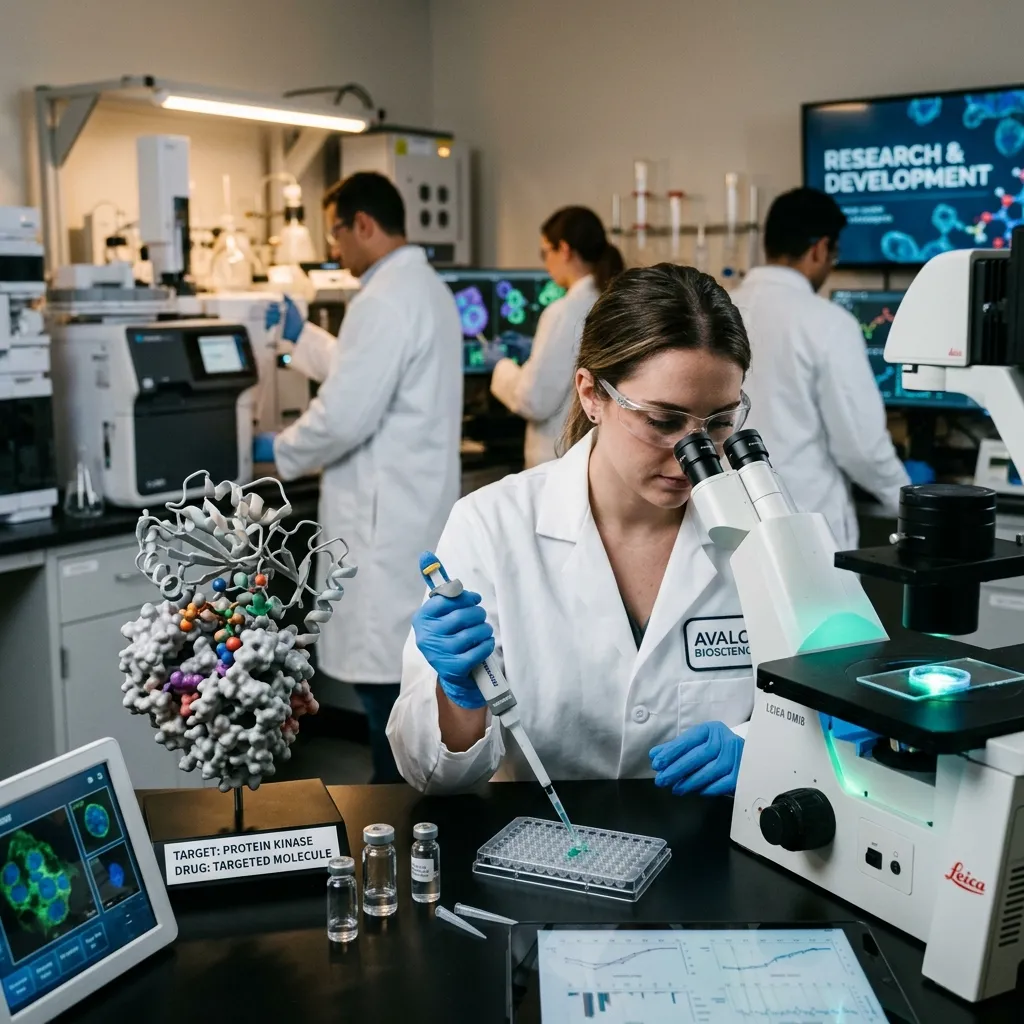
The most important step in modern cancer care happens before any drug is given. Biomarker testing examines the tumor for the specific changes that targeted drugs can exploit. Without it, precision treatment is guesswork.
The National Cancer Institute explains that testing identifies whether a tumor carries targets for available drugs. For some cancers, like chronic myelogenous leukemia, nearly every patient has a known target. For most others, a biopsy and molecular analysis reveal which therapy stands the best chance of success.
This matching process is the heart of precision oncology. MD Anderson research on BRAF V600E-mutated metastatic colorectal cancer shows the payoff. A triple regimen combining a BRAF inhibitor, an anti-EGFR antibody, and chemotherapy doubled overall survival to roughly 30 months compared with standard care. That benefit was only possible because molecular profiling identified the right patients.
How testing guides decisions
Testing answers several questions at once. It confirms whether a target exists, helps predict how aggressive a cancer may be, and can reveal which patients will benefit most from a given approach. Researchers are also discovering predictive biomarkers, such as specific gene mutations linked to far longer survival after immunotherapy in certain ovarian cancers. These insights refine treatment further.
Biomarker testing turns broad cancer categories into precise, actionable targets, making it the gateway to effective personalized treatment.
Understanding Treatment Resistance and Safety
No treatment is perfect, and honest care includes understanding limits. Two issues deserve attention: resistance and side effects.
Cancer cells can become resistant to targeted therapy over time. The National Cancer Institute notes that resistance happens when a target changes shape, or when cancer finds a new growth pathway that bypasses the drug entirely. This is why doctors often combine therapies or rotate strategies. Using more than one targeted drug, or pairing targeted treatment with chemotherapy or radiation, can slow or overcome resistance.
Safety also deserves a clear-eyed look. Early researchers assumed targeted drugs would be nearly side-effect free. Experience proved otherwise. Common effects include diarrhea, liver changes, high blood pressure, fatigue, skin and nail problems, and slower wound healing. Most of these fade after treatment ends, and many can be managed with supportive medicines.
Why combination strategies matter
Combining treatments is one of the strongest tools against resistance. A pre-surgical regimen for rare anaplastic thyroid cancer, studied at MD Anderson, paired two targeted drugs with an immunotherapy agent. The combination raised progression-free survival from under seven months to more than a year and allowed far more patients to undergo surgery. Smart combinations attack cancer from several angles at once.
Resistance and side effects are real, but combination strategies and careful monitoring help keep emerging treatments both effective and tolerable.
The Role of Clinical Trials in Driving Innovation
Almost every breakthrough in cancer care begins in a clinical trial. These studies test whether new drugs, combinations, or technologies are safe and effective before they reach wide use. For patients, trials can open doors to options not yet available anywhere else.
The National Cancer Institute runs and tracks clinical trials across the country, and major centers enroll thousands of patients each year. MD Anderson reports that a large share of recently approved cancer drugs were tested at its centers, underscoring how central trials are to progress. City of Hope likewise highlights trials as a path for patients who have exhausted standard options.
Trials are not a last resort. For many people, joining one early provides access to cutting-edge targeted therapy or cell therapy under expert supervision. Talk with your care team about eligibility, qualification criteria, and what participation involves.
What innovation looks like today
Recent trial-driven advances include first-in-class drugs that target DNA repair enzymes, new cell therapies, and biomarker-guided combinations. Many move quickly from trial results to accelerated FDA approval when results are strong. This pipeline is the engine behind the rapid expansion of treatment choices.
Clinical trials transform research into real options, often giving patients early access to the most advanced therapies available.
What Patients Should Ask Their Care Team

Knowledge is most powerful when it leads to better conversations. Being prepared helps you participate actively in decisions about your care. Use these questions as a starting point with your oncologist.
- Has my tumor had biomarker testing, and what did it reveal about treatment options?
- Are there targeted therapy, immunotherapy, or cell therapy choices matched to my specific cancer?
- What are the realistic benefits, risks, and side effects of each option you recommend?
- Am I eligible for any clinical trials, and how would participation work for me?
Asking these questions does not replace medical advice. It simply helps you and your team build a plan together. The best outcomes come from informed patients working closely with experienced specialists who understand precision oncology.
Bringing the right support
Cancer care involves a full team, not just one doctor. Dietitians, pain specialists, and nurses help manage side effects and protect quality of life. Centers like City of Hope also stress smoking cessation, since quitting can improve how well treatments work and lower the risk of recurrence. Surround yourself with a team that addresses both the cancer and your overall wellbeing.
Thoughtful questions and a strong support team turn complex treatment decisions into a shared, informed journey.
Common Mistakes to Avoid
Even well-informed patients and families can stumble. Knowing these pitfalls helps you steer clear of them.
Skipping biomarker testing is one of the biggest mistakes. Without it, you may miss a treatment perfectly suited to your tumor. Always confirm whether molecular profiling has been done.
Assuming newer always means better is another trap. The best therapy is the one matched to your specific cancer, not simply the latest headline. Some patients benefit most from established treatments or combinations.
Ignoring side-effect management can hurt outcomes too. Many effects are treatable, and reporting them early keeps treatment on track. Staying silent can lead to unnecessary suffering or treatment delays.
Finally, dismissing clinical trials too quickly limits options. Many patients wrongly view trials as a last resort. In reality, they often provide access to advanced targeted therapy under close expert care. Ask early rather than waiting.
Avoiding these mistakes keeps your treatment precise, tolerable, and aligned with the most current evidence.
Expert Insights and Pro Tips
Leading oncology centers share consistent guidance worth remembering. These insights reflect how top experts approach precision oncology today.
First, push for complete molecular profiling. The richer the tumor data, the better the match. Researchers at major centers credit advanced genomic testing with matching the right drug to the right patient at the right time.
Second, think in combinations. Many of the strongest recent results, from colorectal to thyroid cancer, came from pairing therapies rather than relying on a single drug. Combinations attack cancer through multiple pathways and can delay resistance.
Third, treat the whole person. Immunotherapy and targeted therapy work best when overall health is supported. Nutrition, smoking cessation, and side-effect care all influence results.
Fourth, stay curious about research. The field moves quickly, and a treatment unavailable last year may be approved now. Keep an open conversation with your team about emerging options and trials.
Expert care blends deep molecular insight, smart combinations, whole-person support, and an eye on the latest research.
Conclusion
The future of oncology is precise, personal, and fast-moving. Emerging cancer treatments work by targeting the exact changes that drive each tumor, from targeted therapy and antibody-drug conjugates to CAR-T cell therapy and radiopharmaceuticals. Talk with your care team about biomarker testing and clinical trials to explore the options best suited to you, and never stop asking informed questions.
Frequently Asked Questions
1. What are emerging cancer treatments in simple terms?
They are newer therapies that attack the specific molecular features driving a tumor, rather than killing all fast-growing cells like traditional chemotherapy. They include targeted therapy, immunotherapy, cell therapies, and radiopharmaceuticals. The goal is greater precision, often improving outcomes while reducing harm to healthy tissue. Treatment is chosen based on each tumor’s unique profile.
2. How is targeted therapy different from chemotherapy?
Chemotherapy kills rapidly dividing cells throughout the body, including healthy ones, which causes broad side effects. Targeted therapy focuses on specific proteins or gene changes inside cancer cells. According to the National Cancer Institute, this precision can mean better responses and a different side-effect profile, though targeted drugs still carry their own risks that require monitoring.
3. What is biomarker testing and why does it matter?
Biomarker testing analyzes a tumor to find the specific changes that targeted drugs can attack. It often requires a biopsy. The results show whether a treatment target exists and help predict how a cancer may behave. Without testing, matching the right drug to your cancer becomes guesswork, so it is a critical first step in precision oncology.
4. Are CAR-T and CAR-NK therapies safe?
These cell therapies reprogram immune cells to fight cancer and have shown strong results in certain blood cancers. The FELIX study supported FDA approval of obe-cel for advanced B-cell leukemia with minimal immunotoxicity. Like all treatments, they carry risks and require expert supervision. CAR-NK therapy is an active research area aiming for even safer, more effective options.
5. What are antibody-drug conjugates?
Antibody-drug conjugates combine an antibody that finds cancer cells with a chemotherapy payload delivered directly inside them. This design limits damage to healthy tissue. Enhertu, for example, has improved survival for metastatic HER2-low breast cancer. ADCs represent one of the most exciting categories of emerging cancer treatments because they unite precision with proven cell-killing power.
6. Can cancer become resistant to targeted therapy?
Yes. Resistance happens when a target changes shape or when cancer finds a new growth pathway that bypasses the drug. The National Cancer Institute notes this is why doctors often combine therapies. Pairing multiple targeted drugs, or adding chemotherapy or radiation, can slow or overcome resistance and extend how long a treatment keeps working.
7. What are radiopharmaceuticals?
Radiopharmaceuticals are drugs that deliver radiation directly to cancer cells. They bind to specific tumor targets and release radiation precisely where needed, sparing nearby healthy tissue. The National Cancer Institute describes them as an emerging class of systemic, targeted radiation. They are showing promise across several cancer types and represent a fast-growing field in modern oncology.
8. Should I consider a clinical trial?
Clinical trials test new treatments and can offer access to advanced options not yet widely available. Major centers like MD Anderson and City of Hope enroll many patients each year, and a large share of new drugs are tested through them. Trials are not only a last resort; ask your care team early about eligibility and what participation involves.
9. What questions should I ask my oncologist?
Ask whether your tumor has had biomarker testing, which targeted or immune therapies match your cancer, and what the realistic benefits and side effects are. Also ask about clinical trials you may qualify for. These questions help you make informed decisions with your team, though they do not replace personalized medical advice from your specialists.
10. Are emerging cancer treatments always better than older ones?
Not always. The best therapy is the one matched to your specific cancer, not simply the newest. Some patients benefit most from established treatments or thoughtful combinations. Effective care relies on molecular profiling, expert judgment, and shared decision-making. Work closely with your oncology team to choose the approach best suited to your individual situation.
