


Facing a diagnosis requires absolute clarity. Exploring comprehensive cancer treatment gives you the knowledge to navigate modern therapies, ensuring personalized care and better overall outcomes.
This guide explores modern oncology, breaking down surgery, radiation, chemotherapy, and advanced immunotherapy. We provide actionable insights, expert tips, and a breakdown of cutting-edge therapies so you can understand your options, avoid common pitfalls, and confidently navigate your unique recovery journey.
Understanding Comprehensive Cancer Treatment
When you receive a diagnosis, understanding your options becomes your most powerful tool. A comprehensive cancer treatment plan rarely relies on a single approach. Instead, multidisciplinary teams combine various therapies to target abnormal cells, prevent recurrence, and maintain your quality of life. Medical professionals design these protocols based on your specific genetic markers, tumor stage, and overall health.
By integrating both traditional methods and advanced scientific breakthroughs, oncologists create personalized roadmaps. Understanding these modalities helps you ask your doctor the right questions and take an active role in your care.
Core Pillars of Traditional Oncology
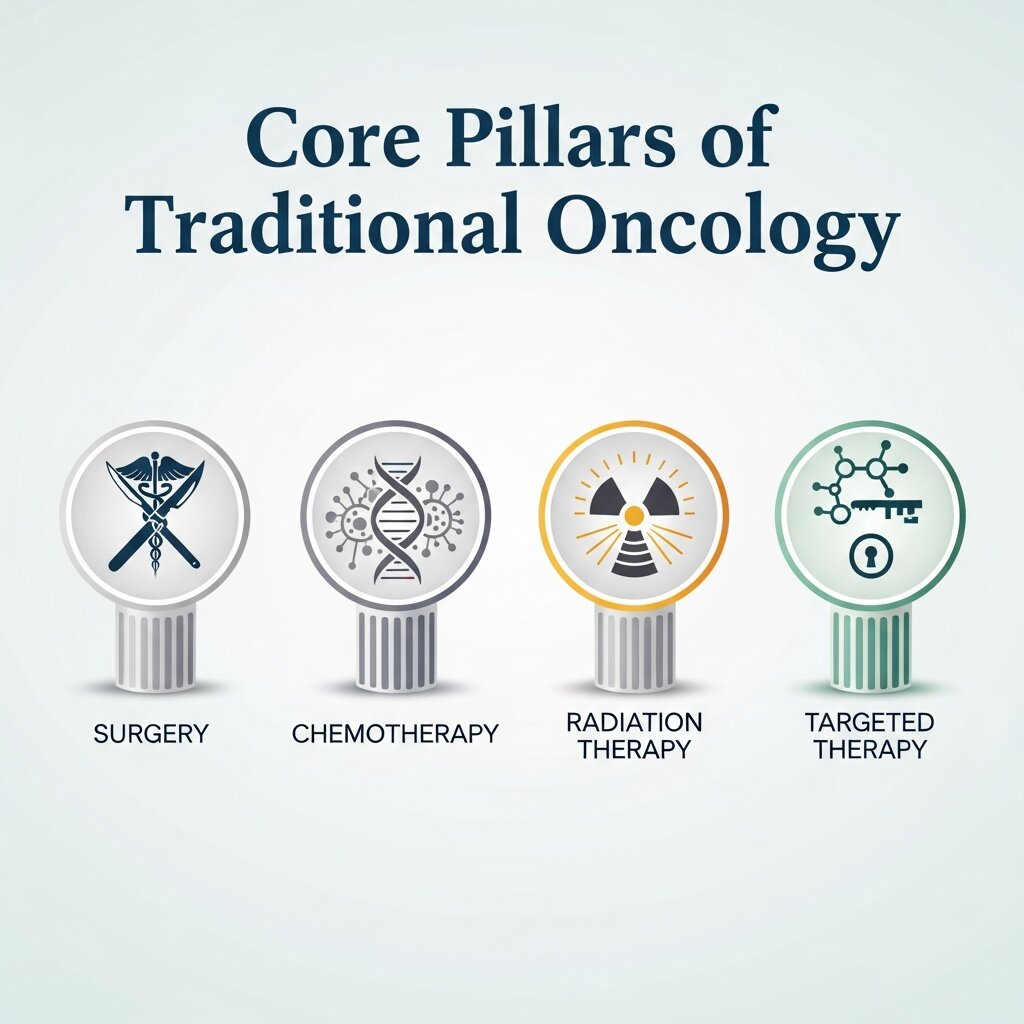
Traditional oncology forms the foundation of most treatment plans. Doctors have refined these methods over decades, backed by rigorous clinical data and peer-reviewed studies from institutions like the American Cancer Society.
Surgical Interventions
Surgery remains the most direct way to remove localized tumors. Surgeons physically extract the cancerous tissue, often taking a small margin of healthy tissue to ensure no microscopic cells remain.
- Curative Surgery: Removes the entire tumor when the disease is localized.
- Debulking Surgery: Removes a portion of the tumor to make subsequent treatments more effective.
- Palliative Surgery: Relieves symptoms and improves quality of life rather than curing the disease.
Radiation Therapy
Radiation therapy uses high doses of targeted energy to destroy cancer cells and shrink tumors. Medical teams use advanced imaging to direct beams precisely, minimizing damage to surrounding healthy tissue.
- External Beam Radiation: A machine directs high-energy rays from outside the body into the tumor.
- Brachytherapy: Doctors place a radioactive source directly inside or next to the tumor.
Section Takeaway: Traditional treatments remain highly effective for localized diseases. Discussing surgical recovery timelines with your care team ensures you prepare adequately for post-operative care.
Chemotherapy Protocols
Chemotherapy utilizes powerful drugs to kill fast-growing cells throughout the body. While it effectively targets widespread disease, it also affects healthy fast-growing cells, which causes well-known side effects. Doctors often combine chemotherapy with other treatments to maximize efficacy.
Advanced and Emerging Therapies
Modern medicine has ushered in a new era of highly specialized treatments. These advanced options target specific characteristics of cancer cells, offering new hope for complex cases.
Immunotherapy
Immunotherapy transforms your body’s immune system into a cancer-fighting machine. Tumors often hide from immune cells by sending deceptive signals. Immunotherapy drugs, such as checkpoint inhibitors, block these signals, allowing your T-cells to recognize and attack the disease.
Targeted Therapy
Unlike chemotherapy, which affects all rapidly dividing cells, targeted therapy hones in on specific genetic mutations that fuel tumor growth. By analyzing the DNA of your specific tumor, doctors can prescribe medications that block the exact proteins causing the cells to multiply.
Section Takeaway: Advanced therapies require extensive molecular profiling. We highly recommend reading about genetic testing for oncology to understand how doctors identify these critical biomarkers.
Comparing Modern Cancer Therapies
Understanding the differences between treatments helps you set realistic expectations for your journey.
|
Therapy Type |
Primary Mechanism |
Best Suited For |
Common Side Effects |
|---|---|---|---|
|
Surgery |
Physical removal of tumor |
Localized, solid tumors |
Pain, fatigue, infection risk |
|
Radiation |
High-energy beams destroy DNA |
Localized targeting |
Skin irritation, localized fatigue |
|
Chemotherapy |
Systemic drugs kill fast-growing cells |
Widespread/metastasized cancer |
Nausea, hair loss, fatigue |
|
Targeted Therapy |
Blocks specific cancer-growing proteins |
Cancers with specific genetic markers |
Liver issues, skin rashes |
|
Immunotherapy |
Boosts natural immune response |
Various advanced cancers |
Autoimmune-like inflammation |
Common Mistakes to Avoid During Treatment
Navigating treatment protocols can feel overwhelming. Avoid these common pitfalls to ensure the best possible outcomes:
- Ignoring Nutritional Needs: Proper nutrition fuels your recovery. Skipping meals or eating highly processed foods depletes your energy. Consult a specialized dietitian.
- Isolating Yourself: Mental health directly impacts physical recovery. Reach out to support groups and leverage your network.
- Relying Solely on Dr. Google: The internet contains vast amounts of outdated information. Always verify findings with your primary oncologist or trusted sources like the National Cancer Institute.
- Skipping Follow-up Appointments: Post-treatment monitoring is vital for catching potential recurrences early.
Pro Tips and Expert Insights
To maximize the effectiveness of your comprehensive cancer treatment plan, consider these expert strategies:Maximizing treatment success requires proactive engagement and informed decision-making. Keeping a daily symptom journal helps track side effects and improves communication with your care team. Seeking a second opinion can confirm diagnoses and reveal alternative therapies or clinical trials. Early integration of palliative care supports symptom management and enhances quality of life. Staying organized with medical records, appointments, and medications reduces stress during treatment. Open communication with healthcare providers ensures timely adjustments to your care plan, helping prevent complications and improve outcomes throughout your cancer journey.
- Keep a Symptom Journal: Track your daily symptoms, energy levels, and pain scales. This precise data helps your doctor adjust medications efficiently.
- Get a Second Opinion: Leading oncologists encourage second opinions. It confirms your diagnosis and exposes you to alternative clinical trials or specialized protocols.
- Prioritize Palliative Care Early: Palliative care focuses on symptom management and stress reduction. Integrating it early improves your overall quality of life during harsh treatments.
Section Takeaway: Proactive communication with your medical team prevents minor side effects from becoming major complications. Explore our resources on patient advocacy strategies to learn how to communicate effectively with specialists.
Building Your Support System
Medical treatments form only one part of your recovery. A robust support system accelerates healing and protects your mental health. Engage family members, join local survivor networks, and consider professional counseling. Emotional resilience plays a massive role in tolerating aggressive therapies.
Integrative and Complementary Approaches
Integrating complementary approaches can support standard medical treatments and improve overall well-being.Integrative approaches combine standard medical treatments with supportive therapies to improve overall well-being. Nutrition therapy focuses on balanced diets rich in essential nutrients to support recovery and immunity. Mind-body practices like meditation, yoga, and breathing exercises help reduce stress and anxiety. Physical activity maintains strength and boosts energy levels during treatment. Complementary therapies such as acupuncture and massage may relieve pain and side effects. However, patients should always consult their healthcare team before starting any alternative methods to ensure safety and compatibility with their primary treatment plan.
- Nutrition Therapy: Focus on balanced meals rich in antioxidants, lean protein, and whole grains to enhance immunity and recovery.
- Mind-Body Practices: Techniques such as yoga, mindfulness meditation, and breathing exercises help manage anxiety and improve mood.
- Physical Activity: Regular exercise boosts energy levels, maintains muscle mass, and may lower recurrence risk.
- Alternative Therapies: Acupuncture, massage, and art therapy can alleviate side effects and enhance quality of life. Always check with your care team before starting any new therapy.
The Role of Technology in Cancer Care
Modern technology is transforming the way cancer is diagnosed, monitored, and treated.Technology is revolutionizing cancer care by improving diagnosis, treatment precision, and patient monitoring. Telemedicine enables remote consultations, making expert care more accessible. Precision medicine uses genetic testing to tailor therapies based on tumor characteristics, increasing effectiveness. Artificial intelligence helps analyze complex data, detect patterns, and support clinical decisions. Wearable devices track vital signs, activity levels, and recovery progress in real time, allowing doctors to adjust treatments quickly. These innovations enhance patient outcomes, reduce treatment delays, and create more personalized care experiences, ultimately transforming how cancer is managed from diagnosis through recovery.
- Telemedicine: Virtual consultations make it easier to access specialists, receive second opinions, and manage follow-up care from home.
- Precision Medicine: Genetic testing and data analysis guide treatment choices for better outcomes.
- Wearable Health Devices: Track activity, sleep, and vital signs to provide real-time data for your care team.
Survivorship and Life After Treatment
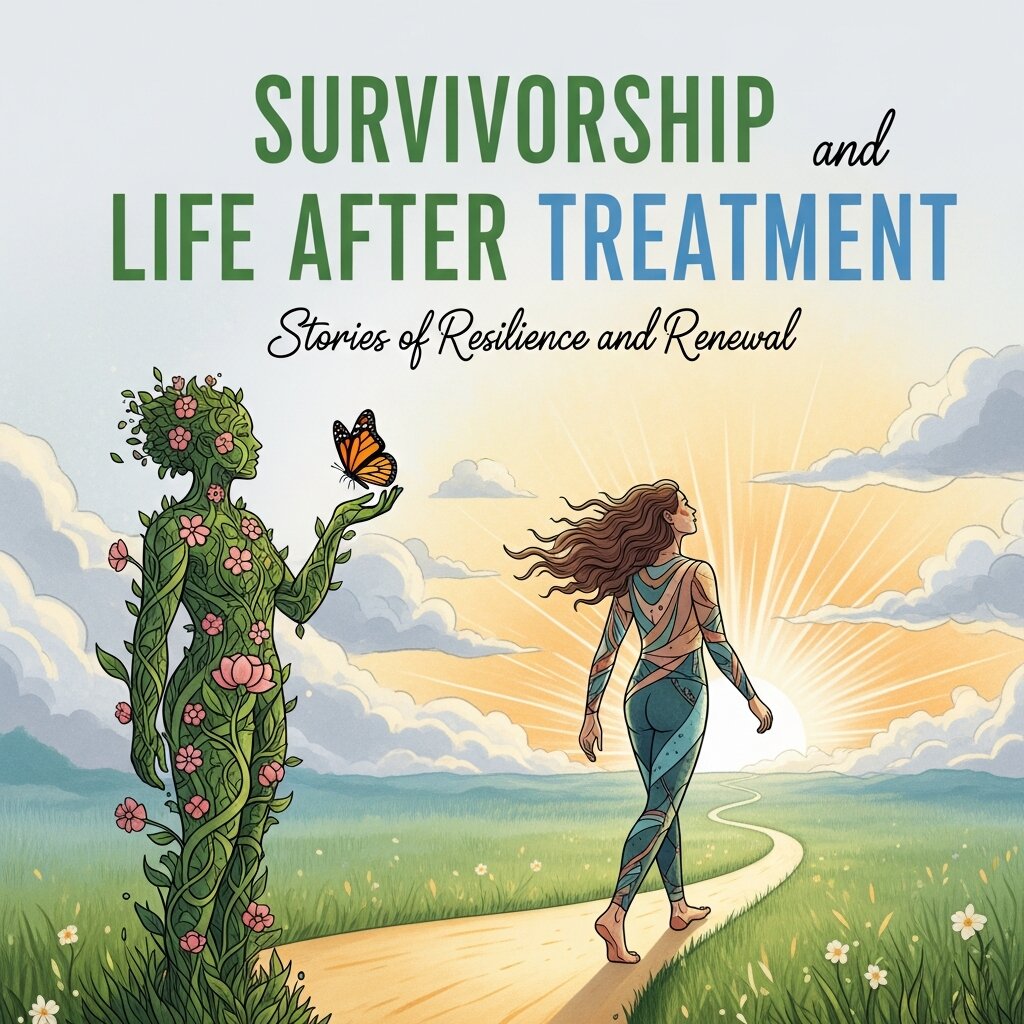
Reaching remission is a significant milestone, but cancer survivorship brings new challenges and opportunities. Life after cancer treatment focuses on recovery, monitoring, and rebuilding strength. Regular follow-up appointments and screenings are essential for detecting recurrence early. Many survivors manage long-term side effects such as fatigue or mobility challenges, requiring ongoing care and lifestyle adjustments. Gradually returning to daily routines, work, and physical activity supports both mental and physical well-being. Emotional healing is equally important, and counseling or support groups can help. Survivorship is also an opportunity to inspire others, advocate for awareness, and adopt healthier habits that promote long-term wellness and reduce future health risks.
- Follow-Up Care: Regular screenings and check-ups help catch any signs of recurrence early.
- Long-Term Side Effect Management: Some treatments may have lingering effects. Physical therapy, counseling, and ongoing symptom tracking are essential.
- Returning to Normal Activities: Gradually resuming work, hobbies, and exercise routines promotes both physical and emotional health.
- Advocacy and Community: Sharing your experience empowers others. Consider mentoring, joining support networks, or participating in awareness campaigns.
Patient Rights and Advocacy
Every cancer patient has the right to clear information, respectful care, and active participation in treatment decisions. Understanding informed consent ensures you know the benefits, risks, and alternatives of each therapy. Patients can seek second opinions to confirm diagnoses or explore new options. Access to support services—financial counseling, transportation, and emotional care—can ease the treatment burden. Advocating for yourself or with a caregiver helps overcome healthcare barriers. By staying informed and asking questions, you can make confident decisions and ensure your care aligns with your personal values and medical needs.
- Informed Consent: Understand the risks and benefits of each proposed therapy.
- Access to Second Opinions: You are entitled to verification and alternatives for your proposed care plan.
- Support Services: Tap into resources for financial counseling, transportation assistance, and mental health support.
- Navigating the Healthcare System: Knowledge of your rights helps overcome barriers and get the most from your healthcare team.
Conclusion
Navigating your diagnosis starts with understanding comprehensive cancer treatment. By exploring modern therapies and consulting your medical team, you take control of your health journey. Ready to learn more? Read our complete guide on oncology nutrition plans or contact our support team today for personalized guidance.
Frequently Asked Questions
1. What exactly does a comprehensive cancer treatment plan include?
A comprehensive plan integrates multiple therapies tailored to your specific diagnosis. It typically includes a combination of surgery, radiation, chemotherapy, targeted therapies, and lifestyle support to attack the disease from multiple angles.
2. How do doctors decide which treatment is best for me?
Oncologists determine your treatment based on the cancer’s type, stage, and genetic makeup, alongside your age and overall health. They often utilize tumor genomic profiling to pinpoint the most effective therapies.
3. Is immunotherapy better than traditional chemotherapy?
Neither is universally “better.” Immunotherapy works remarkably well for certain cancers by boosting the immune system, while chemotherapy remains the gold standard for others. Your doctor will choose based on your tumor’s specific biomarkers.
4. Can I undergo multiple treatments at the same time?
Yes. Doctors frequently use concurrent treatments, such as combining radiation with chemotherapy, to shrink tumors more effectively. This aggressive approach requires careful medical monitoring.
5. Are there natural alternatives to medical cancer treatments?
No natural remedies can cure cancer. However, integrative medicine—which combines standard medical treatments with supportive practices like acupuncture and specialized nutrition—can significantly help manage symptoms and improve your quality of life.
6. What are targeted therapies?
Targeted therapies are drugs designed to identify and attack specific types of cancer cells while minimizing damage to normal cells. They work by blocking the enzymes and proteins that cancer cells need to grow and divide.
7. How long does a typical treatment regimen last?
Treatment duration varies wildly depending on the stage and type of the disease. Some surgical interventions require only a few weeks of recovery, while certain targeted therapies or immunotherapies may continue for years.
8. What role do clinical trials play in my options?
Clinical trials provide access to cutting-edge therapies before they become widely available. They are strictly monitored and offer excellent options for patients with advanced or treatment-resistant cancers.
9. How can I manage the side effects of my therapy?
Communicate openly with your medical team. They can prescribe specialized medications for nausea, pain, and fatigue. Additionally, integrating early palliative care provides excellent symptom management.
10. Will my health insurance cover advanced treatments like immunotherapy?
Most major insurance providers cover FDA-approved advanced treatments if they are considered the standard of care for your specific diagnosis. Always consult with your clinic’s financial navigator to understand your specific coverage and potential out-of-pocket costs.
