



Facing a diagnosis is hard, but minimally invasive cancer treatments offer hope. These advanced procedures reduce recovery time, minimize pain, and help you heal faster.
This comprehensive guide explores the latest minimally invasive cancer treatments. You will learn about robotic surgeries, targeted therapies, and how these modern approaches lead to quicker recoveries, less scarring, and better overall health outcomes for patients navigating their oncology care.
Understanding Minimally Invasive Cancer Treatments
Minimally invasive cancer treatments represent a massive shift in how doctors approach oncology. Instead of making large incisions, surgeons and oncologists use advanced technology to target tumors with pinpoint accuracy. This modern approach helps protect healthy tissues, allowing your body to recover much faster than it would after traditional open surgery.
When you explore your options, understanding the scope of minimally invasive cancer treatments empowers you to make better health decisions. These methods include everything from robotic surgery to highly targeted radiation, all designed to attack the disease while preserving your quality of life. By focusing the treatment directly on the affected area, doctors significantly reduce the trauma your body experiences.
The Evolution of Oncology Care
Years ago, a cancer diagnosis almost always meant a long, grueling surgery followed by weeks in the hospital. Today, minimally invasive cancer treatments change that narrative entirely. Medical professionals now use tiny cameras, precision instruments, and advanced imaging to perform complex procedures through incisions no larger than a keyhole.
This evolution directly impacts how patients experience recovery. If you or a loved one are considering options, looking into our advanced oncology care protocols can provide more context on how modern medicine continues to improve patient experiences.
Why Doctors Recommend These Approaches
Oncologists prefer minimally invasive cancer treatments because they yield excellent clinical outcomes while keeping patients comfortable. Traditional surgery carries a higher risk of complications, including severe bleeding and infections. By choosing a less invasive route, doctors mitigate these risks.
Furthermore, patients who undergo minimally invasive cancer treatments often return to their daily lives within days rather than months. This rapid return to normalcy plays a crucial role in maintaining mental and emotional well-being during a challenging time.
Types of Minimally Invasive Cancer Treatments
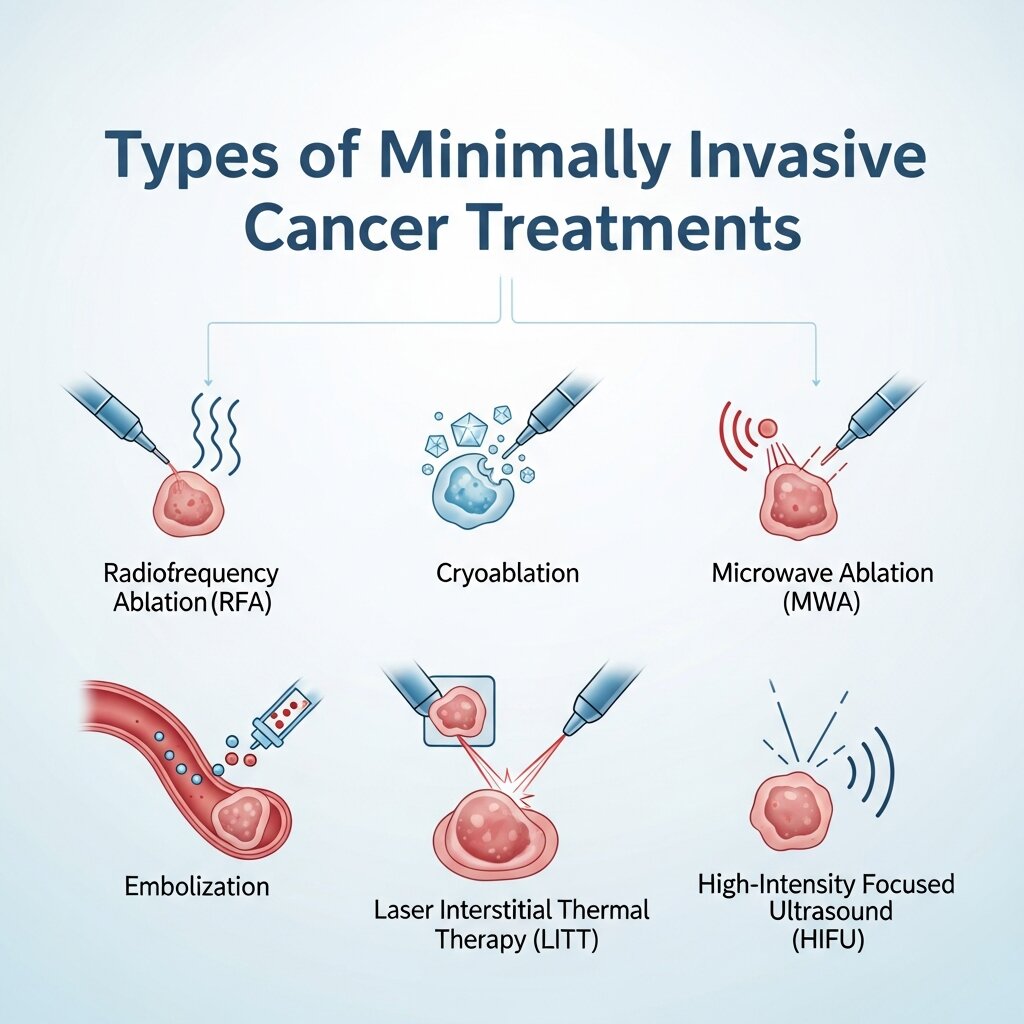
Medical science offers several distinct types of minimally invasive cancer treatments. Each serves a specific purpose, depending on the type, stage, and location of the tumor.
Robotic-Assisted Surgery
Robotic-assisted surgery stands out as one of the most popular minimally invasive cancer treatments available today. The surgeon controls robotic arms equipped with surgical instruments and a high-definition 3D camera. This system translates the surgeon’s hand movements into smaller, more precise actions inside your body.
- Precision: The robotic system eliminates hand tremors.
- Flexibility: Robotic instruments rotate in ways human hands cannot.
- Visibility: The 3D camera provides unparalleled views of the tumor and surrounding tissues.
Laparoscopic Surgery
Laparoscopic surgery involves making small incisions, usually in the abdomen or pelvis. The surgeon inserts a laparoscope—a thin tube with a camera and light—through one incision, and surgical tools through the others. This method is highly effective for removing tumors in the digestive tract, reproductive organs, and kidneys. It remains one of the foundational minimally invasive cancer treatments used worldwide.
Radiofrequency Ablation (RFA)
For patients who cannot undergo surgery, Radiofrequency Ablation (RFA) offers a brilliant alternative. This technique uses high-energy radio waves to heat and destroy cancer cells. A doctor guides a thin needle directly into the tumor using ultrasound or CT scans. Once positioned, an electric current passes through the needle, effectively burning the tumor away.
Cryoablation (Cryotherapy)
In contrast to RFA, cryoablation destroys tumors by freezing them. The doctor inserts a hollow needle into the tumor and pumps very cold gas, like liquid nitrogen, into the tissue. The freezing and thawing process kills the cancer cells. Doctors frequently use this method for prostate and kidney tumors.
The Benefits of Minimally Invasive Cancer Treatments
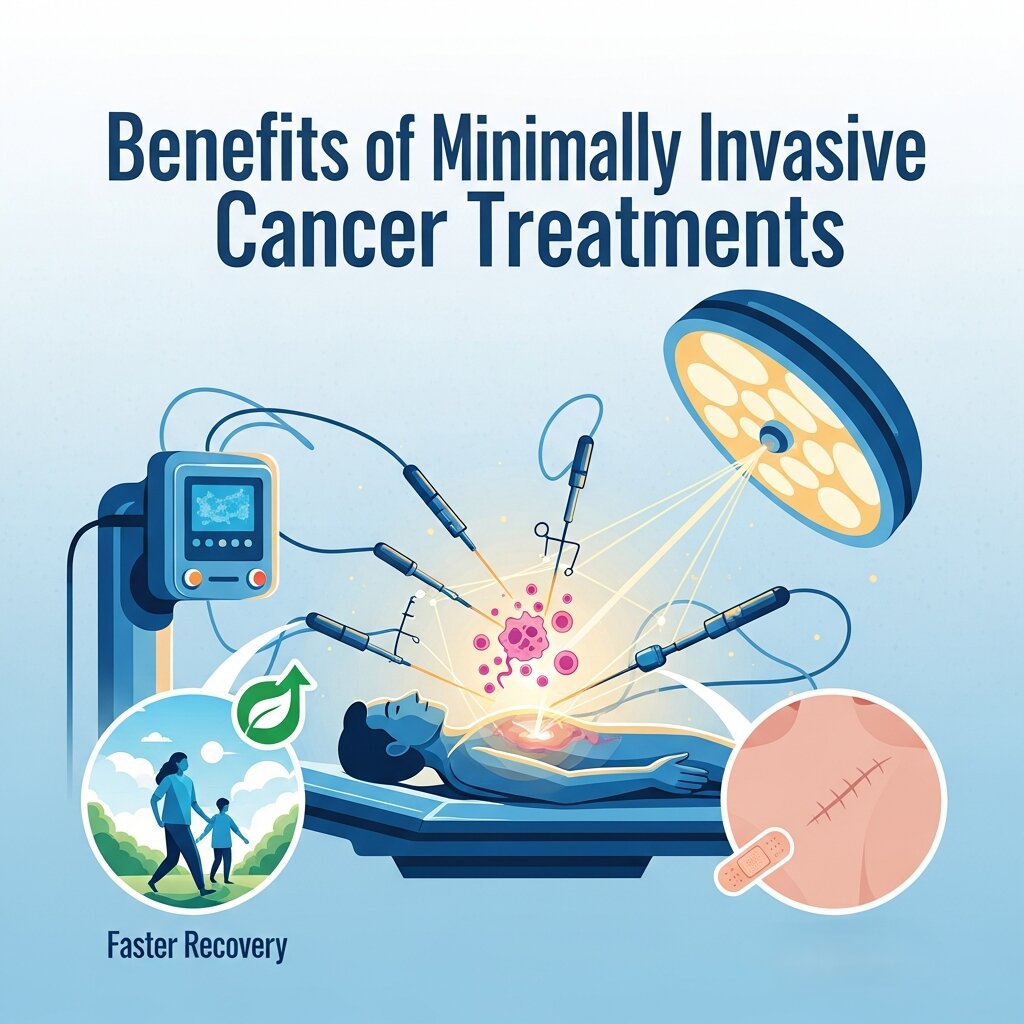
The advantages of minimally invasive cancer treatments go far beyond just a smaller scar. They fundamentally alter the recovery experience.
Significantly Faster Healing
The primary reason patients seek minimally invasive cancer treatments is the accelerated healing timeline. Because the surgeon cuts less muscle and tissue, your body spends less energy repairing surgical wounds. You can often go home the same day or the day after your procedure. You might also want to review our post-surgery recovery nutrition guide to further speed up your healing process.
Reduced Pain and Discomfort
Smaller incisions mean less pain. Patients who choose minimally invasive cancer treatments generally require fewer pain medications and experience less discomfort during their recovery. This reduction in pain allows you to start moving sooner, which helps prevent blood clots and muscle stiffness.
Lower Risk of Complications
Every surgical procedure carries risks, but minimally invasive cancer treatments substantially lower them. The risk of surgical site infections drops dramatically when incisions are small. Additionally, patients lose far less blood, often eliminating the need for blood transfusions. According to data from the American Cancer Society, reducing time spent in the hospital directly correlates with lower infection rates.
Comparison Table: Traditional Surgery vs. Minimally Invasive Treatments
|
Feature |
Traditional Open Surgery |
Minimally Invasive Cancer Treatments |
|---|---|---|
|
Incision Size |
Large (often 6-12 inches) |
Small (often less than 1 inch) |
|
Hospital Stay |
Several days to weeks |
Outpatient or 1-2 days |
|
Pain Levels |
High; requires heavy medication |
Low to moderate; less medication needed |
|
Recovery Time |
6 to 8 weeks |
1 to 3 weeks |
|
Scarring |
Significant and noticeable |
Minimal and faint |
|
Infection Risk |
Higher due to open wound |
Significantly lower |
Common Mistakes to Avoid When Seeking Treatment
Navigating your care plan requires vigilance. Many patients make critical errors when evaluating minimally invasive cancer treatments.
- Assuming You Are Not a Candidate: Never assume your tumor is too large or complex for minimally invasive cancer treatments. Always consult with a specialized surgical oncologist first.
- Failing to Get a Second Opinion: Different doctors have different skill sets. If your primary surgeon only offers open surgery, seek a second opinion from a specialist trained in robotic or laparoscopic techniques.
- Ignoring Facility Credentials: Not all hospitals possess the latest technology. Ensure you receive care at a facility known for excellence in minimally invasive cancer treatments.
- Skipping Pre-habilitation: Preparing your body before treatment is vital. Read our physical therapy preparation strategies to ensure you go into your procedure as strong as possible.
Expert Insights and Pro Tips
Leading oncologists emphasize that minimally invasive cancer treatments require teamwork between the patient and the medical staff.
- Ask About Volume: Ask your surgeon how many minimally invasive cancer treatments they perform annually. High-volume surgeons typically produce better outcomes.
- Stay Active: Gentle movement before and immediately after your procedure promotes blood flow and accelerates healing.
- Advocate for Yourself: Bring a list of questions to your consultation. Ask specifically why minimally invasive cancer treatments are or are not right for your specific case.
By taking an active role in your care, you ensure that you receive the best possible minimally invasive cancer treatments tailored to your unique biology and circumstances.
Integrating Immunotherapy Advancements
Recent breakthroughs in immunotherapy have transformed the landscape of minimally invasive cancer treatments. By harnessing the body’s own immune system, treatments such as immune checkpoint inhibitors and CAR-T cell therapy are now being used in tandem with surgical and ablative procedures for superior outcomes. The combination approach not only targets tumors more effectively but also reduces the risk of recurrence. Patients interested in these integrated therapies should discuss the latest clinical trials and eligibility requirements with their care team. Learn how this synergy can improve outcomes by reviewing integrative oncology treatment options.
The Role of Real-Time Imaging Technologies
State-of-the-art imaging technology has become an essential pillar in the success of minimally invasive cancer treatments. Real-time image guidance using ultrasound, MRI, or CT allows clinicians to visualize tumors with striking accuracy during procedures. This ensures that only diseased tissue is treated, reducing collateral damage to healthy organs. The continuous evolution of imaging systems is making procedures safer, shorter, and more effective. Explore how advancements in this area are being incorporated into precision cancer diagnosis methodologies.
Patient-Centered Recovery Programs
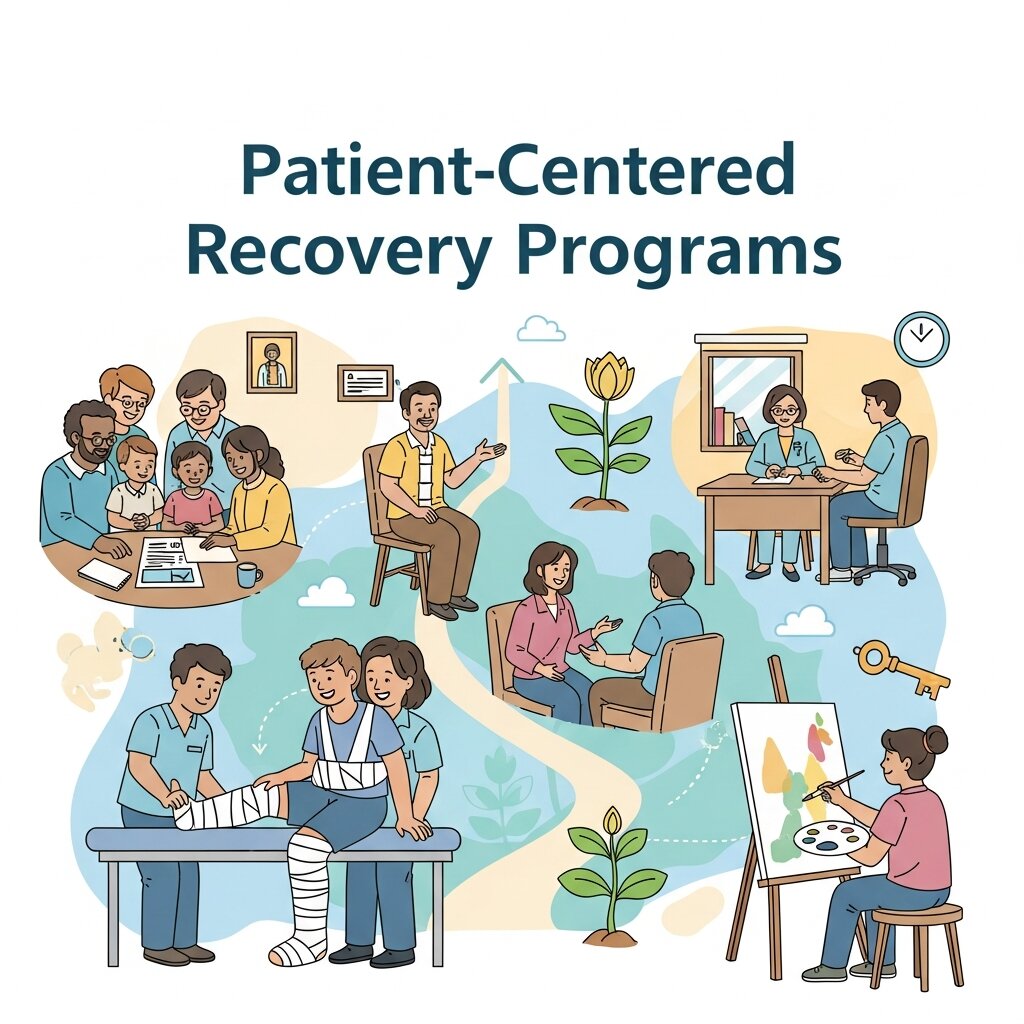
Healing after minimally invasive cancer treatments often extends beyond the operating room. Patient-centered recovery programs integrate tailored exercise regimens, nutritional support, and psychological counseling to support holistic healing. By addressing both physical and emotional well-being, these programs can reduce the risk of complications and promote long-term health. Patients can benefit from joining support networks and accessing additional resources like our oncology wellness and support programs for personalized recovery strategies.
Telemedicine and Remote Monitoring Innovations
The modernization of cancer care includes robust telemedicine and remote monitoring platforms, making follow-up and ongoing care more accessible for patients. After undergoing minimally invasive cancer treatments, you can connect with your oncology team virtually, track recovery metrics from home, and receive timely interventions when necessary. This innovation not only increases convenience but also ensures early detection of issues, improving outcomes. Discover more in our guide to virtual oncology consultations and monitoring tools.
Conclusion
Choosing the right path is crucial for your health. Minimally invasive cancer treatments provide a reliable way to fight disease while ensuring faster healing and less downtime. Talk to your oncologist today to see if these innovative therapies align with your personal care plan and take control of your recovery.
Frequently Asked Questions
1. What are minimally invasive cancer treatments?
Minimally invasive cancer treatments are modern medical procedures that diagnose or treat cancer using small incisions, specialized cameras, and precision tools, resulting in less physical trauma to the body.
2. Are minimally invasive cancer treatments as effective as traditional surgery?
Yes. When performed by skilled specialists, minimally invasive cancer treatments remove tumors just as effectively as traditional open surgery, while offering a much faster recovery time.
3. Does insurance cover minimally invasive cancer treatments?
Most major health insurance providers cover minimally invasive cancer treatments. However, you must verify your specific coverage details and network requirements with your insurance company before scheduling the procedure.
4. How long does it take to recover from minimally invasive cancer treatments?
Recovery times vary by individual and procedure type, but most patients return to normal activities within one to three weeks, compared to the six to eight weeks required for traditional surgery.
5. Who is a good candidate for minimally invasive cancer treatments?
Good candidates typically include patients with early-stage cancers or localized tumors. However, advanced technologies now allow doctors to treat more complex cases minimally invasively. Your oncologist will determine your eligibility.
6. Do minimally invasive cancer treatments leave scars?
Yes, but the scars are significantly smaller and less noticeable than those left by traditional surgery. Most incisions are less than an inch long and fade considerably over time.
7. Is robotic surgery considered one of the minimally invasive cancer treatments?
Absolutely. Robotic-assisted surgery is a leading form of minimally invasive cancer treatments. It allows surgeons to operate with enhanced precision, flexibility, and control using highly advanced robotic systems.
8. What cancers do doctors commonly treat with these methods?
Doctors frequently use minimally invasive cancer treatments for prostate, colorectal, kidney, lung, and gynecologic cancers. The applicability continues to expand as technology advances.
9. Can minimally invasive cancer treatments cure my cancer?
When caught early and removed completely, these treatments can be curative. Often, doctors combine minimally invasive cancer treatments with therapies like radiation or chemotherapy for the best results.
10. Do minimally invasive cancer treatments cause less pain?
Yes. Because these procedures involve smaller incisions and less tissue disruption, patients experience significantly less postoperative pain and require fewer strong pain medications.
