



Facing a diagnosis feels daunting, but next-gen cancer treatment offers profound hope. Personalized precision therapies now target tumors with unprecedented accuracy, transforming modern medical outcomes.
This comprehensive guide explores how next-gen cancer treatment revolutionizes patient care. You will discover the science behind genomic profiling, targeted immunotherapies, and AI-driven oncology. Learn how these breakthroughs compare to traditional methods, empowering you to make informed healthcare decisions.
Understanding Next-Gen Cancer Treatment
For decades, medicine relied on a one-size-fits-all approach to fight tumors. Doctors primarily used surgery, chemotherapy, and radiation. While these methods save lives, they often cause severe side effects by damaging healthy cells alongside malicious ones.
Next-gen cancer treatment changes this dynamic completely. By analyzing the unique genetic makeup of a patient’s tumor, oncologists can design a highly specific attack plan. This approach, known as personalized precision oncology, represents a monumental leap forward in healthcare.
What is Personalized Precision Oncology?
Personalized precision oncology involves tailoring medical care to the individual characteristics of each patient. It focuses on identifying specific genetic mutations that drive tumor growth. Once doctors identify these biomarkers, they prescribe medications designed to attack those exact vulnerabilities.
This means two patients with the exact same type of lung cancer might receive completely different treatments based on their specific genetic profiles. We now treat the molecular driver of the disease rather than just the anatomical location.
The Shift from Traditional to Targeted Therapies
Traditional chemotherapy acts like a sledgehammer. It attacks all rapidly dividing cells in the body. This is why patients often lose their hair or experience severe nausea.
Next-gen cancer treatment acts more like a sniper rifle. Targeted therapies block the specific enzymes, proteins, or blood vessels that help tumors grow and spread. Because these drugs focus specifically on the mutated cells, patients generally experience fewer systemic side effects. You can read more about these mechanisms through leading research institutions like the National Cancer Institute.
Core Technologies Driving Next-Gen Cancer Treatment
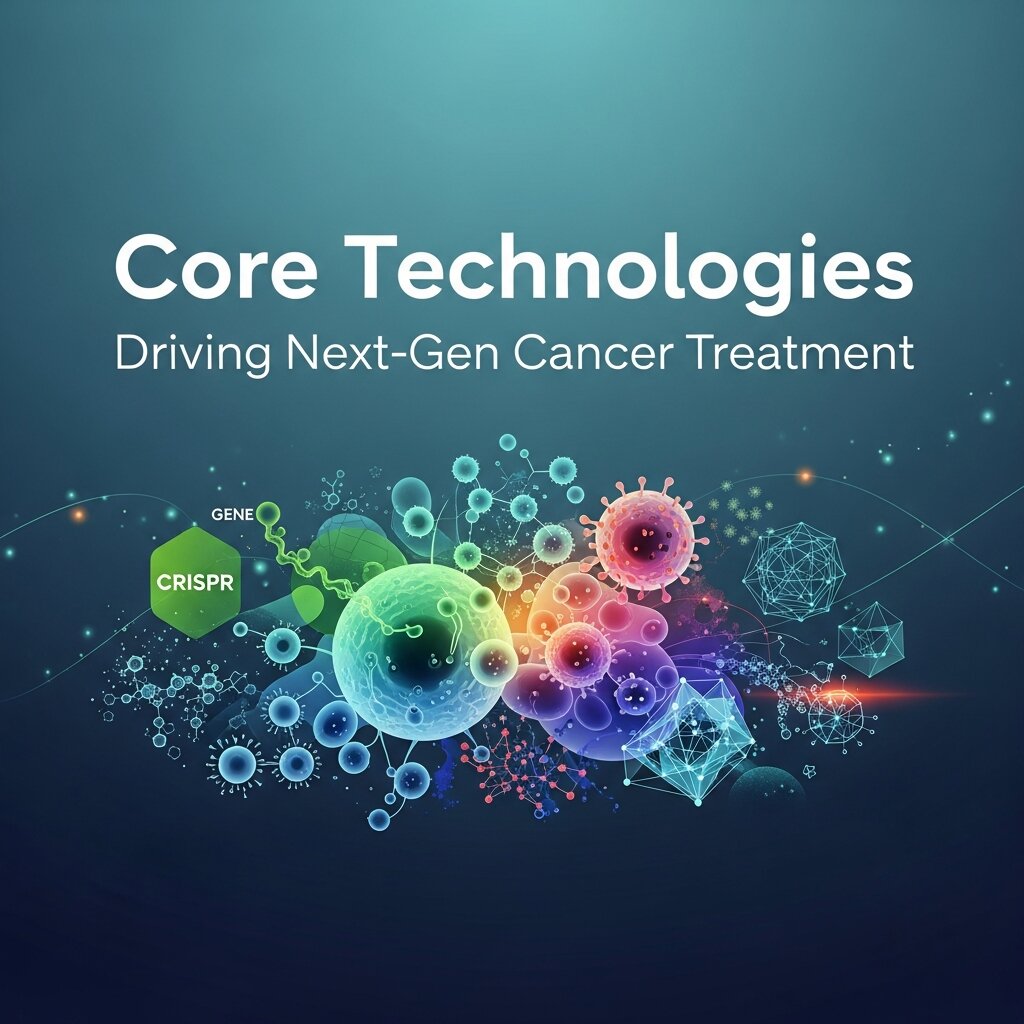
The rapid advancement of medical technology makes personalized therapies possible. Several key innovations work together to create these groundbreaking treatment plans.
Genomic Sequencing and Tumor Profiling
To deliver next-gen cancer treatment, doctors must first understand the enemy. Genomic sequencing allows scientists to read the DNA of a tumor. They look for specific alterations, such as the BRCA mutation in breast cancer or the EGFR mutation in lung cancer.
Through advanced tumor sequencing, specialists create a detailed molecular map. This map tells them exactly which targeted therapies will work best. Liquid biopsies—a simple blood test that detects circulating tumor DNA—make this process even less invasive.
CAR T-Cell Therapy and Immunotherapy Innovations
Immunotherapy empowers your body’s own immune system to recognize and destroy malicious cells. CAR T-cell therapy represents one of the most exciting forms of next-gen cancer treatment available today.
In this process, doctors extract a patient’s T-cells (a type of white blood cell). They genetically modify these cells in a laboratory to produce special receptors called chimeric antigen receptors (CARs). When doctors infuse these supercharged cells back into the patient, the cells hunt down and eradicate the disease. Understanding immunotherapy side effects management remains crucial, but the remission rates for certain blood malignancies are astounding.
Artificial Intelligence in Treatment Planning
Artificial intelligence processes massive amounts of medical data in seconds. AI algorithms can analyze thousands of pathology slides, genetic reports, and clinical trial results to recommend the most effective next-gen cancer treatment for a specific patient.
This technology helps oncologists predict how a tumor will respond to a specific drug. It removes much of the trial-and-error process from oncology, saving precious time for patients who need immediate intervention.
Traditional vs. Precision Therapies
Understanding the differences between standard care and next-gen cancer treatment helps patients advocate for their health.
|
Feature |
Traditional Therapy (e.g., Chemotherapy) |
Next-Gen Cancer Treatment (Precision Therapy) |
|---|---|---|
|
Target Mechanism |
Attacks all rapidly dividing cells |
Targets specific genetic mutations or proteins |
|
Personalization |
Standardized based on cancer stage/type |
Highly personalized based on DNA profiling |
|
Side Effects |
Often widespread (hair loss, nausea) |
Generally milder, specific to the targeted pathway |
|
Efficacy |
Broad success but variable resistance |
High success if specific biomarkers are present |
|
Testing Required |
Standard biopsies and imaging |
Advanced genomic sequencing and liquid biopsies |
Expert Insights: Navigating Next-Gen Cancer Treatment
Entering the world of precision oncology requires careful navigation. You must advocate for yourself and ask the right questions.
Pro Tips for Patients and Caregivers
- Always ask for biomarker testing: Before starting any systemic therapy, ask your oncologist if comprehensive genomic profiling is appropriate for your case.
- Explore clinical trials early: Do not wait until standard treatments fail. Many early-phase clinical trials offer access to the latest next-gen cancer treatment before it hits the broader market. Discuss clinical trial enrollment with your care team immediately.
- Seek a second opinion: Precision oncology evolves rapidly. Consulting with a specialist at an academic research hospital ensures you have access to the most current therapies.
- Organize your medical records: Keep a digital and physical folder of all biopsy reports, sequencing results, and treatment summaries.
Common Mistakes to Avoid When Seeking Advanced Therapies
Even with the best intentions, patients can make missteps when pursuing next-gen cancer treatment. Avoid these common pitfalls:
- Assuming all tumors are the same: Never assume your treatment will match someone else’s, even if you share a diagnosis. Precision medicine relies entirely on your unique genetic profile.
- Skipping genetic counseling: If your tumor profiling reveals an inherited genetic mutation, you must speak with a genetic counselor. This information impacts your family members and their future health risks.
- Ignoring financial planning: Advanced therapies can carry high out-of-pocket costs. Work with hospital social workers or financial navigators early in the process to secure insurance approvals or patient assistance grants.
- Neglecting supportive care: While targeted therapies have fewer side effects, they still require management. Integrate nutritional support and mental health care into your routine.
The Future of Next-Gen Cancer Treatment
The landscape of oncology transforms every single day. We are moving toward a future where we treat tumors like manageable chronic illnesses rather than terminal diagnoses.
mRNA Vaccines and Liquid Biopsies
The same mRNA technology that brought us rapid viral vaccines is now being tested as a next-gen cancer treatment. Scientists are developing personalized vaccines that teach the immune system to recognize specific tumor mutations.
Furthermore, liquid biopsies will soon allow doctors to detect malignancies at stage zero, long before they appear on traditional imaging scans. By catching the disease at its earliest molecular stage, doctors can deploy precision therapies when they are most effective.
Emerging Trends in Next-Gen Cancer Treatment
New trends are continually reshaping the precision oncology landscape. Nanotechnology is delivering drugs directly to tumors at the cellular level, reducing collateral damage. CRISPR gene editing holds potential for correcting cancer-causing mutations. Wearable health tech is enabling real-time monitoring of patient responses, helping personalize and adjust treatments dynamically. Stay aware of these innovations, as they may define the next decade in cancer therapeutics.
Patient Success Stories
Real patient experiences showcase the power of next-gen cancer treatment. For example, a young mother with metastatic melanoma saw remarkable regression after immunotherapy, returning to a normal life at home. In another case, a patient who failed standard therapy benefited from a targeted drug identified through comprehensive DNA analysis. These stories, increasingly highlighted by patient advocacy groups and trusted institutions like Cancer Research UK, underscore why precision medicine matters.
Ethical Considerations in Precision Oncology
The rapid growth of next-gen cancer treatment introduces complex ethical questions. Equity in access to life-saving therapies is a key concern, as advanced diagnostics and drugs can be expensive and are not always available everywhere. Genetic privacy must be safeguarded, with strict regulations to ensure confidentiality of patient information. Choosing treatments based on DNA also raises tough questions about family planning and future insurability. Thoughtful policies and ongoing discussion are vital for balancing innovation and patient rights.
The Role of Lifestyle in Enhancing Treatment Outcomes
Lifestyle choices influence the effectiveness and side effects of next-gen cancer treatment. Nutrition rich in antioxidants and whole foods can support recovery and boost immune health. Light physical activity, when possible, and techniques such as mindfulness or meditation are linked to improved quality of life and may help with mental resilience. While medical therapies are more personalized than ever, holistic self-care should play a central role in surviving—and thriving—through treatment.
Global Access to Next-Gen Cancer Treatment
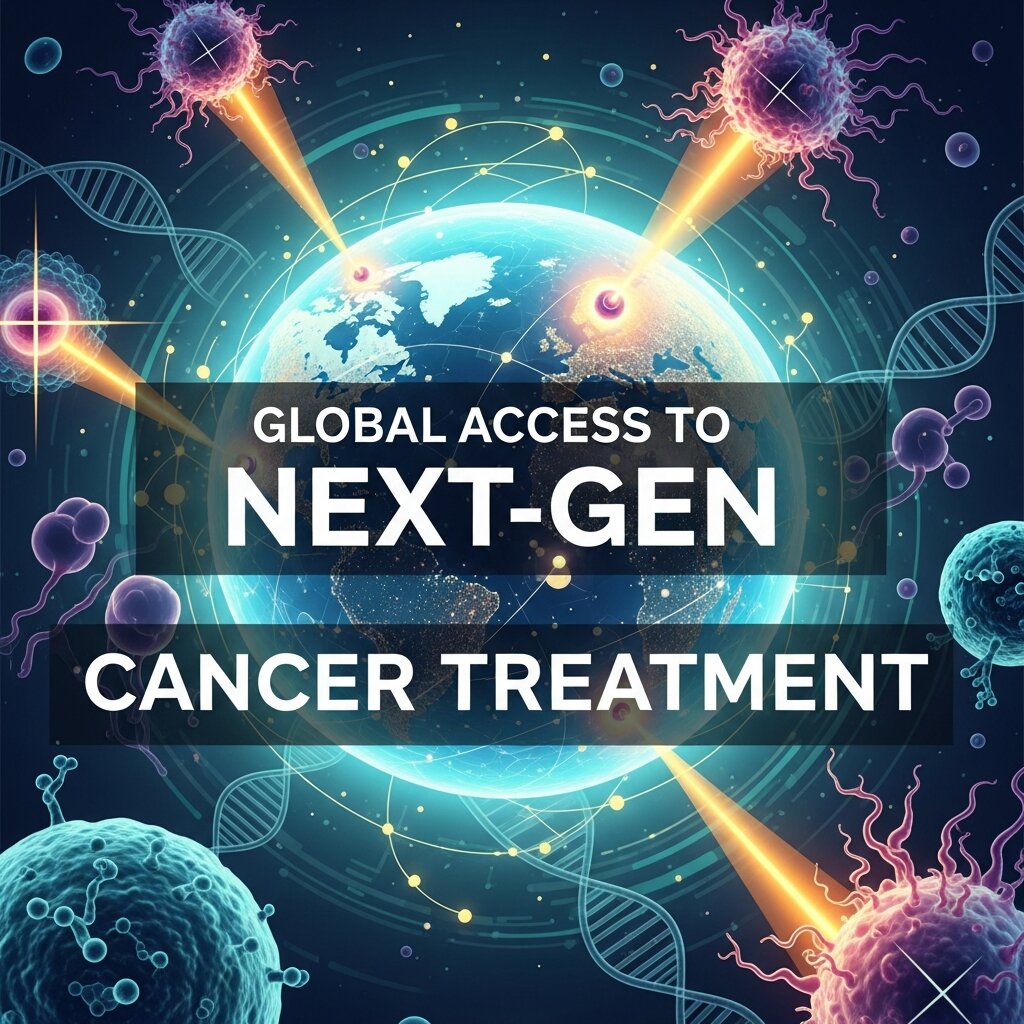
Precision therapies are more common in developed nations, but significant barriers remain in other regions. Organizations such as the World Health Organization and global cancer alliances are working to address challenges in affordability, infrastructure, and education. Improving global access ensures everyone benefits from these advances, not just those in urban or high-income settings.
The Economics of Next-Gen Cancer Treatment
The financial side of personalized therapy can be daunting. Costs for genomic profiling, branded drugs, and specialized hospital stays often exceed six figures. Insurance coverage is expanding, but out-of-pocket expenses still worry many patients. Financial assistance programs from nonprofits, pharmaceutical companies, and state or national agencies can help. Strategic early planning is critical to avoid surprise fees and ensure continuous care.
How to Choose the Right Oncologist for Precision Therapies
Selecting an oncologist experienced with precision medicine is essential. Look for providers who offer advanced genomic testing, participate in clinical trials, and stay current with latest cancer research. Ask about multidisciplinary teams, as collaborative care often leads to better outcomes. Use databases from professional organizations (like ASCO or the American Cancer Society) to identify certified specialists in your region.
The Role of Advocacy Groups in Precision Oncology
Patient advocacy groups do more than raise awareness—they connect patients to resources, support communities, and even help shape policy. Groups like the LIVESTRONG Foundation, Cancer Support Community, and others provide comprehensive guides, legal and financial counseling, and emotional support. Engaging with these organizations can turn challenging journeys into empowered ones.
Future Challenges in Next-Gen Cancer Treatment
While promising, next-gen cancer treatment faces hurdles. Drug resistance can still develop, even with targeted agents. Expanding clinical trial participation is needed to validate new options for rare cancers and diverse populations. Integrating AI responsibly in diagnostics and care demands careful oversight. As the field grows, ongoing research, education, and policy work will ensure continued progress and equity.
How to Stay Informed About Next-Gen Cancer Treatment
Knowledge evolves rapidly, so staying updated is vital for patients and families. Follow reputable medical journals, subscribe to newsletters from major cancer centers, and use trusted platforms for news about breakthroughs. Participate in webinars, patient forums, or local events hosted by expert organizations to remain engaged and informed.
Next-Gen Cancer Treatment: A Mini-Conclusion on Progress
We stand at the edge of a medical renaissance. The transition from broad-spectrum chemicals to targeted, personalized precision therapies signifies one of the greatest scientific achievements of our lifetime. By understanding your tumor’s unique genetic signature, your care team can unlock treatment options that simply did not exist a decade ago.
Conclusion
The era of personalized medicine is finally here. Next-gen cancer treatment replaces uncertainty with targeted, data-driven action, offering patients higher survival rates and better quality of life. Speak with your oncologist about genomic profiling today. Take control of your health journey and ask if precision therapies are the right path for you.
Frequently Asked Questions
1. What exactly is next-gen cancer treatment?
Next-gen cancer treatment refers to advanced medical therapies that use a patient’s genetic information to target tumors. Instead of broad-spectrum treatments like standard chemotherapy, these precision therapies attack the specific molecular drivers causing the disease to grow.
2. How do doctors know which precision therapy to use?
Doctors use comprehensive genomic profiling to map the DNA of your tumor. By identifying specific genetic mutations or biomarkers, they can match you with a targeted drug designed specifically to exploit that vulnerability.
3. Is next-gen cancer treatment available for all types of tumors?
While precision therapies treat many common malignancies like lung, breast, and melanoma, they are not yet available for every single type. However, ongoing clinical trials continuously expand the list of approved targeted therapies for various diagnoses.
4. Does insurance cover personalized precision therapies?
Most major insurance providers cover next-gen cancer treatment if FDA-approved for your specific diagnosis and biomarker. However, obtaining coverage for genomic sequencing or off-label drug use may require prior authorization or appeals handled by your medical team.
5. What is a liquid biopsy?
A liquid biopsy is a simple blood test that detects tiny fragments of tumor DNA circulating in the bloodstream. It offers a less invasive alternative to surgical biopsies and helps doctors monitor how well a next-gen cancer treatment is working in real time.
6. Are the side effects of precision therapies less severe than chemotherapy?
Generally, yes. Because targeted therapies focus on specific mutated cells rather than all rapidly dividing cells, patients usually experience fewer systemic side effects like severe nausea or total hair loss. However, they can cause different side effects, such as skin rashes or elevated liver enzymes.
7. Can I receive next-gen cancer treatment and chemotherapy at the same time?
Yes. Oncologists frequently combine targeted therapies or immunotherapies with traditional chemotherapy. This combination often prevents the tumor from developing resistance to a single treatment approach, leading to better long-term outcomes.
8. What role does artificial intelligence play in modern oncology?
AI analyzes vast amounts of clinical data, genetic profiles, and pathology images to help doctors predict which next-gen cancer treatment will work best for an individual. It accelerates the treatment planning process and improves diagnostic accuracy.
9. How do I access CAR T-cell therapy?
CAR T-cell therapy is a highly specialized next-gen cancer treatment currently approved for certain blood malignancies like leukemia and lymphoma. You must receive this treatment at a certified, specialized medical center with expertise in managing complex cellular therapies.
10. Should I participate in a clinical trial for advanced therapies?
Clinical trials provide early access to the newest next-gen cancer treatment options before they reach the general public. If standard treatments are ineffective or if you want access to cutting-edge science, discussing trial enrollment with your oncologist is an excellent strategy.
