


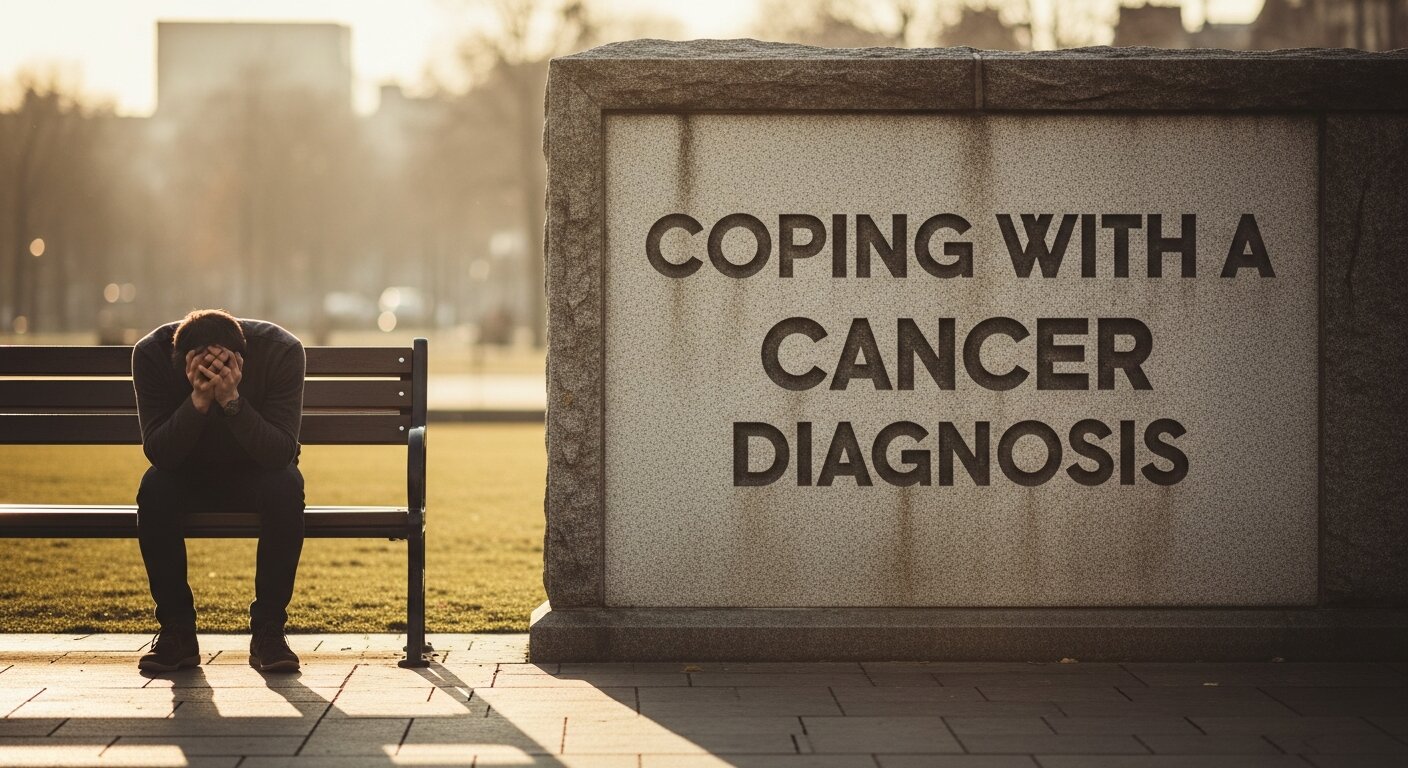
Hearing you have cancer stops time. Fear and uncertainty immediately take over your mind. However, taking the right steps helps you regain control. Coping with a cancer diagnosis requires actionable strategies, emotional awareness, and a strong support system to navigate this journey.
This comprehensive guide explores everything you need to know about coping with a cancer diagnosis. We cover how to process complex emotions, communicate with loved ones, and make informed treatment decisions. You will discover actionable insights, expert tips, common mistakes to avoid, and a structured breakdown of healthy coping mechanisms to improve your quality of life.
Recognizing the Importance of Self-Advocacy
Learning to advocate for yourself is critical when navigating your cancer journey. Self-advocacy means asking questions, seeking information, and communicating your needs clearly with your care team. By asserting your preferences and concerns, you ensure your treatment aligns with your values and improves your sense of empowerment during an uncertain time.
Navigating Work, School, and Daily Life Changes

Coping with a cancer diagnosis often means adjusting your routine. Whether you are working, studying, or caring for others, open communication about your needs and limitations is vital. Discuss flexible options with employers, teachers, and family so you can continue activities as comfortably as possible while focusing on your health.
Leveraging Technology and Online Resources
Technology can be an ally during your treatment. From symptom tracking apps to online patient portals and virtual support communities, digital resources make managing appointments, medications, and peer connections much simpler. Embracing trusted technology solutions brings order and support at your fingertips.
Understanding the Role of Caregivers
Caregivers play an essential role in your support system, offering practical and emotional help throughout your journey. Many patients find that involving caregivers in appointments, decision-making, and daily routines not only eases personal burden but also strengthens relationships and mutual understanding during this challenging time.
Exploring Complementary Therapies
Alongside medical treatment, many patients turn to complementary therapies—like art therapy, acupuncture, or guided relaxation—for added comfort and relief. These therapies, when used with your doctor’s advice, can reduce stress, improve mood, and help you manage symptoms, providing holistic support for your body and mind.
Coping with a cancer diagnosis begins with acknowledging the mental toll. Patients often experience a whirlwind of emotions, and understanding these feelings represents the first step toward healing. Your emotional response is completely valid.
The Initial Shock and Denial
When your doctor delivers the news, you might feel numb. This shock serves as a psychological defense mechanism. Your brain temporarily pauses to protect you from overwhelming trauma. During this early stage of coping with a cancer diagnosis, denial often surfaces. You might question the test results or seek multiple opinions. While getting a second opinion is a standard medical practice, prolonged denial can delay necessary treatments.
Anger, Anxiety, and Fear
As the shock fades, anger often replaces it. You might find yourself asking, “Why me?” This anger can project onto doctors, family members, or even yourself. Accompanying this anger is intense anxiety. The word “cancer” carries heavy weight, triggering a fight-or-flight response. Your heart races, your sleep suffers, and your mind fixates on worst-case scenarios. Recognizing that anxiety is a normal part of coping with a cancer diagnosis allows you to seek appropriate mental health support.
Sadness and Grief
Grieving is not reserved for the end of life; you also grieve the loss of your normal routine, your health, and your immediate future plans. Sadness will ebb and flow. Allowing yourself to feel this sadness without judgment is crucial when coping with a cancer diagnosis.
Immediate Steps to Take After Receiving the News

Taking actionable steps brings back a sense of control. When coping with a cancer diagnosis, organizing your approach reduces feelings of helplessness.
Gather the Facts
Information is your most powerful tool. However, you must seek information from reliable sources. Avoid random internet searches that often display worst-case scenarios. Instead, rely on authoritative organizations like the American Cancer Society or the National Cancer Institute.
Ask your oncology team specific questions:
- What is the exact name and stage of my cancer?
- What are my treatment options?
- How will this treatment impact my daily life?
- Who is my primary point of contact for questions?
Organize Your Medical and Financial Life
Coping with a cancer diagnosis involves heavy administrative work. Create a dedicated binder or digital folder for all medical records, test results, and appointment schedules. Furthermore, contact your health insurance provider immediately to understand your coverage. Speak with a hospital social worker or financial navigator; they can connect you with grants and assistance programs. Handling the financial logistics early makes coping with a cancer diagnosis much easier later on.
Building Your Support System
You do not have to walk this path alone. Establishing a robust network is a cornerstone of coping with a cancer diagnosis.
Communicating with Family and Friends
Sharing your diagnosis feels daunting. Choose a time when you feel relatively calm and select a quiet environment. You do not have to tell everyone at once. Delegate the task of informing extended family to a trusted friend or spouse. Be honest about your boundaries. If you do not want to talk about your health on a specific day, clearly state that. Your loved ones want to help, so give them specific tasks, like driving you to appointments or preparing meals.
Cancer Support Groups
Connecting with people who share your experience provides unmatched comfort. Join local or online cancer support groups. Hearing how others are coping with a cancer diagnosis offers practical tips and immense emotional relief. Organizations provide structured group sessions led by licensed therapists.
Seeking Professional Therapy
An oncology social worker or psychologist provides specialized tools for coping with a cancer diagnosis. Therapy offers an objective, safe space to voice your darkest fears. Cognitive Behavioral Therapy (CBT) proves highly effective in managing the anxiety and depression that often accompany a cancer journey.
Managing Your Physical and Mental Well-being

Your body and mind are deeply connected. Coping with a cancer diagnosis requires a holistic approach to your overall well-being.
The Power of Mindfulness
Mindfulness grounds you in the present moment, preventing your mind from spiraling into future anxieties. Practices like deep breathing, guided imagery, and meditation lower cortisol levels and reduce physical tension. When coping with a cancer diagnosis, setting aside just ten minutes a day for mindfulness dramatically improves your emotional resilience.
Nutrition and Gentle Movement
Treatment takes a physical toll, but proactive habits help. Consult an oncology dietitian to create a meal plan that supports your immune system and manages treatment side effects. Unless your doctor advises against it, incorporate gentle movement into your routine. Walking, restorative yoga, and stretching release endorphins, which act as natural mood lifters. Coping with a cancer diagnosis means listening to your body—rest when you are tired, but move when you have energy.
Comparison Table: Healthy vs. Unhealthy Coping Mechanisms
Understanding your behavior is vital. Use this table to evaluate your strategies for coping with a cancer diagnosis.
|
Healthy Coping Mechanisms |
Unhealthy Coping Mechanisms |
Impact on Recovery |
|---|---|---|
|
Seeking professional therapy |
Isolating from family and friends |
Therapy improves mental resilience; isolation breeds severe depression. |
|
Practicing daily mindfulness |
Obsessively searching symptoms online |
Mindfulness lowers stress; excessive internet research spikes panic. |
|
Asking for specific help |
Pretending everything is perfectly fine |
Accepting help conserves energy; bottling emotions leads to burnout. |
|
Joining a support group |
Using alcohol or substances to numb pain |
Support groups validate feelings; substances interfere with medications. |
|
Journaling your emotions |
Lashing out at caregivers |
Journaling processes grief safely; anger damages crucial relationships. |
Common Mistakes to Avoid
When coping with a cancer diagnosis, patients often fall into preventable traps. Avoid these common missteps to protect your peace of mind.
- Rushing Major Decisions: Unless you have a fast-growing cancer that requires emergency intervention, you usually have time to process the news. Do not rush into a treatment plan without fully understanding it.
- Ignoring Your Mental Health: Patients focus so heavily on the physical tumor that they neglect their psychological state. Coping with a cancer diagnosis requires equal attention to mental health.
- Overexerting Yourself: You will not have the same energy levels. Continuing to work 50-hour weeks or managing the entire household will lead to exhaustion.
- Comparing Your Journey: Every cancer case is unique. Comparing your prognosis or side effects to a friend’s experience creates unnecessary anxiety.
Pro Tips and Expert Insights
To master coping with a cancer diagnosis, consider these expert recommendations from top oncology social workers:
- Designate a “Cancer-Free” Zone: Create spaces or times in your home where discussing cancer is completely off-limits. This helps maintain a sense of normalcy.
- Use the Ring Theory of Support: Comfort flows in, and dumping flows out. You are at the center of the ring. You can complain to anyone, but those supporting you should only seek comfort from people further outward in the circle.
- Write Down Your Questions: Memory fails during stressful appointments. Keep a running note on your phone of questions for your oncologist.
- Prioritize Palliative Care: Palliative care is not hospice. It focuses on symptom management and improving quality of life from the very first day of your diagnosis.
Coping with a cancer diagnosis is an ongoing process of adaptation. As you move from diagnosis to active treatment, your needs will shift. Stay flexible and treat yourself with immense self-compassion.
Conclusion
Coping with a cancer diagnosis challenges every aspect of your life, but you possess the strength to navigate it. By gathering facts, building a strong support network, prioritizing your mental health, and avoiding common pitfalls, you can maintain your quality of life. Start today by reaching out to an oncology social worker and taking one small step toward regaining your control.
FAQs
1. What is the hardest part of coping with a cancer diagnosis?
The hardest part is often managing the sheer uncertainty of the future. The sudden loss of control over your health and daily schedule triggers intense anxiety. Building a support network and focusing on daily, manageable tasks helps mitigate this overwhelming feeling.
2. How do I tell my children about my cancer?
Honesty is the best policy, tailored to their age level. Use clear, simple language and avoid making promises you cannot keep. Reassure them that they cannot “catch” cancer and that a dedicated team of doctors is working hard to help you.
3. Should I get a second opinion?
Yes. Seeking a second opinion is a standard and highly encouraged step when coping with a cancer diagnosis. It confirms your diagnosis, introduces alternative treatment options, and ensures you feel completely confident in your medical team.
4. How can I manage my anxiety before test results?
“Scanxiety” is very common. Manage it by practicing deep breathing exercises, staying busy with engaging hobbies, and limiting your time researching medical statistics. Confiding in a therapist or support group also provides immense relief during the waiting period.
5. What practical help should I ask for?
Ask for specific, tangible assistance. Request help with grocery shopping, cooking meals, driving to hospital appointments, taking care of pets, or doing laundry. People want to help, and giving them clear tasks makes it easier for everyone.
6. Does a positive attitude cure cancer?
While a positive attitude does not medically cure cancer, it significantly improves your quality of life and compliance with treatment. However, forced positivity (toxic positivity) is harmful. It is perfectly healthy and necessary to express sadness, anger, and grief.
7. How does coping with a cancer diagnosis affect sleep?
Stress and anxiety cause insomnia, while treatments like chemotherapy induce extreme fatigue. Establish a strict sleep hygiene routine, avoid screens before bed, and consult your doctor if sleeplessness persists, as they can offer safe sleep aids.
8. What is “chemo brain” and how do I cope?
“Chemo brain” refers to cognitive changes like memory lapses and difficulty concentrating during and after treatment. Coping involves using planners, setting phone alarms for medications, getting plenty of rest, and doing mental exercises like puzzles.
9. Where can I find financial assistance for cancer care?
Speak with a hospital financial navigator immediately. Organizations like the Leukemia & Lymphoma Society, CancerCare, and the Patient Advocate Foundation offer grants. They assist with co-pays, transportation costs, and living expenses during treatment.
10. How do I transition to life after cancer treatment?
The end of treatment brings relief but also anxiety about recurrence. Establish a survivorship care plan with your doctor. Continue seeing your therapist, maintain healthy lifestyle habits, and allow yourself time to adjust to your “new normal” at your own pace.
