


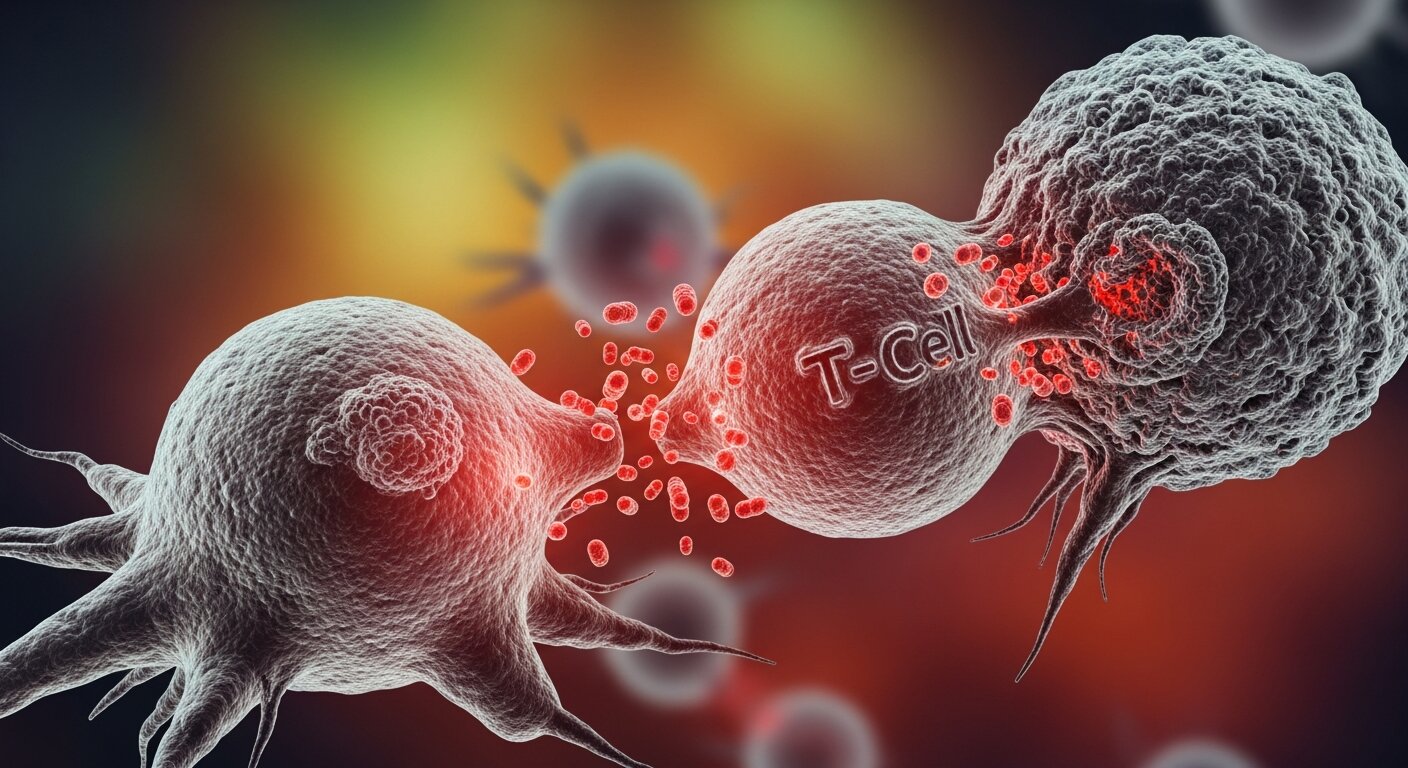
Your immune system defends your body against illness every single day. Now, medical science uses that exact same power to fight complex diseases. Immunotherapy for Cancer represents a massive breakthrough in modern medicine, fundamentally changing how we approach and treat malignant cells.
This comprehensive guide breaks down everything you need to know about Immunotherapy for Cancer. We explore the specific types of treatments available, the profound benefits they offer, and the potential side effects you might encounter. You will also discover expert insights and common mistakes to avoid during your treatment journey.
Understanding Immunotherapy for Cancer
Immunotherapy for Cancer is a biological therapy that empowers your own immune system to identify, target, and eliminate cancer cells. Normally, your immune system can detect and destroy abnormal cells. However, cancer cells are notoriously deceptive. They undergo genetic changes that allow them to hide from immune cells, or they produce proteins that actively turn off immune responses.
Immunotherapy for Cancer works by unmasking these hidden threats. It either stimulates the natural immune defenses to work harder and smarter or provides the body with lab-made immune system components to help fight the disease. Unlike traditional treatments that directly attack tumors (often harming healthy cells in the process), this approach trains your body to do the heavy lifting. This shift from a broad-spectrum attack to a highly personalized, strategic intervention has revolutionized oncology.
Types of Immunotherapy for Cancer
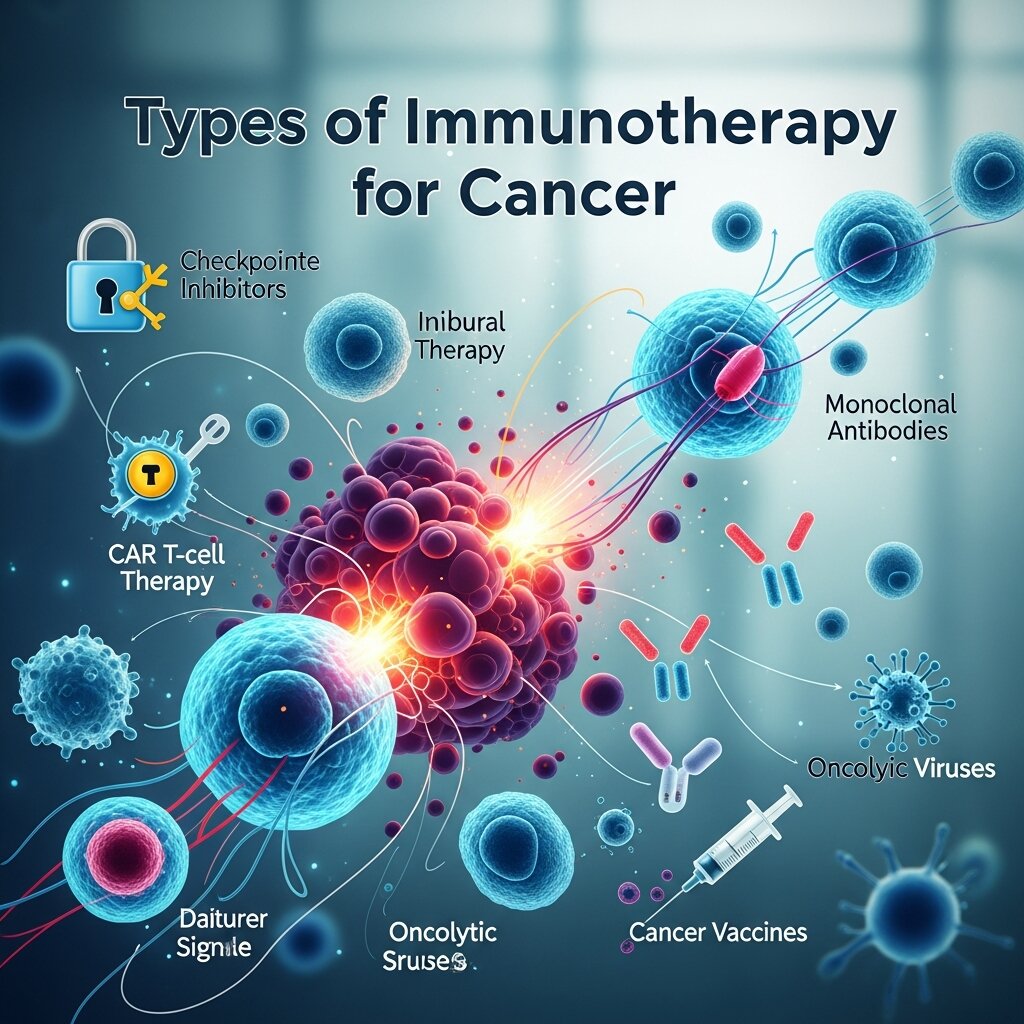
There is no single approach to immune-based treatments. Scientists have developed several distinct types of Immunotherapy for Cancer, each utilizing a different mechanism to halt the spread of the disease.
Immune Checkpoint Inhibitors
Your immune system relies on “checkpoints” to prevent it from becoming overactive and attacking healthy tissues. Cancer cells often exploit these checkpoints to avoid detection. Immune checkpoint inhibitors are drugs that block these proteins, effectively taking the brakes off your immune system. By releasing this brake, your T-cells can recognize and aggressively attack the cancer. Drugs targeting PD-1, PD-L1, and CTLA-4 pathways are currently leading the charge in treating melanoma, lung cancer, and other malignancies.
T-Cell Transfer Therapy (CAR-T)
T-cell transfer therapy, often referred to as CAR-T cell therapy, is a highly personalized form of Immunotherapy for Cancer. Doctors extract T-cells directly from your blood. In a laboratory, scientists genetically engineer these cells to produce special receptors called chimeric antigen receptors (CARs). These supercharged cells are multiplied by the millions and infused back into your bloodstream. Once inside, they hunt down and destroy cancer cells with remarkable precision. This therapy has shown incredible success in treating specific blood cancers like leukemia and lymphoma.
Monoclonal Antibodies
Monoclonal antibodies are synthetic, lab-created immune system proteins designed to bind to specific targets on cancer cells. Once they attach to the malignant cells, they act as a beacon, marking the cells so the immune system can easily locate and destroy them. Some monoclonal antibodies also disrupt the cancer cell’s growth signals or deliver targeted radiation and chemotherapy directly to the tumor, minimizing damage to surrounding healthy tissue.
Treatment Vaccines
When you think of vaccines, you likely think of prevention. However, cancer treatment vaccines work differently. These vaccines are administered after a patient already has cancer. They boost the immune system’s response to specific cancer cells by introducing harmless versions of cancer-specific antigens into the body. This trains the immune system to recognize and attack the active cancer cells.
Immune System Modulators
Immune system modulators enhance the body’s immune response against cancer on a broader scale. These include cytokines, such as interleukins and interferons, which act as chemical messengers. They stimulate white blood cells to grow, divide, and attack tumors more aggressively. Modulators can be used alone or in combination with other forms of Immunotherapy for Cancer to amplify the overall treatment effect.
Oncolytic Virus Therapy
Oncolytic virus therapy uses genetically modified viruses to infect and destroy cancer cells. The doctor injects the virus directly into the tumor. The virus enters the cancer cells and replicates until the cells burst and die. As the cancer cells rupture, they release antigens. This process triggers the immune system to hunt down any remaining cancer cells throughout the body.
The Benefits of Immunotherapy for Cancer
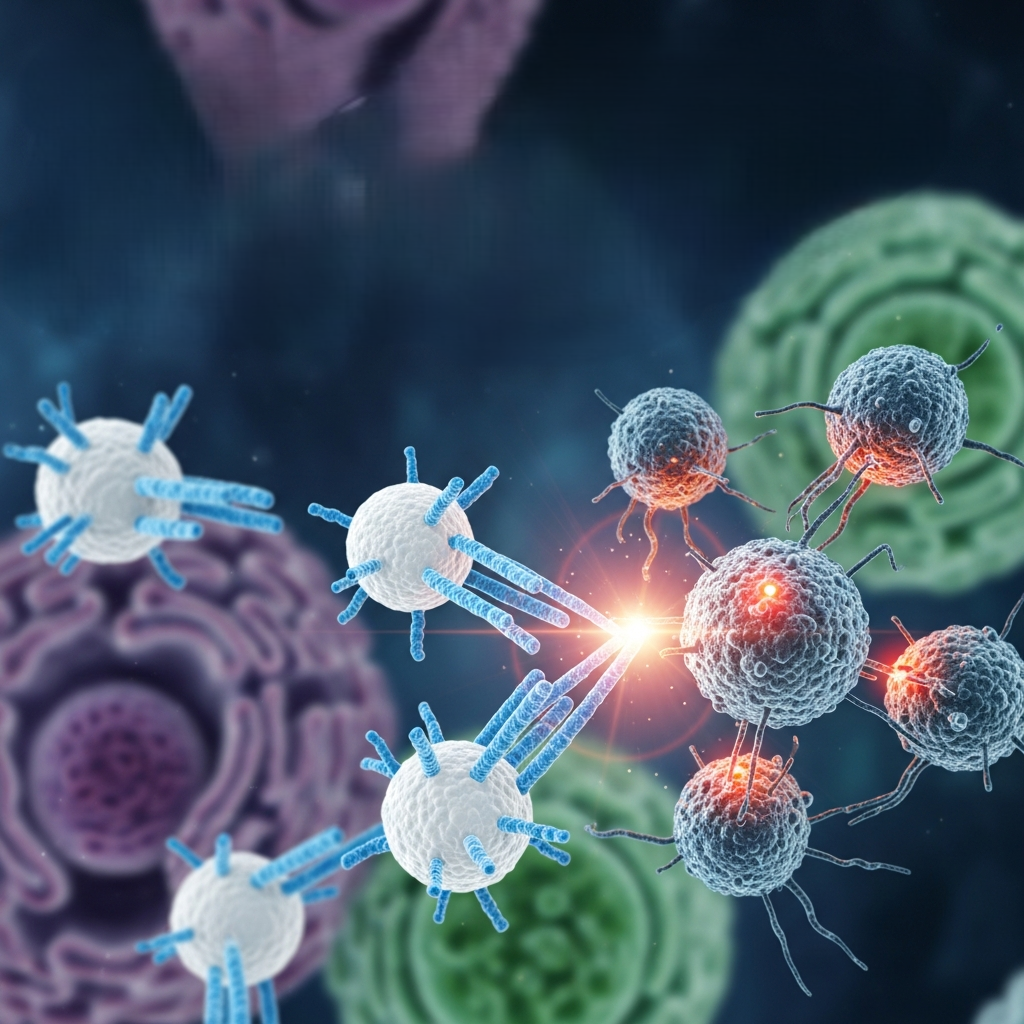
The rapid adoption of Immunotherapy for Cancer is driven by its remarkable advantages over traditional treatments like standard chemotherapy and radiation.
Highly Targeted Treatment
One of the most significant benefits of Immunotherapy for Cancer is its precision. Because it trains the immune system to recognize specific cancer antigens, it targets malignant cells while largely sparing healthy, normal cells. This targeted approach is a massive leap forward from older therapies that impact all rapidly dividing cells in the body.
Long-Lasting Protection and Immune Memory
Your immune system has a memory. Just as it remembers how to fight off a specific virus years after exposure, it can remember what cancer cells look like. Immunotherapy for Cancer can create a durable, long-lasting response. Even after treatment concludes, the trained immune cells continue to patrol the body, seeking out and destroying any returning cancer cells. This “immune memory” is responsible for the long-term remission seen in many patients.
Fewer Damage to Healthy Cells
Because Immunotherapy for Cancer focuses its attack on the disease rather than healthy tissue, patients often experience a different, and sometimes more tolerable, side effect profile compared to conventional chemotherapy. While it is not without side effects, the avoidance of widespread cellular toxicity preserves the patient’s overall strength and vitality during treatment.
Effectiveness Across Multiple Cancers
Initially used for a narrow range of diseases, Immunotherapy for Cancer is now an approved treatment for dozens of malignancies. It has proven highly effective against historically difficult-to-treat cancers, including advanced melanoma, non-small cell lung cancer, kidney cancer, and bladder cancer. As research continues, the list of cancers that respond to this therapy grows every year.
Synergy with Other Treatments
Immunotherapy for Cancer works exceptionally well when combined with other modalities. Doctors frequently pair it with chemotherapy, targeted therapy, or surgery to achieve the best possible outcomes. For example, chemotherapy can sometimes break open cancer cells, releasing antigens that make it easier for the immunotherapy to recognize the threat.
|
Feature |
Traditional Chemotherapy |
Immunotherapy for Cancer |
|---|---|---|
|
Primary Target |
All rapidly dividing cells |
The immune system / specific antigens |
|
Healthy Cell Damage |
High |
Low to Moderate |
|
Treatment Duration |
Defined cycles |
Can vary; sometimes long-term |
|
Long-term Memory |
None |
High (Immune memory) |
Side Effects of Immunotherapy for Cancer

While Immunotherapy for Cancer offers incredible benefits, manipulating the immune system carries specific risks. When the immune system is hyper-activated to fight cancer, it can sometimes mistakenly attack healthy organs and tissues.
Common and Mild Reactions
Most patients will experience some mild to moderate side effects. Because many immunotherapies are administered intravenously, infusion-related reactions are common. These can include:
- Fatigue and general weakness
- Skin rashes, itching, or redness
- Fever and chills
- Nausea, diarrhea, or digestive upset
- Muscle and joint aches
Immune-Related Adverse Events (irAEs)
The more serious side effects of Immunotherapy for Cancer are known as immune-related adverse events (irAEs). These occur when the stimulated immune system causes inflammation in healthy organs. Depending on which organ is affected, irAEs can be severe or even life-threatening.
- Pneumonitis: Inflammation of the lungs causing shortness of breath and chest pain.
- Colitis: Inflammation of the colon leading to severe abdominal pain and diarrhea.
- Hepatitis: Liver inflammation resulting in jaundice, dark urine, and severe nausea.
- Endocrinopathies: Disruption of hormone-producing glands, such as the thyroid or pituitary gland, which can cause extreme fatigue, weight changes, and heart palpitations.
Managing Side Effects Effectively
The key to safely navigating Immunotherapy for Cancer is vigilant monitoring. If you develop an immune-related adverse event, your care team may pause your treatment and prescribe corticosteroids to calm the immune system. In most cases, catching these side effects early allows doctors to reverse the inflammation and safely resume treatment. Never ignore a new symptom, no matter how minor it seems.
Common Mistakes to Avoid
Navigating a cancer diagnosis is overwhelming, but avoiding certain pitfalls can significantly improve your treatment experience and overall outcomes.
Skipping Crucial Biomarker Testing
Not every tumor responds to Immunotherapy for Cancer. Efficacy often depends on specific genetic markers within the tumor. A major mistake is moving forward without comprehensive genomic profiling for tumors. Testing for biomarkers like PD-L1 expression, microsatellite instability (MSI-H), or tumor mutational burden (TMB) dictates whether these drugs will work for you. Always ask your oncologist if your tumor has been fully genetically sequenced.
Ignoring Early Signs of Side Effects
With chemotherapy, patients often expect to feel unwell and try to push through the pain. With Immunotherapy for Cancer, this mindset is dangerous. Because side effects are caused by an overactive immune system attacking healthy organs, a mild cough or slight diarrhea can quickly escalate into severe pneumonitis or colitis. Report every single change in how you feel to your doctor immediately.
Overlooking Clinical Trials
Many patients view clinical oncology trials as a last resort when all other options have failed. This is a profound misconception. Clinical trials often provide access to the newest, most advanced forms of Immunotherapy for Cancer years before they are available to the general public. Discussing trial eligibility early in your diagnosis can open doors to highly effective, cutting-edge combination therapies.
Pro Tips and Expert Insights
To maximize the effectiveness of Immunotherapy for Cancer, oncology experts recommend taking a proactive, strategic approach to your care plan.
Prioritize Genomic Profiling
Precision medicine relies heavily on data. Experts strongly advise that patients advocate for next-generation sequencing of their tumor tissue. Understanding the exact DNA mutations driving your disease allows your doctor to select the specific Immunotherapy for Cancer that matches your unique biological profile. Do not settle for standard testing; ask for comprehensive molecular profiling.
Explore Combination Therapies
The future of Immunotherapy for Cancer lies in combination treatments. Medical oncologists are increasingly combining checkpoint inhibitors with other drugs, such as PARP inhibitors or anti-angiogenic agents, to overcome tumor resistance. If a single immunotherapy drug is not producing the desired results, ask your care team about synergistic combinations that can alter the tumor microenvironment and boost immune cell penetration.
Maintain Open Communication with Your Care Team
Your relationship with your oncology team is a critical component of your success. Keep a daily journal of your symptoms, energy levels, and any side effects. Bring this log to every appointment. The more granular data you provide to your doctors, the better they can adjust your dosages, manage your side effects, and optimize your Immunotherapy for Cancer regimen.
Conclusion
Immunotherapy for Cancer has transformed the landscape of oncology, offering a highly targeted approach that leverages your body’s natural defenses to achieve long-lasting remission. While navigating the potential side effects requires vigilance, the life-extending benefits make it a cornerstone of modern medicine. Speak with your oncologist today to determine if this revolutionary treatment aligns with your specific cancer profile.
FAQs
1. What exactly is Immunotherapy for Cancer?
Immunotherapy for Cancer is a type of biological therapy that helps your immune system fight cancer. Instead of targeting the tumor directly with toxic chemicals, it boosts or trains your natural immune cells to recognize, attack, and destroy malignant cells.
2. How long does immunotherapy take to work?
Unlike chemotherapy, which can shrink tumors quickly, Immunotherapy for Cancer often takes longer to show visible results. It can take several weeks or even months for the immune system to build up a strong enough response to begin destroying the cancer cells.
3. Does immunotherapy cure cancer completely?
While it is not a guaranteed cure for everyone, Immunotherapy for Cancer has led to long-term, durable remissions in many patients, even those with advanced-stage diseases. Because it creates immune memory, it offers the potential for long-term control that closely resembles a cure.
4. Is immunotherapy worse than chemotherapy?
Not necessarily. They have completely different side effect profiles. Chemotherapy causes widespread damage to rapidly dividing cells, leading to hair loss and severe nausea. Immunotherapy for Cancer typically causes immune-related inflammation, which can be mild but requires careful monitoring to prevent severe organ damage.
5. Who is a candidate for immunotherapy?
Candidates are typically identified through biomarker testing. If your tumor expresses certain proteins (like PD-L1) or has high genetic instability (MSI-H), you are more likely to respond well. It is currently approved for dozens of cancers, including melanoma, lung, kidney, and bladder cancers.
6. How is immunotherapy administered?
Most Immunotherapy for Cancer is administered intravenously (IV) directly into a vein at a clinic or hospital. Depending on the specific type of cancer, it can also be given orally as a pill, applied topically as a cream (for very early skin cancers), or injected directly into the bladder or tumor.
7. Can you lose your hair with immunotherapy?
Hair loss is very rare with Immunotherapy for Cancer. Unlike traditional chemotherapy, which attacks hair follicles because they are rapidly dividing cells, immunotherapy specifically targets the immune response. If hair loss occurs, it is usually mild or related to a combination therapy that includes chemotherapy.
8. What cancers respond best to immunotherapy?
Historically, cancers with a high number of genetic mutations respond best because they look highly abnormal to the immune system. Melanoma, non-small cell lung cancer, Hodgkin lymphoma, and cancers with the MSI-H biomarker have shown the most dramatic and successful responses to Immunotherapy for Cancer.
9. Can I receive immunotherapy and chemotherapy together?
Yes. Combining these treatments is becoming a very common standard of care. Chemotherapy can break open cancer cells and release tumor antigens. This process acts like a flare, making the cancer highly visible to the immune system just as the Immunotherapy for Cancer is administered.
10. How much does immunotherapy cost?
Immunotherapy for Cancer is highly advanced and involves complex manufacturing, making it very expensive. Costs can range from tens to hundreds of thousands of dollars per year. However, most health insurance plans, including Medicare, cover FDA-approved immunotherapies. Financial assistance programs are also widely available through pharmaceutical companies and non-profit organizations.
